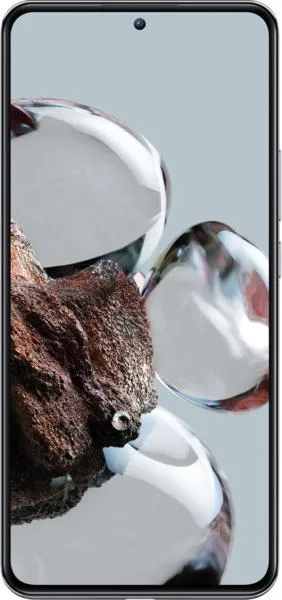
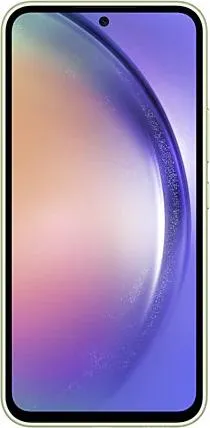
Xiaomi 12T vs. Samsung Galaxy A54: A Comparative Deep Dive
Let's dissect the Xiaomi 12T and Samsung Galaxy A54, two compelling mid-range contenders, to see which phone reigns supreme. We'll go beyond the spec sheet, translating technical jargon into real-world implications for you.
1. Specifications Breakdown
| Feature | Xiaomi 12T | Samsung Galaxy A54 | Real-World Implications |
|---|---|---|---|
| Design | |||
| Dimensions (mm) | 163.1 x 75.9 x 8.6 | 158.2 x 76.7 x 8.2 | A54 slightly smaller, potentially more pocketable. |
| Weight (g) | 202 | 202 | Virtually identical weight; both feel substantial in hand. |
| Display | |||
| Size (inches) | 6.67 | 6.4 | 12T offers a larger canvas for media consumption. |
| Resolution | 1220 x 2712 | 1080 x 2340 | 12T boasts sharper visuals due to higher pixel density (446 ppi vs. 403 ppi). |
| Refresh Rate (Hz) | 120 | 120 | Both offer smooth scrolling and animations. |
| Panel Type | AMOLED | Super AMOLED | Expect vibrant colors and deep blacks from both. Super AMOLED might offer slightly better outdoor visibility |
| Performance | |||
| Chipset | Mediatek Dimensity 8100 Ultra | Exynos 1380 | Both are capable mid-range chipsets, but benchmarks suggest Dimensity 8100 Ultra holds a slight edge in raw power. |
| CPU | Octa-core (4x2.85 GHz A78 & 4x2.0 GHz A55) | Octa-core (4x2.4 GHz A78 & 4x2.0 GHz A55) | 12T likely offers a performance advantage in demanding tasks due to higher clock speeds on performance cores. |
| GPU | Mali-G610 MC6 | Mali-G68 MP5 | Both GPUs should handle gaming well, but the G610 MC6 may have a slight edge. |
| RAM | 8GB | 8GB | Both offer ample RAM for multitasking. |
| Camera | |||
| Main Sensor | 108MP Samsung HM6 | 50MP Sony IMX766 | While 12T has higher resolution, IMX766 is known for excellent image quality. Real-world photo comparisons are crucial. |
| Video | 4K@30fps with HDR | 4K@30fps with EIS | Both capable of 4K video recording; EIS (Electronic Image Stabilization) on A54 might be beneficial for shaky footage. |
| Battery Life | |||
| Capacity (mAh) | 5000 | 5000 | Expect similar battery life from both devices, though real-world usage will vary. |
2. Key Insights
- Performance: The Xiaomi 12T, with its Dimensity 8100 Ultra, likely provides a noticeable performance boost for demanding tasks and gaming compared to the Galaxy A54.
- Display: The Xiaomi 12T's higher resolution display delivers sharper visuals, particularly beneficial for media consumption. However, the Galaxy A54 might be better in direct sunlight.
- Camera: The megapixel count favors the 12T, but the A54 utilizes a well-regarded Sony IMX766 sensor known for its low-light performance and dynamic range. Image quality will depend on processing and real-world testing.
- Software: The A54 ships with a newer version of Android (13) and is promised longer software updates, potentially extending its usable lifespan. Xiaomi's MIUI interface, though feature-rich, can be polarizing.
3. User Profiles and Recommendations
- Xiaomi 12T: Suited for users prioritizing performance, a larger, sharper display, and don't mind MIUI. Ideal for gamers, power users, and media enthusiasts.
- Samsung Galaxy A54: Best for users who value software updates, consistent camera performance, a more compact form factor, and prefer a cleaner Android experience. Excellent for everyday users, social media enthusiasts, and those seeking long-term device viability.
4. Buying Decision Framework
- What are your performance needs? Heavy gaming or multitasking? Lean towards the 12T. Primarily everyday use? The A54 is sufficient.
- How important is camera quality? Both are competent, but real-world photo comparisons are essential. Research sample images to determine which aesthetic you prefer.
- How much do you value software updates and longevity? The A54 has a clear advantage here.
My Choice: The Samsung Galaxy A54
While the Xiaomi 12T boasts a performance edge and sharper screen, I'd choose the Samsung Galaxy A54. The promise of longer software updates, coupled with the reputation of the Sony IMX766 camera sensor and Samsung's refined One UI software experience, outweighs the 12T's advantages for me. I prioritize long-term usability and a clean, consistent software experience, and the A54 delivers in those areas. Plus, the slightly smaller size is more comfortable for everyday carry. The difference in raw performance wouldn't significantly impact my typical usage, and the A54's overall package feels more well-rounded and future-proof.
