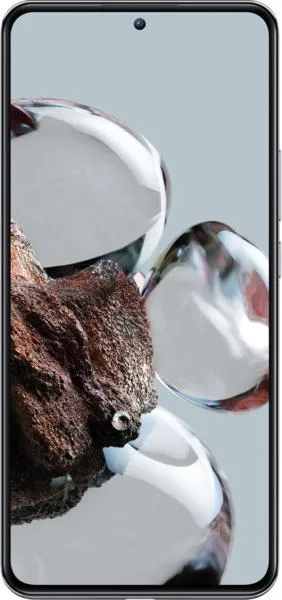
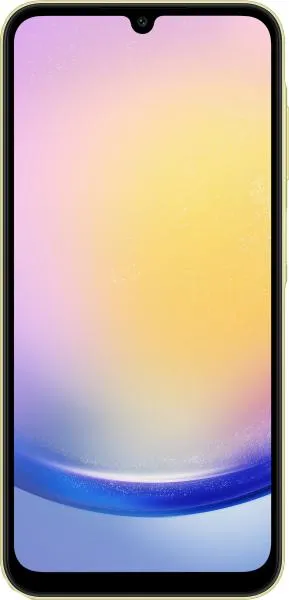
Xiaomi 12T vs. Samsung Galaxy A15: A Deep Dive for the Discerning Smartphone User
Hello fellow tech explorers! Today, we're dissecting two intriguing contenders in the mid-range smartphone arena: the Xiaomi 12T and the Samsung Galaxy A15. Let's cut through the marketing fluff and uncover what these devices truly offer.
1. Specifications Breakdown
| Feature | Xiaomi 12T | Samsung Galaxy A15 | Real-World Implications |
|---|---|---|---|
| Design | |||
| Dimensions (mm) | 163.1 x 75.9 x 8.6 | 160.1 x 76.8 x 8.4 | Xiaomi 12T is slightly larger. Negligible difference in hand feel for most users. |
| Weight (g) | 202 | 200 | Virtually identical weight; both feel substantial in hand. |
| Display | |||
| Size (inches) | 6.67 | 6.5 | Xiaomi 12T offers a slightly larger screen for more immersive media consumption. |
| Resolution (px) | 1220 x 2712 | 1080 x 2340 | Xiaomi 12T boasts significantly higher resolution, resulting in sharper text and images. |
| Refresh Rate (Hz) | 120 | 90 | Xiaomi 12T's 120Hz delivers smoother scrolling and animations, especially noticeable in gaming. |
| Display Type | AMOLED, HDR10+ | Super AMOLED | Both offer vibrant colors and deep blacks. Xiaomi 12T's HDR10+ support enhances video quality. |
| Performance | |||
| Chipset | Mediatek Dimensity 8100 Ultra (5 nm) | Mediatek Helio G99 (6 nm) | Xiaomi 12T's processor is significantly more powerful, enabling smoother multitasking and gaming. |
| CPU | Octa-core (4x2.85 GHz Cortex-A78 & 4x2.0 GHz A55) | Octa-core (2x2.2 GHz Cortex-A76 & 6x2.0 GHz A55) | Xiaomi 12T's CPU architecture provides a performance edge in demanding tasks. |
| GPU | Mali-G610 MC6 | Mali-G57 MC2 | Xiaomi 12T's GPU delivers superior graphics performance for gaming and visually intensive apps. |
| RAM (GB) | 8 | 4/6/8 (Variant Dependent) | Xiaomi 12T's base model offers 8GB RAM, ensuring smooth multitasking. A15 RAM varies. |
| Camera | |||
| Main Camera (MP) | 108 | 50 | Xiaomi 12T's higher resolution main camera potentially captures more detail. |
| Video | 4K@30fps with HDR | 1080p@30fps | Xiaomi 12T offers superior video recording capabilities with 4K resolution and HDR support. |
| Battery Life | |||
| Capacity (mAh) | 5000 | 5000 | Both phones have the same battery capacity, but real-world usage will vary based on other factors. |
2. Key Insights
The Xiaomi 12T is the clear performance champion. Its powerful Dimensity 8100 Ultra chipset, coupled with a high refresh rate display, delivers a noticeably smoother and more responsive user experience. The higher resolution display and superior camera system further solidify its position as the more premium device.
The Samsung Galaxy A15, while less powerful, targets value-conscious users. It offers a respectable Super AMOLED display and a long-lasting battery. The lower resolution and less powerful processor are trade-offs for its more affordable price point.
3. User Profiles and Recommendations
Xiaomi 12T: Ideal for users who prioritize performance, a premium display, and advanced camera features. Gamers, content creators, and multitaskers will appreciate its capabilities.
Samsung Galaxy A15: Suitable for casual users who primarily use their phones for basic tasks like browsing, social media, and communication. Its affordability makes it attractive for budget-conscious buyers.
4. Buying Decision Framework
- What is your budget? The A15 is significantly more affordable.
- Do you prioritize performance and a premium display? If yes, the Xiaomi 12T is the better choice.
- Is battery life your primary concern? Real-world battery tests are needed to determine a clear winner, but both have large capacities.
My Choice: I would choose the Xiaomi 12T. As a tech enthusiast and someone who demands a smooth and responsive experience, the 12T's superior performance, stunning display, and advanced camera capabilities are compelling. The price difference is justifiable for the significant upgrade in overall user experience. While the A15 offers excellent value, the 12T's advantages align better with my personal needs and preferences.
