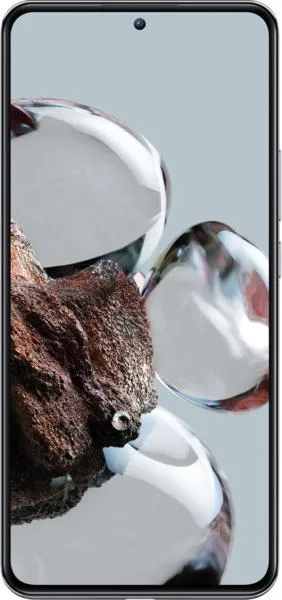
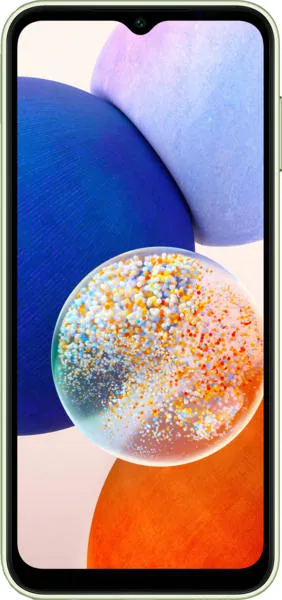
Xiaomi 12T vs. Samsung Galaxy A14: A Deep Dive
Let's dissect the Xiaomi 12T and Samsung Galaxy A14, two phones vying for your attention in the mid-price range. We'll go beyond the spec sheets to uncover what these numbers really mean for your daily life.
1. Specifications Breakdown
| Feature | Xiaomi 12T | Samsung Galaxy A14 | Real-World Implications |
|---|---|---|---|
| Design | |||
| Dimensions (mm) | 163.1 x 75.9 x 8.6 | 167.7 x 78 x 9.1 | 12T is slightly more compact. A14 might feel bulkier in hand. |
| Weight (g) | 202 | 201 | Negligible difference in weight. |
| Display | |||
| Type | AMOLED, 120Hz | PLS LCD | 12T offers vibrant colors, deeper blacks, and smoother scrolling thanks to AMOLED and 120Hz. |
| Resolution | 1220 x 2712 | 1080 x 2408 | 12T boasts sharper visuals due to higher resolution and pixel density. |
| PPI | 446 | 400 | Noticeably sharper text and images on the 12T. |
| Performance | |||
| Chipset | Dimensity 8100 Ultra (5nm) | Helio G80 (12nm) | 12T significantly outperforms the A14 in speed, multitasking, and gaming. |
| CPU | Octa-core (2.85 GHz) | Octa-core (2.0 GHz) | 12T's more powerful CPU handles demanding tasks with ease. |
| GPU | Mali-G610 MC6 | Mali-G52 MC2 | Expect a much smoother gaming experience on the 12T. |
| RAM | 8GB | 4GB/6GB | 12T offers more RAM for seamless multitasking and app switching. |
| Camera | |||
| Main Camera | 108MP, f/1.7 | 50MP, f/1.8 | 12T's higher megapixel count and superior sensor likely result in better image quality. |
| Video Recording | 4K@30fps, HDR | 1080p@30fps | 12T captures higher resolution video with HDR for improved dynamic range. |
| Battery Life | |||
| Capacity | 5000 mAh | 5000 mAh | Similar battery capacity, but real-world usage will vary due to chipset efficiency. |
2. Key Insights
The Xiaomi 12T is a clear winner in terms of performance, display, and overall camera capabilities. Its powerful Dimensity 8100 Ultra chipset, coupled with 8GB of RAM and a stunning 120Hz AMOLED display, delivers a premium user experience. The 108MP camera promises detailed photos and videos.
The Samsung Galaxy A14, while offering a large display and 5G connectivity, falls behind in processing power and display quality. It's a more budget-conscious option, suitable for basic tasks like browsing, social media, and casual photography.
3. User Profiles and Recommendations
Xiaomi 12T: Ideal for power users, gamers, photography enthusiasts, and anyone who values a smooth and responsive experience. The vibrant display and powerful hardware make it a multimedia powerhouse.
Samsung Galaxy A14: Best suited for budget-conscious users who prioritize basic functionality, long battery life, and 5G connectivity. Students, casual users, and those primarily using their phones for communication will find it adequate.
4. Buying Decision Framework
- What's your budget? The A14 is significantly cheaper. If price is a major constraint, it's the more affordable option.
- What do you primarily use your phone for? For demanding tasks and entertainment, the 12T excels. For basic communication and browsing, the A14 suffices.
- How important is display quality and performance? The 12T's AMOLED display and powerful processor offer a vastly superior experience.
My Choice: As Alex Griffin, I'd choose the Xiaomi 12T. While pricier, the significant leap in performance, the gorgeous AMOLED display, and the superior camera system are crucial for my workflow and personal use. I value a smooth, responsive experience, and the 12T delivers that in spades. The investment in the better chipset will pay dividends in the long run with sustained performance and longevity. The A14, while a decent budget option, simply doesn't meet my needs for a device that can keep up with my fast-paced, tech-centric lifestyle. I often use my phone for photography and video editing, tasks that the 12T is far better equipped to handle.
