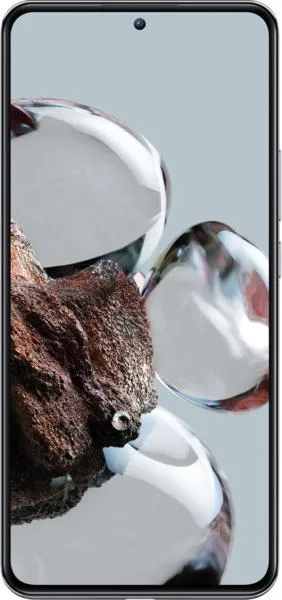
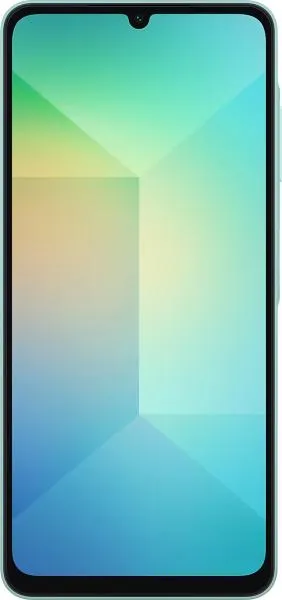
Xiaomi 12T vs. Samsung Galaxy A06: A Deep Dive
Let's dissect the Xiaomi 12T and Samsung Galaxy A06, two phones targeting different segments of the market. We'll go beyond the spec sheet to understand what these differences truly mean for you.
1. Specifications Breakdown
| Feature | Xiaomi 12T | Samsung Galaxy A06 | Real-World Implications |
|---|---|---|---|
| Design | |||
| Dimensions (mm) | 163.1 x 75.9 x 8.6 | 167.3 x 77.3 x 8 | 12T is slightly more compact. A06 might feel bulkier. |
| Weight (g) | 202 | 189 | Negligible difference in weight for most users. |
| Build Materials | Glass front, plastic frame | Plastic frame | 12T offers a more premium feel. A06 prioritizes durability and cost-effectiveness. |
| Display | |||
| Type | AMOLED, 120Hz, HDR10+ | PLS LCD | 12T boasts vibrant colors, smoother scrolling, and better contrast, especially in sunlight. |
| Size | 6.67" | 6.7" | Virtually identical screen sizes. |
| Resolution | 1220 x 2712 (446 ppi) | 720 x 1600 (262 ppi) | 12T offers significantly sharper visuals due to higher resolution. |
| Performance | |||
| Chipset | MediaTek Dimensity 8100 Ultra (5 nm) | MediaTek Helio G85 (12 nm) | 12T delivers significantly faster performance, smoother multitasking, and better gaming capabilities. |
| CPU | Octa-core (4x2.85 GHz & 4x2.0 GHz) | Octa-core (2x2.0 GHz & 6x1.8 GHz) | 12T's CPU is more powerful, leading to quicker app launches and responsiveness. |
| RAM | 8GB | 4/6GB | 12T's larger RAM enables better multitasking and smoother performance with demanding applications. |
| Camera | |||
| Main Camera | 108MP, f/1.7, OIS | 50MP, f/1.8 | 12T offers higher resolution, optical image stabilization (OIS) for sharper images and videos. |
| Video Recording | 4K@30fps with HDR | 1080p@30/60fps | 12T provides higher resolution video recording with HDR. |
| Battery Life | |||
| Capacity | 5000 mAh | 5000 mAh | Similar battery capacities, but real-world usage will vary due to different chipsets and displays. |
2. Key Insights
The Xiaomi 12T is a clear powerhouse, excelling in performance, display quality, and camera capabilities. The Dimensity 8100 Ultra chip, coupled with 8GB of RAM, ensures a fluid user experience even with demanding tasks. The 120Hz AMOLED display is a visual treat, offering vibrant colors and smooth scrolling. The 108MP camera with OIS allows for detailed photos and stable videos.
The Samsung Galaxy A06, on the other hand, is a budget-friendly option prioritizing affordability. While its performance is respectable for everyday tasks, it won't handle demanding games or heavy multitasking as well as the 12T. The PLS LCD screen is decent but lacks the vibrancy and responsiveness of the 12T's AMOLED display. The camera system is functional but lacks the advanced features and image quality of the 12T.
3. User Profiles and Recommendations
Xiaomi 12T: Ideal for power users, gamers, photography enthusiasts, and anyone who values a premium experience with top-tier performance and a stunning display.
Samsung Galaxy A06: Suitable for budget-conscious users who prioritize basic functionality, reliability, and long battery life for everyday tasks like calling, texting, browsing, and social media.
4. Buying Decision Framework
- What is your budget? The A06 is significantly cheaper, making it a strong contender for budget-conscious buyers.
- What are your primary use cases? For demanding tasks and multimedia consumption, the 12T excels. For basic communication and light usage, the A06 suffices.
- Do you prioritize performance and display quality? The 12T significantly outperforms the A06 in these areas.
Scenario-Based Recommendations:
- Student on a tight budget: Samsung Galaxy A06
- Professional needing a powerful device: Xiaomi 12T
- Casual user prioritizing long battery life: Either device could be suitable, depending on other preferences.
My Choice: Xiaomi 12T
As a tech journalist who appreciates cutting-edge technology and a fluid user experience, I'd choose the Xiaomi 12T. The superior performance, stunning AMOLED display, and advanced camera system make it a compelling package. While the price is higher, the significant jump in quality and capabilities justifies the investment for my needs. The 120Hz refresh rate alone drastically improves the day-to-day user experience, and the powerful chipset ensures I can multitask efficiently and enjoy demanding mobile games without compromise. The A06 is a solid budget option, but the 12T offers a noticeable upgrade in almost every aspect.
