
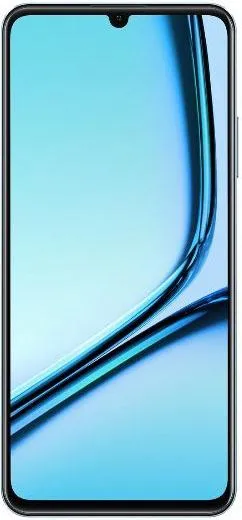
Xiaomi 12T vs. Realme Note 50: A Comparative Deep Dive
Let's dissect the Xiaomi 12T and Realme Note 50, two smartphones vying for your attention in different price segments. I'll break down their specs, analyze their real-world performance, and help you decide which phone best fits your needs.
1. Specifications Breakdown
| Feature | Xiaomi 12T | Realme Note 50 | Real-World Implications |
|---|---|---|---|
| Design | |||
| Dimensions (mm) | 163.1 x 75.9 x 8.6 | 167.2 x 76.7 x 8 | 12T is slightly more compact. |
| Weight (g) | 202 | 186 | Note 50 feels lighter in hand. |
| Build Materials | Glass front, plastic frame | Plastic back, plastic frame | 12T offers a more premium feel. |
| Display | |||
| Type | AMOLED, 68B colors, 120Hz | IPS LCD, 90Hz | 12T boasts vibrant colors, deeper blacks, and smoother scrolling. Note 50's LCD is less impressive. |
| Size | 6.67" | 6.74" | Negligible size difference; both offer ample screen real estate. |
| Resolution | 1220 x 2712 pixels (446 ppi) | 720 x 1600 pixels (260 ppi) | 12T's significantly sharper display provides crisper text and images. Note 50's display is noticeably pixelated. |
| Performance | |||
| Chipset | MediaTek Dimensity 8100 Ultra (5 nm) | Unisoc Tiger T612 (12 nm) | 12T offers significantly faster processing and graphics performance, enabling smoother multitasking and gaming. |
| CPU | Octa-core (4x2.85 GHz Cortex-A78 & 4x2.0 GHz A55) | Octa-core (2x1.8 GHz Cortex-A75 & 6x1.8 GHz A55) | 12T's CPU is more powerful, handling demanding tasks with ease. Note 50 may struggle with heavy workloads. |
| RAM | 8GB | 4GB | 12T's larger RAM enables better multitasking and app switching. Note 50 might experience slowdowns with multiple apps open. |
| Camera | |||
| Main Camera | 108MP, f/1.7, OIS | 13MP, f/2.2 | 12T's higher resolution main camera with OIS captures more detailed and stable photos and videos. Note 50's Camera is Basic. |
| Video Recording | 4K@30fps with HDR | 1080p@30fps | 12T offers superior video quality with higher resolution and HDR support. |
| Battery Life | |||
| Capacity | 5000 mAh | 5000 mAh | Similar battery capacities; real-world battery life will depend on usage patterns and software optimization. |
2. Key Insights
- Performance: The Xiaomi 12T is a clear winner in terms of performance. Its Dimensity 8100 Ultra chipset and ample RAM provide a smooth and responsive user experience. The Realme Note 50, with its Unisoc Tiger T612, targets basic usage.
- Display: The 12T's AMOLED display is visually stunning with vibrant colors and a high refresh rate. The Note 50's LCD is functional but lacks the visual punch and smoothness of the 12T.
- Camera: The 12T's 108MP camera with OIS outshines the Note 50's 13MP camera in image quality and stabilization. The 12T also offers superior video recording capabilities.
- Price: The Realme Note 50 is significantly cheaper, catering to budget-conscious buyers. The Xiaomi 12T commands a higher price for its superior features and performance.
3. User Profiles and Recommendations
- Xiaomi 12T: Ideal for users who prioritize performance, a premium display, and a capable camera. Gamers, content creators, and power users will appreciate its capabilities.
- Realme Note 50: Suitable for users who primarily use their phones for basic tasks like calling, texting, browsing, and social media. Students and budget-conscious individuals might find it appealing.
4. Buying Decision Framework
- What is your budget? If price is a primary concern, the Realme Note 50 is the more affordable option.
- What do you prioritize in a smartphone? If performance, display, and camera quality are crucial, the Xiaomi 12T is the better choice.
- What is your typical usage pattern? If you are a light user, the Note 50 might suffice. For demanding tasks, the 12T is necessary.
My Choice: I would choose the Xiaomi 12T. While the Realme Note 50 offers decent value for its price, the 12T's superior performance, stunning AMOLED display, and advanced camera system are compelling. As someone who values a smooth user experience and enjoys mobile photography, the 12T aligns better with my needs. The price difference is justified by the significant jump in overall quality and capabilities. The 12T feels like a future-proof investment, capable of handling demanding tasks and providing a richer multimedia experience for years to come.
