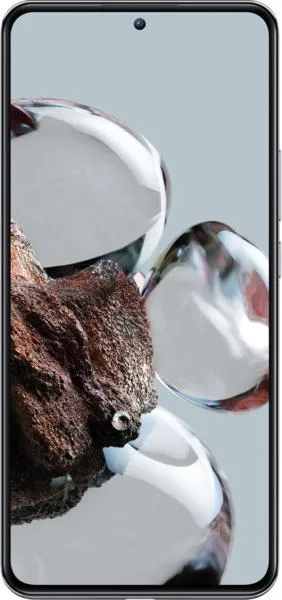
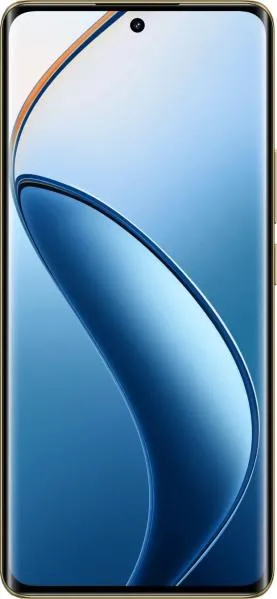
Xiaomi 12T vs. Realme 12 Pro: A Deep Dive for the Discerning Smartphone User
Hello, fellow tech enthusiasts! Alex Griffin here, ready to dissect the Xiaomi 12T and the Realme 12 Pro. We'll go beyond the spec sheet and delve into what these numbers really mean for your daily life. Let's get started!
1. Specifications Breakdown
| Feature | Xiaomi 12T | Realme 12 Pro | Real-World Implications |
|---|---|---|---|
| Design | |||
| Dimensions (mm) | 163.1 x 75.9 x 8.6 | 161.5 x 74 x 8.8 | Xiaomi 12T is slightly larger. Negligible difference in hand feel for most users. |
| Weight (g) | 202 | 190 | Realme 12 Pro is noticeably lighter, reducing hand fatigue during extended use. |
| Display | |||
| Size (inches) | 6.67 | 6.7 | Virtually identical screen real estate. |
| Resolution | 1220 x 2712 | 1080 x 2412 | Xiaomi 12T boasts significantly sharper visuals due to higher pixel density (446 ppi vs 394 ppi). |
| Refresh Rate (Hz) | 120 | 120 | Both offer smooth scrolling and animations. |
| Panel Type | AMOLED, 68B colors | AMOLED, 1B colors | Realme 12 Pro claims a wider color gamut (1B vs 68B), potentially offering more nuanced colors, but real-world difference might be subtle. |
| Performance | |||
| Chipset | Dimensity 8100 Ultra (5nm) | Snapdragon 6 Gen 1 (4nm) | Xiaomi 12T's Dimensity 8100 Ultra generally outperforms the Snapdragon 6 Gen 1 in benchmarks and demanding tasks. |
| CPU | Octa-core (4x2.85 GHz A78 & 4x2.0 GHz A55) | Octa-core (4x2.2 GHz A78 & 4x1.8 GHz A55) | Xiaomi 12T has a higher clock speed, translating to faster processing for demanding applications and multitasking. |
| GPU | Mali-G610 MC6 | Adreno 710 | Xiaomi 12T likely edges out in graphics performance. Expect smoother gaming and faster rendering on the Xiaomi. |
| RAM | 8GB | 8GB | Both offer ample RAM for smooth multitasking. |
| Camera | |||
| Main Camera | 108MP, Samsung HM6 | 50MP, Sony IMX890 | While megapixel count is lower on Realme, Sony IMX890 is known for excellent low-light performance. Real-world image quality comparison is necessary. |
| Video | 4K@30fps with HDR | 4K@30fps with EIS | Both record 4K video; Xiaomi offers HDR for potentially better dynamic range, while Realme focuses on Electronic Image Stabilization. |
| Battery Life | |||
| Capacity (mAh) | 5000 | 5000 | Similar battery capacities suggest comparable endurance, but real-world usage will vary depending on optimization. |
2. Key Insights
- Performance: The Xiaomi 12T packs a significantly more powerful processor, making it the clear winner for demanding tasks like gaming and content creation.
- Display: While both offer a smooth 120Hz AMOLED experience, the Xiaomi 12T's higher resolution provides a noticeable sharpness advantage.
- Camera: The megapixel race isn't everything. Realme's Sony IMX890 sensor often punches above its weight, especially in challenging lighting conditions. Real-world image comparisons are crucial to determine a clear winner.
- Value: Pricing plays a crucial role. Depending on regional availability and deals, the Realme 12 Pro might offer better value if camera performance is comparable and top-tier performance isn't a priority.
3. User Profiles and Recommendations
- Xiaomi 12T: Ideal for power users, gamers, and content creators who prioritize performance and a sharp display.
- Realme 12 Pro: Suitable for users who value a lightweight design, a potentially superior camera in low light, and a more affordable price point, and don't require the absolute best performance.
4. Buying Decision Framework
- What are your primary smartphone uses? Heavy gaming and multitasking favor the Xiaomi 12T. Casual usage with a focus on social media and photography might lean towards the Realme 12 Pro.
- What's your budget? The Realme 12 Pro is generally more affordable. If budget is a significant constraint, it offers a compelling package.
- How important is screen sharpness and overall performance to you? If you value crisp visuals and a lag-free experience, the Xiaomi 12T's superior display and processor are hard to beat.
My Choice: Personally, I'd lean towards the Xiaomi 12T. While the Realme 12 Pro is a solid contender, the significant performance advantage offered by the Dimensity 8100 Ultra and the sharper display of the Xiaomi 12T are compelling for my workflow. I prioritize a smooth and responsive experience, especially for multitasking and occasional mobile gaming. I'm also willing to pay a slight premium for that extra horsepower and visual clarity. However, if budget were a major constraint and camera performance proved comparable in real-world tests, the Realme 12 Pro would be a strong alternative.
