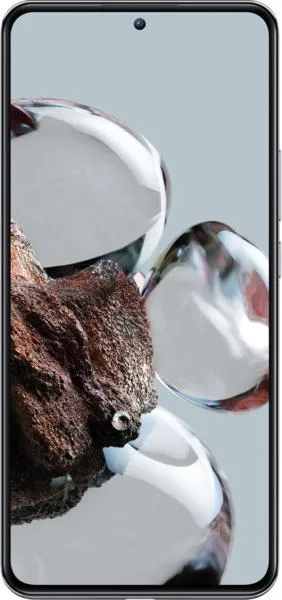
Xiaomi 12T vs. realme 8: A Tech-Savvy Showdown
The mid-range smartphone arena is fiercely competitive, with manufacturers constantly vying for user attention. Today, we'll dissect two contenders – the Xiaomi 12T and the realme 8 – to see how they stack up against each other in terms of real-world performance and value.
1. Specifications Breakdown
| Feature | Xiaomi 12T | realme 8 | Real-World Implications |
|---|---|---|---|
| Design | |||
| Dimensions (mm) | 163.1 x 75.9 x 8.6 | 162 x 75.1 x 8.7 | Xiaomi 12T is slightly taller and wider. Negligible difference in hand feel. |
| Weight (g) | 202 | 191 | Realme 8 is slightly lighter, enhancing one-handed use. |
| Display | |||
| Display Type | AMOLED, 120Hz | LTPO AMOLED, 120Hz | Both offer smooth scrolling and vibrant colors. Realme 8's LTPO panel allows for dynamic refresh rate adjustment, potentially saving battery. |
| Display Size (inches) | 6.67" | 6.78" | Realme 8 boasts a marginally larger screen. |
| Resolution | 1220 x 2712 | 1264 x 2780 | Both offer sharp visuals; realme 8 is slightly sharper due to higher pixel density. |
| Peak Brightness | 500 nits (typ), 900 nits (peak) | 1000 nits (typ), 6000 nits (peak) | Realme 8 offers significantly higher peak brightness, crucial for outdoor visibility. |
| Performance | |||
| Chipset | MediaTek Dimensity 8100 Ultra | Qualcomm Snapdragon 7+ Gen 3 | Realme 8's newer generation Snapdragon chip likely offers better performance and efficiency. |
| CPU | Octa-core (4x2.85 GHz A78 & 4x2.0 GHz A55) | Octa-core (1x2.8 GHz X4 & 4x2.6 GHz A720 & 3x1.9 GHz A520) | Realme 8's CPU architecture suggests superior single-core and multi-core performance. |
| RAM | 8GB | 12GB | Realme 8's larger RAM enables smoother multitasking and app switching. |
| Camera | |||
| Main Camera | 108MP, f/1.7 | Data Missing | Xiaomi 12T offers a high-resolution main sensor. Real-world image quality depends on processing and other factors. |
| Video | 4K@30fps, HDR | 4K@60fps, OIS, EIS | Realme 8 supports higher resolution video recording with optical and electronic image stabilization, promising smoother footage. |
| Battery Life | |||
| Capacity | 5000 mAh | 5500 mAh | Realme 8 has a larger battery capacity, potentially translating to longer usage time. Real-world battery life depends on usage patterns and software optimization. |
2. Key Insights
The Xiaomi 12T shines with its high-resolution main camera and fast 120Hz AMOLED display. It offers a solid foundation for everyday tasks, media consumption, and casual photography. However, the MediaTek Dimensity 8100 Ultra, while capable, might show its age compared to the realme 8's newer processor.
The realme 8 boasts a superior processor, significantly brighter display, more RAM, and a larger battery. Its advanced camera features, including 4K@60fps recording with stabilization, point towards a more premium multimedia experience. The Snapdragon 7+ Gen 3 positions it for excellent performance and efficiency.
3. User Profiles and Recommendations
Xiaomi 12T: Best suited for users seeking a well-rounded phone with a good display, decent performance, and a capable camera at a competitive price. Ideal for everyday tasks, social media, and casual gaming.
realme 8: A compelling option for power users and multimedia enthusiasts who prioritize performance, a vibrant display, long battery life, and advanced camera features. Suitable for demanding tasks, mobile gaming, and content creation.
4. Buying Decision Framework
- What is your budget? Both phones fall in the mid-range category, but slight price differences might exist.
- What are your primary use cases? Prioritize the Xiaomi 12T for everyday tasks and casual use; opt for the realme 8 if performance, battery life, and advanced camera features are paramount.
- How important is future-proofing? The realme 8, with its newer processor and larger RAM, is likely to offer better performance longevity.
My Choice: The realme 8
While the Xiaomi 12T is a solid contender, I'd choose the realme 8. Its superior Snapdragon 7+ Gen 3 processor, coupled with 12GB of RAM, promises a smoother and more responsive experience for demanding tasks and future-proofs the device better. The brighter LTPO display with dynamic refresh rate, larger battery, and advanced camera features, particularly the 4K@60fps video recording with stabilization, create a more compelling overall package for my needs. The slight weight difference is negligible, and I value the performance gains and future-proofing offered by the realme 8.
