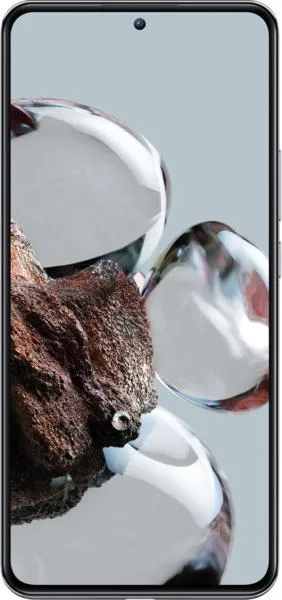
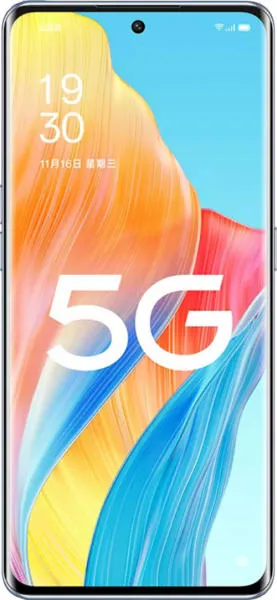
Xiaomi 12T vs. Oppo Reno8 T: A Comparative Deep Dive
Let's dissect the Xiaomi 12T and Oppo Reno8 T, two compelling mid-range contenders, to see which phone truly delivers the goods. My analysis will cut through the marketing jargon and focus on what matters most: real-world performance and how these devices fit into your life.
1. Specifications Breakdown
| Feature | Xiaomi 12T | Oppo Reno8 T | Real-World Implications |
|---|---|---|---|
| Design | |||
| Dimensions (mm) | 163.1 x 75.9 x 8.6 | 160.8 x 73.8 x 7.8 | Reno8 T is slightly smaller and thinner, potentially offering a more comfortable grip. |
| Weight (g) | 202 | 180 | Reno8 T is noticeably lighter, reducing hand fatigue during extended use. |
| Display | |||
| Size (inches) | 6.67 | 6.43 | 12T offers a larger screen for more immersive media consumption. |
| Resolution | 1220 x 2712 | 1080 x 2400 | 12T boasts a sharper display with higher pixel density (446 ppi vs 409 ppi). |
| Refresh Rate (Hz) | 120 | 90 | 12T provides smoother scrolling and animations. |
| Display Type | AMOLED, HDR10+ | AMOLED | Both offer vibrant colors and deep blacks, but 12T supports HDR10+ for enhanced visuals. |
| Performance | |||
| Chipset | Dimensity 8100 Ultra (5nm) | Helio G99 (6nm) | 12T's processor is significantly more powerful, enabling smoother multitasking and gaming. |
| CPU | Octa-core (4x2.85 GHz A78 & 4x2.0 GHz A55) | Octa-core (2x2.2 GHz A76 & 6x2.0 GHz A55) | 12T's CPU architecture offers superior performance, especially in demanding tasks. |
| GPU | Mali-G610 MC6 | Mali-G57 MC2 | 12T's GPU provides a substantial advantage in graphics-intensive applications. |
| RAM (GB) | 8 | 8 | Both offer ample RAM for smooth everyday performance. |
| Camera | |||
| Main Camera (MP) | 108MP (Samsung HM6) | 100MP (Samsung HM6) | Both feature high-resolution sensors, but image quality depends on processing. |
| Video Recording | Up to 4K@30fps with HDR | Up to 1080p@30fps | 12T offers superior video recording capabilities with 4K resolution and HDR support. |
| Battery Life | |||
| Capacity (mAh) | 5000 | 5000 | Similar battery capacities suggest comparable battery life, but real-world usage varies. |
2. Key Insights
The Xiaomi 12T is the clear performance champion, thanks to its powerful Dimensity 8100 Ultra chipset and superior GPU. This translates to a noticeably smoother and more responsive user experience, especially when gaming or running demanding apps. Its 120Hz display further enhances fluidity. The 12T also boasts better video recording capabilities.
The Oppo Reno8 T, while less powerful, offers a lighter and slightly more compact design, which some users might prefer. Its strengths lie in its sleek aesthetics and comfortable handling. It's important to note that while both phones boast 108MP main cameras, real-world image quality will depend on software processing, which isn't fully captured in the specs.
3. User Profiles and Recommendations
Xiaomi 12T: Ideal for power users, gamers, and those who prioritize a smooth and responsive experience. The larger, sharper display and superior performance make it a multimedia powerhouse.
Oppo Reno8 T: Suited for users who value a lightweight and stylish design, prioritize battery life, and primarily use their phones for everyday tasks like social media, browsing, and casual photography.
4. Buying Decision Framework
- What are your primary smartphone needs? If performance is paramount, the 12T is the winner. If style and portability matter more, consider the Reno8 T.
- What's your budget? While both are mid-range, the Reno8 T generally comes at a slightly lower price point.
- Do you prioritize a larger, sharper display or a more compact design? The 12T has the edge in display quality, while the Reno8 T is more pocketable.
My Choice: The Xiaomi 12T
If I were choosing between these two, I'd go for the Xiaomi 12T. As a tech enthusiast and someone who values a fluid user experience, the 12T's superior performance, smoother display, and better video recording capabilities are compelling. While I appreciate the Reno8 T's lighter design, the performance difference is significant enough to sway my decision. The 12T offers a more future-proof platform that can handle demanding tasks and evolving mobile experiences. For me, the investment in the 12T's superior technology justifies the potential price difference.
