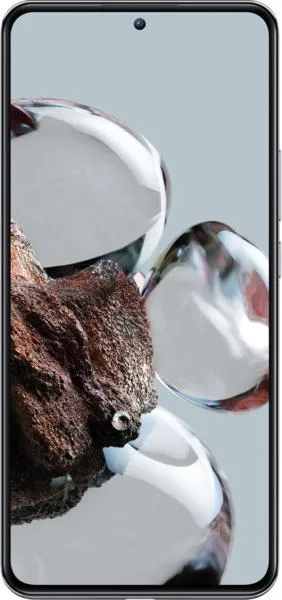
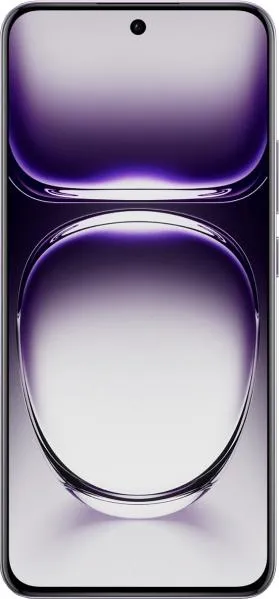
Xiaomi 12T vs. Oppo Reno12 Pro: A Deep Dive for the Discerning Smartphone User
Hello fellow tech enthusiasts! Alex Griffin here, ready to dissect the Xiaomi 12T and Oppo Reno12 Pro. We'll go beyond the spec sheets to uncover what these phones offer in the real world. Let's dive in!
1. Specifications Breakdown
| Feature | Xiaomi 12T | Oppo Reno12 Pro | Real-World Implications |
|---|---|---|---|
| Design | |||
| Dimensions (mm) | 163.1 x 75.9 x 8.6 | 161.5 x 74.8 x 7.4 | Reno12 Pro is slightly smaller and thinner, potentially more pocketable. |
| Weight (g) | 202 | 180 | Reno12 Pro feels noticeably lighter in hand. |
| Display | |||
| Size (inches) | 6.67 | 6.7 | Negligible size difference. |
| Resolution | 1220 x 2712 | 1080 x 2412 | Xiaomi 12T boasts sharper visuals due to higher pixel density. |
| Refresh Rate (Hz) | 120 | 120 | Both offer smooth scrolling and animations. |
| Display Type | AMOLED | AMOLED | Both deliver vibrant colors and deep blacks. Xiaomi 12T has a higher peak brightness (900 vs. unspecified for Reno12, but listed at 1400 in the Screen Detail section). |
| Performance | |||
| Chipset | Dimensity 8100 Ultra | Dimensity 7300 | 8100 Ultra generally offers better performance in benchmarks and demanding tasks. |
| CPU | Octa-core (4x2.85 GHz A78 & 4x2.0 GHz A55) | Octa-core (4x2.5 GHz A78 & 4x2.0 GHz A55) | Xiaomi 12T likely has a slight edge in processing power due to higher clock speeds on performance cores. |
| RAM (GB) | 8 | 12 | Reno12 Pro's larger RAM enables better multitasking and app switching. |
| Camera | |||
| Main Camera (MP) | 108 | 50 | Xiaomi 12T has a significantly higher resolution main sensor, potentially capturing more detail. However, megapixels aren't everything; real-world image quality depends on sensor size, processing, and other factors. Reno 12 has Optical Image Stabilization. |
| Front Camera (MP) | 20 | 50 | Reno 12 Pro has a much better front-facing camera. |
| Video | 4K@30fps, HDR | 4K@30fps, HDR, OIS, EIS | Both record 4K HDR video, but Reno12 Pro benefits from OIS and EIS for smoother footage. |
| Battery Life | |||
| Capacity (mAh) | 5000 | 5000 | Similar battery capacities suggest comparable endurance. Real-world battery life will depend on usage patterns and software optimization. |
2. Key Insights
- Performance: The Xiaomi 12T's Dimensity 8100 Ultra likely edges out the Reno12 Pro's Dimensity 7300 in raw performance, making it better for demanding tasks and gaming. However, the Reno12 Pro's 12GB RAM provides a significant advantage in multitasking and keeping apps open in the background.
- Display: Both phones offer excellent AMOLED displays with 120Hz refresh rates. The Xiaomi 12T boasts a sharper screen due to its higher resolution.
- Camera: The Xiaomi 12T features a 108MP main camera, but the Reno12 Pro counters with a more versatile triple-camera system including a telephoto lens and superior video stabilization (OIS+EIS).
- Design: The Reno12 Pro is slimmer and lighter, making it more comfortable for one-handed use.
3. User Profiles and Recommendations
- Xiaomi 12T: Ideal for users prioritizing performance, a sharp display, and detailed photos. Gamers, power users, and content creators would appreciate its capabilities.
- Oppo Reno12 Pro: Best suited for users who value a sleek design, smooth multitasking, stabilized video recording, and all-around camera versatility. Social media enthusiasts, content consumers, and those seeking a premium feel would find it appealing.
4. Buying Decision Framework
- What are your performance needs? Heavy gaming or demanding apps? Lean towards the Xiaomi 12T. Primarily everyday tasks and social media? The Reno12 Pro's ample RAM will suffice.
- Is camera versatility or resolution more important? Xiaomi 12T for high-resolution stills; Reno12 Pro for stabilized video and zoom capabilities.
- What's your budget? Considering the price difference (Reno 12 Pro is significantly more expensive based on limited pricing data), does the value proposition of each phone align with your needs?
My Choice: The Xiaomi 12T
For me, the Xiaomi 12T strikes the best balance. I prioritize raw performance and a crisp display, which the 12T delivers thanks to its Dimensity 8100 Ultra and higher-resolution screen. While the Reno12 Pro offers a sleeker design and more RAM, the 12T's performance advantage and likely lower price point make it a more compelling package for my usage. The superior front-facing camera on the Reno12 Pro is tempting, but not enough to sway me given my priorities. I also appreciate having expandable storage, a feature often lacking in Oppo devices. Ultimately, the Xiaomi 12T aligns better with my needs as a tech journalist who often pushes devices to their limits.
