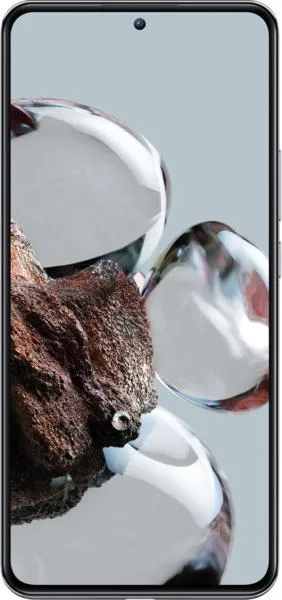
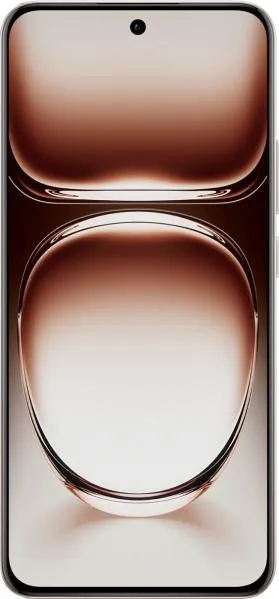
Xiaomi 12T vs. Oppo Reno12: A Deep Dive for the Discerning Smartphone User
Hello fellow tech enthusiasts! Alex Griffin here, ready to dissect the Xiaomi 12T and the Oppo Reno12. We'll go beyond the spec sheets to uncover what these phones really offer in terms of daily performance, usability, and overall value. Let's get started!
1. Specifications Breakdown
| Feature | Xiaomi 12T | Oppo Reno12 | Real-World Implications |
|---|---|---|---|
| Design | |||
| Dimensions (mm) | 163.1 x 75.9 x 8.6 | 161.4 x 74.1 x 7.6 | Reno12 is slightly smaller and noticeably thinner, potentially offering a more comfortable one-handed grip. |
| Weight (g) | 202 | 177 | Reno12 is significantly lighter, reducing hand fatigue during extended use. |
| Display | |||
| Size (inches) | 6.67 | 6.7 | Virtually identical screen real estate. |
| Resolution | 1220 x 2712 | 1080 x 2412 | Xiaomi 12T boasts a sharper display with higher pixel density, resulting in crisper text and images. |
| Refresh Rate (Hz) | 120 | 120 | Both offer smooth scrolling and fluid animations for a premium user experience. |
| Display Type | AMOLED, 68B colors | AMOLED, 1B colors | While both are AMOLED, the Xiaomi 12T's 68B color depth potentially offers more nuanced and vibrant colors. |
| Peak Brightness | 500 nits (typ), 900 nits (peak) | 1200 nits (peak) | The Reno 12's superior peak brightness ensures better visibility in direct sunlight. |
| Performance | |||
| Chipset | Dimensity 8100 Ultra (5nm) | Dimensity 7300 (4 nm) | Both are capable mid-range chipsets, but the 8100 Ultra in the Xiaomi 12T generally delivers faster performance, especially in demanding tasks and gaming. |
| CPU | Octa-core (4x2.85 GHz A78 & 4x2.0 GHz A55) | Octa-core (4x2.5 GHz A78 & 4x2.0 GHz A55) | Xiaomi 12T has a slightly higher clock speed on its performance cores, potentially translating to quicker app loading and multitasking. |
| RAM | 8GB | 12GB | Reno12 offers more RAM, enabling smoother multitasking and better handling of memory-intensive applications. |
| Camera | |||
| Main Sensor | 108MP Samsung HM6 | 50MP Sony LYT-600 | Xiaomi 12T boasts higher resolution, potentially capturing more detail. Real-world image quality depends on factors beyond resolution, including sensor size, processing, and lens quality. Requires further investigation. |
| Video | 4K@30fps with HDR | 4K@30fps with HDR, OIS, EIS | Both offer 4K HDR video recording, but the Reno12 features OIS and EIS for smoother, more stable footage. |
| Battery | |||
| Capacity (mAh) | 5000 | 5000 | Identical battery capacities suggest similar battery life, although real-world usage will vary. |
2. Key Insights
- Performance: The Xiaomi 12T edges out the Reno12 with its more powerful Dimensity 8100 Ultra chipset. This translates to smoother gaming, faster app loading, and better overall responsiveness. However, the Reno12's 12GB RAM provides a significant advantage in multitasking scenarios.
- Display: Both phones offer excellent AMOLED displays with 120Hz refresh rates. The Xiaomi 12T boasts a higher resolution for sharper visuals, while the Reno12 likely offers a brighter display for better outdoor visibility.
- Camera: The Xiaomi 12T boasts a higher megapixel count on its primary camera, while the Reno12 emphasizes video stabilization with OIS and EIS. Image and video quality comparisons would require real-world testing.
- Design and Build: The Reno12 is slimmer and lighter, prioritizing portability and one-handed use.
3. User Profiles and Recommendations
- Xiaomi 12T: Ideal for users who prioritize performance, a sharp display, and potentially superior color accuracy. Power users, mobile gamers, and those who consume media on their phones will appreciate the 12T's capabilities.
- Oppo Reno12: Best suited for users who value a lightweight and sleek design, excellent RAM management for multitasking, and stable video recording. Content creators and social media enthusiasts might prefer the Reno12.
4. Buying Decision Framework
- What are your performance priorities? If gaming and demanding applications are your focus, lean towards the Xiaomi 12T. If seamless multitasking is paramount, the Reno12's 12GB RAM is a compelling advantage.
- How important is display sharpness versus brightness? The Xiaomi 12T offers a crisper display, while the Reno12 provides better visibility outdoors.
- What is your budget? Considering the price difference between these models is crucial. Evaluate the features most important to you and choose the phone that offers the best value for your individual needs.
My Choice: The Xiaomi 12T
While the Oppo Reno12 presents a compelling case with its sleek design and ample RAM, I'd choose the Xiaomi 12T. As a tech journalist who often pushes devices to their limits, raw performance and a sharp display are paramount. The Dimensity 8100 Ultra's superior processing power, coupled with the 1220p AMOLED screen, offers a more compelling overall package for my needs. I'm willing to trade a slightly heavier device for the noticeable performance gains and crisper visuals. The superior color depth of the 12T also appeals to me. While real-world camera comparisons are needed, I prioritize performance and display quality in my daily workflow.
