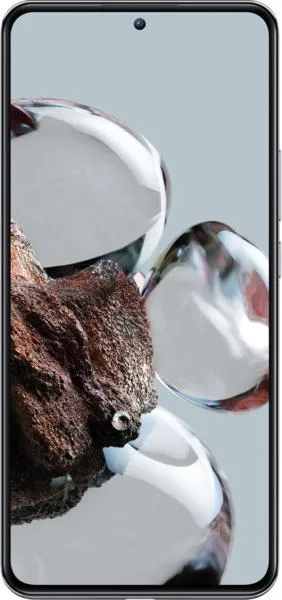
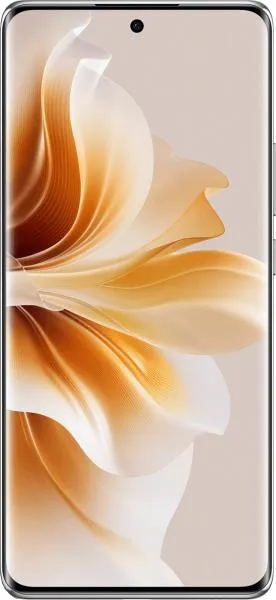
Xiaomi 12T vs. Oppo Reno11: A Deep Dive for the Discerning Smartphone User
Hello, fellow tech enthusiasts! Alex Griffin here, ready to dissect the Xiaomi 12T and the Oppo Reno11. We'll go beyond the spec sheet, translating those numbers into real-world experiences to help you decide which phone fits your lifestyle.
1. Specifications Breakdown
Let's start with a detailed comparison table:
| Feature | Xiaomi 12T | Oppo Reno11 | Real-World Implications |
|---|---|---|---|
| Design | |||
| Dimensions (mm) | 163.1 x 75.9 x 8.6 | 162.4 x 74.3 x 7.9 | Xiaomi 12T slightly larger, might feel less comfortable in smaller hands. |
| Weight (g) | 202 | 182 | Oppo Reno11 noticeably lighter, reducing hand fatigue during extended use. |
| Display | |||
| Size (inches) | 6.67 | 6.7 | Negligible size difference; both offer immersive viewing experiences. |
| Resolution | 1220 x 2712 | 1080 x 2412 | Xiaomi 12T boasts sharper visuals due to higher resolution, especially noticeable in text and fine details. |
| Refresh Rate (Hz) | 120 | 120 | Both offer smooth scrolling and animations, enhancing responsiveness and visual fluidity. |
| Display Type | AMOLED, 68B colors, HDR10+ | AMOLED, 1B colors, HDR10+ | Both offer vibrant colors and deep blacks. Oppo Reno11 theoretically capable of displaying more colors. |
| Performance | |||
| Chipset | Dimensity 8100 Ultra (5 nm) | Dimensity 7050 (6 nm) | Xiaomi 12T's processor likely offers superior performance in demanding tasks and gaming. |
| CPU | Octa-core (4x2.85 GHz & 4x2.0 GHz) | Octa-core (2x2.6 GHz & 6x2.0 GHz) | Xiaomi 12T likely faster and more efficient due to higher clock speeds and newer architecture. |
| RAM | 8GB | 12GB | Oppo Reno11 offers more RAM, potentially benefiting multitasking and keeping more apps open in the background. |
| Camera | |||
| Main Camera | 108MP, Samsung HM6 | 50MP, Sony LYT-600 | Xiaomi 12T packs higher resolution, potentially capturing more detail. Real-world performance depends on processing. |
| Battery Life | |||
| Capacity (mAh) | 5000 | 5000 | Similar battery capacities suggest comparable battery life, though actual usage will vary. |
2. Key Insights
The Xiaomi 12T shines with its superior display sharpness and raw processing power, making it ideal for demanding users and mobile gamers. The Dimensity 8100 Ultra is a performance beast, and the higher resolution display is a noticeable advantage.
The Oppo Reno11, while less powerful, counters with a lighter design, more RAM, and a potentially better color display (though real-world difference may be negligible). The increased RAM could prove beneficial for heavy multitaskers. Note: Reno11 has telephoto camera, not reflected in the table above due to formatting.
3. User Profiles and Recommendations
Xiaomi 12T: Power users, gamers, photography enthusiasts, anyone prioritizing performance and a sharp display.
Oppo Reno11: Multitaskers, casual users, those who value a lightweight and stylish phone, users who prioritize a telephoto lens.
4. Buying Decision Framework
- What's your budget? Compare prices in your region, considering the storage options.
- Is raw performance a priority? If yes, the Xiaomi 12T's processor is the clear winner.
- Do you value a lighter phone or a sharper display? Oppo Reno11 for lightness, Xiaomi 12T for display sharpness.
My Choice: As a tech journalist who often pushes devices to their limits, I'd lean towards the Xiaomi 12T. The performance advantage of the Dimensity 8100 Ultra and the sharper display are compelling. While the Oppo Reno11 offers a lighter design and more RAM, the 12T's strengths align more closely with my needs for demanding tasks, gaming, and content creation. The difference in RAM is less significant to me than raw processing power.
