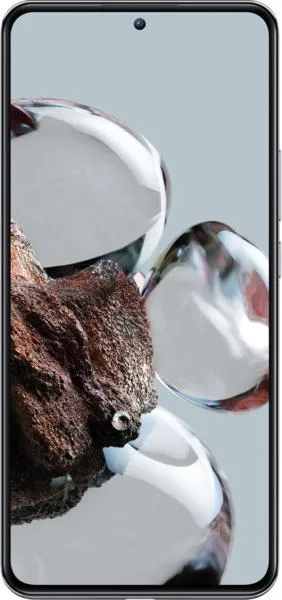
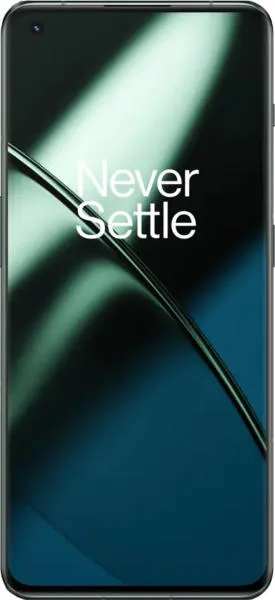
Xiaomi 12T vs. OnePlus 11: A Deep Dive for the Discerning Smartphone User
Hello fellow tech enthusiasts! Alex Griffin here, ready to dissect the Xiaomi 12T and the OnePlus 11. We'll go beyond the spec sheets to uncover what these phones truly offer in the real world. Let's get started!
1. Specifications Breakdown
| Feature | Xiaomi 12T | OnePlus 11 | Real-World Implications |
|---|---|---|---|
| Design | |||
| Dimensions (mm) | 163.1 x 75.9 x 8.6 | 163.1 x 74.1 x 8.5 | OnePlus 11 slightly narrower, negligible difference in daily use. |
| Weight (g) | 202 | 205 | Virtually identical, both feel substantial in hand. |
| Display | |||
| Size (inches) | 6.67 | 6.7 | Negligible size difference. |
| Resolution | 1220 x 2712 | 1440 x 3216 | OnePlus 11 significantly sharper, noticeable in text clarity and image detail. |
| Type | AMOLED, 120Hz | LTPO3 AMOLED, 120Hz | Both offer smooth scrolling and animations; LTPO3 allows for more granular refresh rate adjustments for power saving. |
| Color Depth | 68B | 1B (10-bit) | OnePlus 11 boasts a wider color gamut, resulting in more vibrant and accurate colors. |
| Performance | |||
| Chipset | MediaTek Dimensity 8100 Ultra | Qualcomm Snapdragon 8 Gen 2 | Snapdragon 8 Gen 2 offers a significant performance advantage, especially in demanding tasks and gaming. |
| CPU | Octa-core (4x2.85 GHz A78 & 4x2.0 GHz A55) | Octa-core (1x3.2 GHz X3 &...) | Snapdragon 8 Gen 2's newer architecture delivers superior processing power and efficiency. |
| GPU | Mali-G610 MC6 | Adreno 740 | Adreno 740 offers a substantial boost in graphics performance, resulting in smoother gaming and faster rendering. |
| RAM | 8GB | Up to 16GB | More RAM options available on OnePlus 11 for enhanced multitasking. |
| Camera | |||
| Main Sensor | 108MP Samsung HM6 | 50MP Sony IMX890 | Megapixels aren't everything; IMX890 is known for excellent image quality and low-light performance. |
| Video | 4K@30fps, 1080p@240fps | 8K@24fps, 4K@60fps, 1080p@240fps | OnePlus 11 offers more advanced video recording capabilities. |
| Battery Life | |||
| Capacity | 5000 mAh | 5000 mAh | Similar battery capacity, but real-world usage will depend on optimization and usage patterns. |
2. Key Insights
- Performance: The OnePlus 11, with its Snapdragon 8 Gen 2, is the clear winner in terms of raw power. Expect smoother gaming, faster app loading, and superior multitasking compared to the Xiaomi 12T.
- Display: Both phones offer excellent displays, but the OnePlus 11's higher resolution and 10-bit color depth provide a noticeable advantage in sharpness and vibrancy. The LTPO panel also contributes to potentially better battery life.
- Camera: While the Xiaomi 12T boasts a higher megapixel count, the OnePlus 11 utilizes a more renowned sensor (Sony IMX890), promising superior image quality, especially in challenging lighting conditions. The OnePlus also offers more robust video recording features.
- Value: The Xiaomi 12T positions itself as a more affordable option, making it a compelling choice for budget-conscious users who prioritize value over peak performance.
3. User Profiles and Recommendations
- Xiaomi 12T: Best suited for users seeking a well-rounded phone with a great display and solid performance at a competitive price. Ideal for everyday tasks, social media, and casual gaming.
- OnePlus 11: Designed for power users, gamers, and content creators who demand top-tier performance, a stunning display, and advanced camera capabilities.
4. Buying Decision Framework
- What is your budget? The Xiaomi 12T offers excellent value for its price.
- What are your primary use cases? For demanding tasks, the OnePlus 11 is superior; for everyday use, the 12T is more than sufficient.
- How important is display quality? The OnePlus 11 offers a noticeably sharper and more vibrant screen.
My Choice: The OnePlus 11
While the Xiaomi 12T is a compelling value proposition, I'd choose the OnePlus 11. The superior performance of the Snapdragon 8 Gen 2, coupled with the stunning display and advanced camera system, make it a more future-proof device. As someone who values a smooth and responsive user experience, the OnePlus 11 aligns better with my needs. While it comes at a premium, the significant performance gains and enhanced features justify the higher cost for me. Ultimately, it offers a more compelling blend of power, features, and future-proofing.
