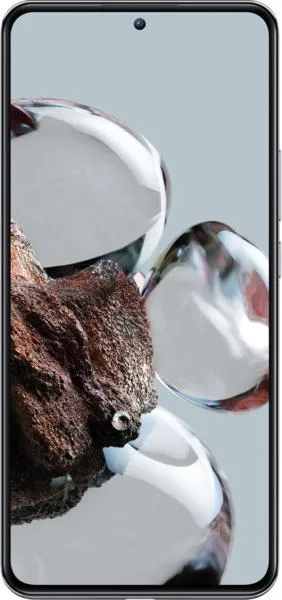
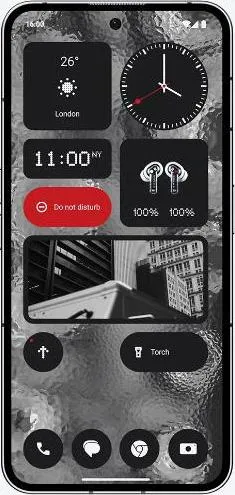
Xiaomi 12T vs. Nothing Phone (2): A Deep Dive for the Discerning User
The mid-range smartphone arena is fiercely competitive, and two contenders vying for your attention are the Xiaomi 12T and the Nothing Phone (2). Both offer compelling features at attractive price points, but their subtle differences cater to distinct user preferences. Let's dissect these devices, translating their technical specifications into real-world experiences to guide your buying decision.
1. Specifications Breakdown
| Feature | Xiaomi 12T | Nothing Phone (2) | Real-World Implications |
|---|---|---|---|
| Design | |||
| Dimensions (mm) | 163.1 x 75.9 x 8.6 | 162.1 x 76.4 x 8.6 | Virtually identical in size and feel. |
| Weight (g) | 202 | 201.2 | Negligible difference in weight; both feel substantial in hand. |
| Display | |||
| Type | AMOLED | LTPO OLED | Both offer vibrant colors and deep blacks. Nothing Phone (2)'s LTPO allows for more efficient variable refresh rate. |
| Size | 6.67" | 6.7" | Negligible size difference; both offer immersive viewing experiences. |
| Resolution | 1220 x 2712 | 1080 x 2412 | Xiaomi 12T boasts a sharper display (446 ppi vs. 394 ppi), noticeable in fine text and images. |
| Refresh Rate | 120Hz | 120Hz | Both offer smooth scrolling and animations. |
| Performance | |||
| Chipset | Dimensity 8100 Ultra (5 nm) | Snapdragon 8+ Gen 1 (4 nm) | Nothing Phone (2) packs a more powerful processor, resulting in faster app launches and smoother gaming at high settings. |
| CPU | Octa-core (4x2.85 GHz A78 & 4x2.0 GHz A55) | Octa-core (1x3.0 GHz X2 & 3x2.5 GHz A710 & 4x1.8 GHz A510) | More nuanced core configuration on the Nothing Phone (2) for better power management and peak performance. |
| GPU | Mali-G610 MC6 | Adreno 730 | Adreno 730 in the Nothing Phone (2) offers a significant advantage in graphics-intensive tasks. |
| RAM | 8GB | 8GB/12GB | More RAM options available for Nothing Phone (2), beneficial for heavy multitasking. |
| Camera | |||
| Main Sensor | 108MP Samsung HM6 | 50MP Sony IMX890 | Xiaomi 12T boasts higher resolution, while the Nothing Phone (2) uses a larger sensor known for its low-light performance. |
| Battery Life | |||
| Capacity | 5000mAh | 4700mAh | Xiaomi 12T has a slightly larger battery, potentially translating to longer usage time. |
2. Key Insights
The Xiaomi 12T shines with its incredibly sharp display and larger battery. It offers excellent value for users prioritizing media consumption and all-day battery life. The 108MP camera promises detailed photos, although real-world performance will depend on image processing.
The Nothing Phone (2) excels in raw performance, thanks to the Snapdragon 8+ Gen 1. This translates to a smoother, more responsive user experience, especially for demanding tasks like gaming and video editing. The unique Glyph Interface adds a touch of personality and functional notification system. While its main camera sensor has a lower resolution, the Sony IMX890 is known for its excellent image quality, especially in challenging lighting conditions.
3. User Profiles and Recommendations
Xiaomi 12T: Ideal for users who prioritize a vibrant, sharp display, long battery life, and a capable camera at a competitive price. Great for social media enthusiasts, casual gamers, and those who consume a lot of media on their phones.
Nothing Phone (2): Best suited for power users, mobile gamers, and those seeking the latest and greatest in mobile processing power. The Glyph Interface adds a unique flair for those who value distinctive design elements.
4. Buying Decision Framework
- What's your budget? The Xiaomi 12T generally comes at a lower price point than the Nothing Phone (2).
- What are your primary use cases? Media consumption and battery life favor the Xiaomi 12T, while performance and unique design favor the Nothing Phone (2).
- Do you value cutting-edge performance or a longer-lasting battery? The Snapdragon 8+ Gen 1 in the Nothing Phone (2) is a performance beast, but the Xiaomi 12T's larger battery might provide more peace of mind.
My Choice: The Nothing Phone (2)
While the Xiaomi 12T offers a compelling package, I'd personally choose the Nothing Phone (2). The superior performance of the Snapdragon 8+ Gen 1 is a significant factor for me. As someone who frequently multitasks, uses demanding applications, and appreciates a fluid user experience, the extra processing power is worth the premium. The unique Glyph Interface, while perhaps a gimmick to some, adds a layer of personalization and functionality I find intriguing. While I acknowledge the Xiaomi 12T's sharper display, the overall performance and future-proofing of the Nothing Phone (2), coupled with its innovative design, make it the more compelling device for my needs.
