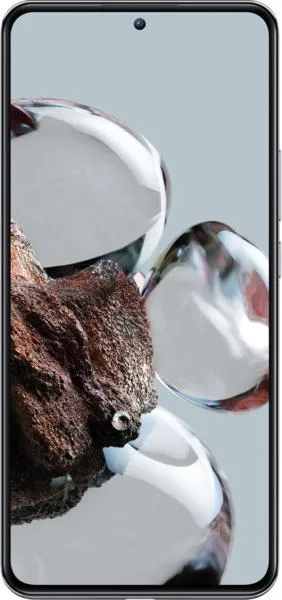
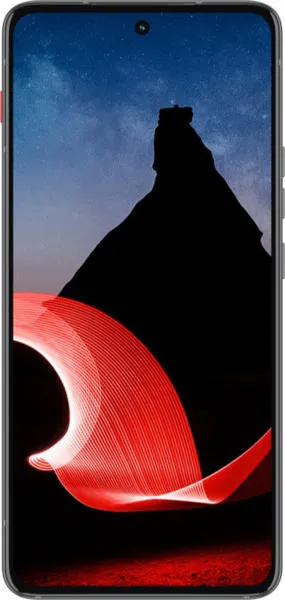
Xiaomi 12T vs. Motorola ThinkPhone: A Deep Dive for the Discerning User
The mid-range smartphone market is fiercely competitive, with devices vying for your attention with compelling features and aggressive pricing. Today, we dissect two contenders: the Xiaomi 12T and the Motorola ThinkPhone. Both boast impressive specs on paper, but let's delve deeper to uncover what truly sets them apart.
1. Specifications Breakdown
| Feature | Xiaomi 12T | Motorola ThinkPhone | Real-World Implications | |
|---|---|---|---|---|
| Design | ||||
| Dimensions (mm) | 163.1 x 75.9 x 8.6 | 158.8 x 74.4 x 8.3 | ThinkPhone slightly more compact, potentially easier to handle. | |
| Weight (g) | 202 | 188.5 | ThinkPhone noticeably lighter, reducing hand fatigue during extended use. | |
| Build Materials | Glass front/back, plastic frame | Aramid Fiber back, Aluminum frame | ThinkPhone boasts superior durability and premium feel thanks to aramid fiber and aluminum. | |
| Display | ||||
| Type | AMOLED | pOLED | Both offer vibrant colors and deep blacks. pOLED potentially more power efficient. | |
| Size | 6.67" | 6.6" | Negligible difference in screen real estate. | |
| Resolution | 1220 x 2712 | 1080 x 2400 | Xiaomi 12T significantly sharper due to higher pixel density (446 ppi vs 399 ppi). | |
| Refresh Rate | 120Hz | 144Hz | ThinkPhone offers smoother scrolling and animations, especially noticeable in gaming. | |
| Performance | ||||
| Chipset | Dimensity 8100 Ultra | Snapdragon 8+ Gen 1 | ThinkPhone packs a more powerful flagship-level processor, resulting in superior performance. | |
| CPU | Octa-core (4x2.85 GHz A78 & 4x2.0 GHz A55) | Octa-core (1x3.19 GHz X2 & 3x2.75 GHz A710 & 4x1.80 GHz A510) | ThinkPhone's CPU architecture offers better performance distribution for demanding tasks. | |
| GPU | Mali-G610 MC6 | Adreno 730 | ThinkPhone's GPU delivers significantly better gaming and graphics performance. | |
| RAM | 8GB | 8GB | Both offer ample RAM for multitasking. | |
| Camera | ||||
| Main Sensor | 108MP Samsung HM6 | 50MP Omnivision OV50A | Xiaomi 12T boasts higher resolution, but sensor size and processing play a crucial role in image quality. Real-world comparison needed. | |
| Video | Up to 4K@30fps | Up to 8K@30fps | ThinkPhone capable of higher resolution video recording. | |
| Battery Life | ||||
| Capacity | 5000 mAh | 5000 mAh | Similar battery capacity suggests comparable longevity, but real-world usage will vary. | |
| Charging | 120W HyperCharge | 68W TurboPower | Xiaomi 12T charges significantly faster. |
2. Key Insights
The Xiaomi 12T shines with its sharper display, faster charging, and impressive 108MP main camera sensor. It's a strong contender for multimedia enthusiasts and those prioritizing charging speed.
The Motorola ThinkPhone, however, boasts a more robust build, a smoother 144Hz display, and the raw power of the Snapdragon 8+ Gen 1. Its superior performance makes it ideal for demanding users and mobile gamers.
3. User Profiles and Recommendations
Xiaomi 12T: Best suited for users prioritizing display sharpness, fast charging, and a high-resolution camera sensor on a budget.
Motorola ThinkPhone: Ideal for power users, gamers, and those who value a durable, premium-feeling device with top-tier performance. The ThinkPhone's integration with the ThinkPad ecosystem makes it a compelling choice for business professionals.
4. Buying Decision Framework
- What is your budget? The Xiaomi 12T generally offers better value for money due to its lower price point.
- What are your performance needs? For gaming and demanding tasks, the ThinkPhone's Snapdragon 8+ Gen 1 is the clear winner.
- What features matter most? Prioritize display sharpness and charging speed? Choose the Xiaomi 12T. Prioritize durability, performance, and a smooth display? Opt for the ThinkPhone.
My Choice: As a tech journalist who values performance and a premium experience, I would choose the Motorola ThinkPhone. While the Xiaomi 12T offers compelling features for its price, the ThinkPhone's superior processing power, smoother display, and robust build align better with my needs. The faster USB standard (3.1 vs 2.0) also suggests faster data transfer speeds, which is important for my workflow. The potential for seamless integration with Lenovo's ThinkPad ecosystem is an added bonus, though a full assessment would require hands-on experience with those features. I'm willing to pay a premium for the noticeable difference in performance and the added durability.
