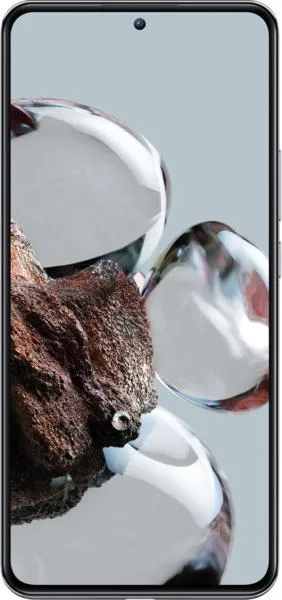
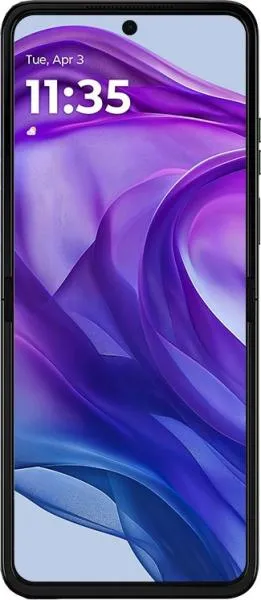
Xiaomi 12T vs. Motorola Razr 50 Ultra: A Detailed Comparison
The smartphone market offers a plethora of choices, each catering to different needs and preferences. Today, we'll dissect two distinct contenders: the Xiaomi 12T, a powerhouse of performance, and the Motorola Razr 50 Ultra, a foldable marvel pushing the boundaries of design.
1. Specifications Breakdown
| Feature | Xiaomi 12T | Motorola Razr 50 Ultra | Real-World Implications |
|---|---|---|---|
| Design | |||
| Dimensions (mm) | 163.1 x 75.9 x 8.6 | 171.4 x 74 x 7.1 (Unfolded) | Razr 50 Ultra offers portability when folded, but larger unfolded. |
| Weight (g) | 202 | 189 | Razr 50 Ultra feels lighter despite larger unfolded size. |
| Foldable | No | Yes | Razr's foldable design offers unique portability and a second screen. |
| Display | |||
| Display Type | 6.67" AMOLED, 120Hz | 6.9" Foldable pOLED, 165Hz | Razr boasts higher refresh rate and potentially smoother visuals; foldable screen introduces crease considerations. |
| Resolution | 1220 x 2712 | 1080 x 2640 | Xiaomi 12T has a sharper display due to higher pixel density. |
| Peak Brightness | Unspecified | 3000 nits | Razr 50 Ultra offers superior outdoor visibility. |
| Performance | |||
| Chipset | Dimensity 8100 Ultra | Snapdragon 8s Gen 3 | Razr 50 Ultra likely offers a performance advantage with newer, more powerful chipset. |
| CPU | Octa-core (Cortex-A78 & A55) | Octa-core (Cortex-X4, A720 & A520) | Razr's CPU architecture suggests better multi-core performance. |
| RAM | 8GB | 12GB | Razr provides more headroom for multitasking and demanding applications. |
| Camera | |||
| Main Camera | 108MP, f/1.7 | 50MP, f/1.8 with OIS | Xiaomi boasts higher resolution, but Razr's larger sensor and OIS potentially deliver better low-light performance. |
| Secondary Cameras | 8MP ultrawide, 2MP macro | 12MP ultrawide | Razr consolidates to a more practical dual-camera setup. |
| Battery Life | |||
| Battery Capacity | 5000 mAh | 3800 mAh | Xiaomi 12T likely offers significantly longer battery life. Foldables often compromise on battery due to space constraints. |
2. Key Insights
Performance: The Razr 50 Ultra, with its newer Snapdragon chipset and higher RAM, likely edges out the Xiaomi 12T in raw performance, making it better suited for demanding tasks and gaming. However, the Dimensity 8100 Ultra in the 12T is no slouch and delivers excellent performance for everyday use.
Display: The Razr 50 Ultra's foldable display is its defining feature. The higher refresh rate promises smoother animations, while the increased peak brightness ensures excellent outdoor visibility. However, the foldable screen introduces a crease and potential durability concerns. The Xiaomi 12T's traditional AMOLED display offers higher resolution for sharper images and text.
Camera: While the Xiaomi 12T boasts a higher resolution main sensor, megapixels don't tell the whole story. The Razr 50 Ultra's larger sensor, wider aperture (f/1.8), and optical image stabilization (OIS) suggest potentially better low-light performance and video stability.
Battery Life: The Xiaomi 12T's significantly larger battery capacity likely translates to noticeably longer battery life. The Razr 50 Ultra, being a foldable, faces space constraints that impact battery size.
3. User Profiles and Recommendations
Xiaomi 12T: Ideal for users prioritizing performance, battery life, and a sharp display at a more affordable price point. Excellent for power users who demand long usage sessions without frequent charging.
Motorola Razr 50 Ultra: Best suited for users who value cutting-edge design, portability, and the unique functionality of a foldable device. The external display provides quick access to notifications and key tasks.
4. Buying Decision Framework
Is a foldable design a priority? If yes, the Razr 50 Ultra is the clear choice.
How important is battery life? If all-day battery life is crucial, the Xiaomi 12T's larger battery is a significant advantage.
What is your budget? The Razr 50 Ultra commands a premium price for its innovative design. The Xiaomi 12T offers excellent value for its performance and features.
My Choice: Xiaomi 12T
While the Razr 50 Ultra is undeniably cool, I would choose the Xiaomi 12T. As a power user, battery life is paramount to me, and the 5000 mAh battery is a huge draw. I also prioritize a sharp, uninterrupted display for content consumption and productivity. While I appreciate the innovation of foldable phones, the crease, potential durability concerns, and higher price of the Razr 50 Ultra are trade-offs I'm not willing to make. The Xiaomi 12T offers a compelling combination of performance, battery life, and display quality at a more accessible price, making it the more practical choice for my needs.
