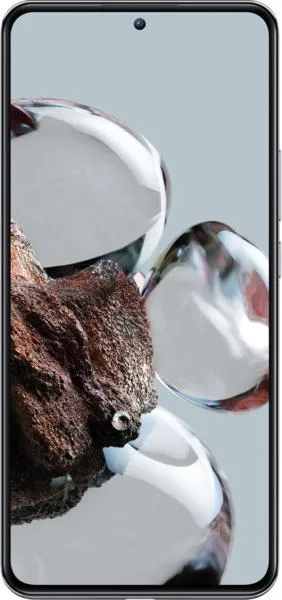
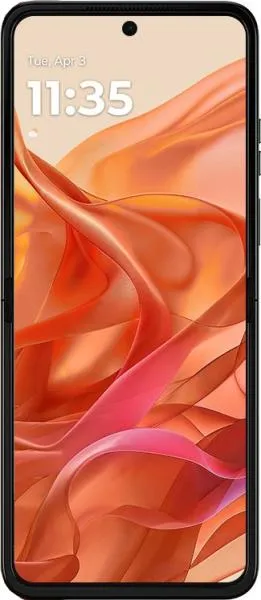
Xiaomi 12T vs. Motorola Razr 50: A Comparative Analysis
The smartphone market offers a dizzying array of choices, and deciding between two seemingly similar devices can be challenging. Today, we'll dissect the Xiaomi 12T and the Motorola Razr 50, two compelling mid-range contenders, to help you navigate this decision. I'll break down their specifications, analyze their real-world implications, and offer tailored recommendations based on individual user needs.
1. Specifications Breakdown
| Feature | Xiaomi 12T | Motorola Razr 50 | Real-World Implications |
|---|---|---|---|
| Design | |||
| Dimensions (mm) | 163.1 x 75.9 x 8.6 | 171.3 x 74 x 7.3 (Folded) | Razr 50 significantly more compact when folded, pocketable; 12T more traditional candybar design. |
| Weight (g) | 202 | 188.4 | Razr 50 slightly lighter despite foldable design. |
| Foldable | No | Yes | Razr 50 offers a unique form factor and smaller footprint when folded. |
| Display | |||
| Display Type | 6.67" AMOLED, 120Hz | 6.9" Foldable pOLED, 120Hz | Both offer smooth scrolling and vibrant colors; Razr 50 boasts a larger, potentially more immersive screen but with a crease. |
| Resolution | 1220 x 2712 | 1080 x 2640 | 12T higher pixel density (446 ppi vs 413 ppi), resulting in sharper text and images. |
| Peak Brightness | 900 nits (peak) | 3000 nits (peak) | Razr 50 significantly brighter, enhancing outdoor visibility. |
| Performance | |||
| Chipset | Dimensity 8100-Ultra | Dimensity 7300X | 8100-Ultra generally offers better performance in demanding tasks and gaming. |
| CPU | Octa-core (4x2.85 GHz A78 & 4x2.0 GHz A55) | Octa-core (4x2.5 GHz A78 & 4x2.0 GHz A55) | 12T slightly faster CPU clock speeds, potentially translating to quicker app loading and multitasking. |
| RAM | 8GB | Up to 12GB | Razr 50 offers a configuration with more RAM for enhanced multitasking. |
| Camera | |||
| Main Camera | 108MP, f/1.7 | 50MP, f/1.8 | 12T higher megapixel count; image quality depends on sensor size, processing, and other factors. |
| Selfie Camera | 20MP | 32MP | Razr 50 higher resolution selfie camera. |
| Battery Life | |||
| Battery Capacity | 5000 mAh | 4200 mAh | 12T larger battery capacity, likely resulting in longer usage time. |
2. Key Insights
The Xiaomi 12T prioritizes raw performance and a classic smartphone experience. Its powerful Dimensity 8100-Ultra chipset, sharp display, and large battery make it a workhorse for demanding users. The 108MP camera promises detailed photos, though real-world performance needs further examination.
The Motorola Razr 50 shines with its innovative foldable design, offering a compact form factor without sacrificing screen size. The brighter display excels outdoors, and while the Dimensity 7300X is less powerful than the 12T's chip, it's still capable for most tasks. The foldable design allows for unique camera functionalities, like using the main camera for selfies.
3. User Profiles and Recommendations
Xiaomi 12T: Ideal for users who prioritize performance, battery life, and a traditional smartphone experience. Power users, mobile gamers, and those who consume a lot of media will appreciate its capabilities.
Motorola Razr 50: Best suited for users who value portability and a unique, stylish device. The compact folded size is a major draw, and the flexible form factor enables creative photo and video opportunities.
4. Buying Decision Framework
- Is pocketability a top priority? If yes, the Razr 50's foldable design is a clear winner.
- Do you need the absolute best performance? The 12T's Dimensity 8100-Ultra provides a performance edge.
- How important is battery life? The 12T's larger battery likely offers longer usage between charges.
My Choice: Xiaomi 12T
While the Razr 50 is undeniably cool, I would choose the Xiaomi 12T. As a tech journalist who often pushes devices to their limits, I prioritize raw performance and battery life. The Dimensity 8100-Ultra's superior processing power, coupled with the larger battery, ensures a smooth and productive experience throughout my day. While I appreciate the Razr 50's innovative design, the potential trade-offs in performance and battery life, along with the inherent crease in foldable displays, don't align with my current needs. The 12T offers a more robust and reliable foundation for my workflow. However, if the next iteration of foldable phones can minimize the performance gap and improve battery technology, I would be eager to reconsider.
