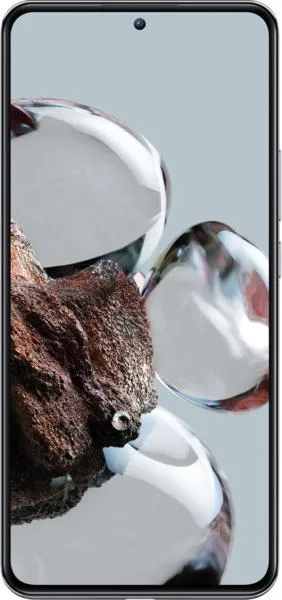
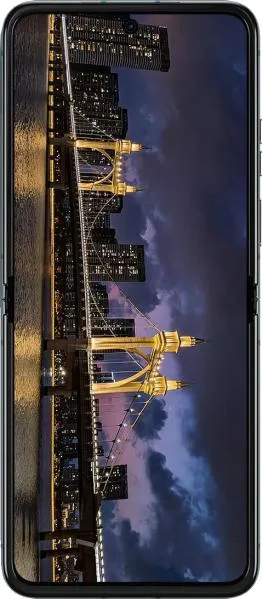
Xiaomi 12T vs. Motorola Razr 40 Ultra: A Comparative Analysis
The smartphone landscape is filled with choices, and deciding between two seemingly similar devices can be challenging. Today, we'll dissect the Xiaomi 12T and the Motorola Razr 40 Ultra, two compelling options with distinct strengths. Our analysis will go beyond the spec sheet, translating technical jargon into real-world implications for you, the user.
1. Specifications Breakdown
| Feature | Xiaomi 12T | Motorola Razr 40 Ultra | Real-World Implications |
|---|---|---|---|
| Design | |||
| Form Factor | Candybar | Foldable | Razr offers portability and a unique "wow" factor, 12T is classic |
| Dimensions (mm) | 163.1 x 75.9 x 8.6 | 170.8 x 74 x 7 (folded) | Razr is more compact when folded, 12T is thinner when unfolded |
| Weight (g) | 202 | 184.5 | Razr is noticeably lighter |
| Display | |||
| Size (inches) | 6.67 | 6.9 (main), 3.6 (cover) | Razr has larger main display, 12T lacks a cover display |
| Type | AMOLED | Foldable pOLED | Razr's screen technology may offer better contrast |
| Refresh Rate (Hz) | 120 | 165 | Razr provides smoother scrolling and animations |
| Resolution (px) | 1220 x 2712 | 1080 x 2640 | 12T has a sharper display |
| Performance | |||
| Chipset | Dimensity 8100 Ultra | Snapdragon 8+ Gen 1 | Razr boasts a more powerful processor, potentially faster speeds |
| CPU | Octa-core | Octa-core | Both offer capable multi-tasking |
| RAM (GB) | 8 | 8/12 | Razr offers a 12GB RAM option for enhanced multitasking |
| Camera | |||
| Main Camera (MP) | 108 | 12 | 12T's higher megapixel count may offer more detail |
| Selfie Camera (MP) | 20 | 32 | Razr has a significantly better selfie camera |
| Battery Life | |||
| Capacity (mAh) | 5000 | 3800 | 12T likely offers longer battery life |
2. Key Insights
- Performance: The Razr 40 Ultra, with its Snapdragon 8+ Gen 1, will likely outperform the 12T in demanding tasks and gaming. However, the Dimensity 8100 Ultra in the 12T is no slouch and should handle everyday tasks with ease.
- Display: The Razr's foldable display is the star of the show, offering a unique form factor and a larger screen when unfolded. However, the 12T's higher resolution AMOLED panel delivers sharper visuals.
- Battery: The 12T's significantly larger battery capacity suggests longer battery life compared to the Razr. Foldable phones often compromise on battery due to space constraints.
- Camera: While the 12T boasts a higher megapixel count on its main camera, megapixels aren't everything. Real-world image quality will depend on factors like sensor size, processing, and software. The Razr's 32MP selfie camera is a clear advantage for video calls and self-portraits. The Razr also packs OIS in both it's rear cameras.
3. User Profiles and Recommendations
- Xiaomi 12T: Ideal for users who prioritize battery life, a sharp display, and solid performance at a more affordable price. Great for power users who value all-day battery.
- Motorola Razr 40 Ultra: Perfect for users who value portability, a unique design, and cutting-edge technology. The external display allows for quick interactions without unfolding the phone. Best for those who want a pocketable device that unfolds into a larger screen.
4. Buying Decision Framework
- Is a foldable design a must-have? If yes, the Razr is your only option.
- How important is battery life? The 12T likely offers significantly longer battery life.
- What's your budget? The Razr 40 Ultra typically commands a higher price premium.
My Choice
If I were choosing between these two, I'd opt for the Xiaomi 12T. While the Razr 40 Ultra's foldable design is undeniably cool, I prioritize battery life and a seamless user experience. The 12T's larger battery, combined with its excellent performance and sharp display, makes it a more practical choice for my daily needs. I also appreciate the value proposition of the 12T, as it delivers flagship-level features at a more accessible price point. The Razr's higher price, smaller battery, and potential durability concerns associated with foldable phones outweigh the novelty of the folding form factor for me. I'm also not convinced foldable screen technology is fully mature yet. Lastly, the 12T having OIS on the main camera, HDR video recording at various frame rates, plus a dedicated macro lens, make it a much more versatile camera system.
