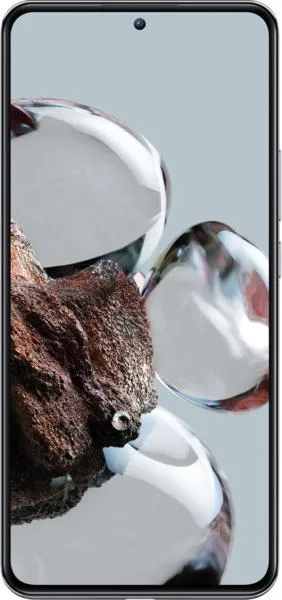
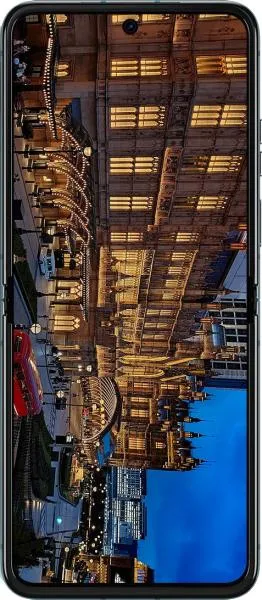
Xiaomi 12T vs. Motorola Razr 40: A Comparative Analysis
The smartphone landscape is constantly evolving, offering a diverse range of devices to cater to various needs and preferences. Today, we'll delve into a comparative analysis of two intriguing contenders: the Xiaomi 12T, a powerhouse of performance, and the Motorola Razr 40, a stylish foldable that captures attention. By dissecting their specifications and translating them into real-world implications, we aim to empower you to make an informed decision.
1. Specifications Breakdown
| Feature | Xiaomi 12T | Motorola Razr 40 | Real-World Implications |
|---|---|---|---|
| Design | |||
| Dimensions (mm) | 163.1 x 75.9 x 8.6 | 170.8 x 74 x 7.4 (Unfolded) | Razr 40 offers portability when folded, but Xiaomi 12T is thinner when both are unfolded. |
| Weight (g) | 202 | 188.6 | Razr 40 is noticeably lighter. |
| Foldable | No | Yes | Razr 40's foldable design provides a unique form factor and potential for compact storage. |
| Display | |||
| Size (inches) | 6.67 | 6.9 | Razr 40 boasts a slightly larger screen. |
| Resolution (px) | 1220 x 2712 | 1080 x 2640 | Xiaomi 12T offers sharper visuals due to higher resolution. |
| Refresh Rate (Hz) | 120 | 144 | Razr 40 delivers smoother scrolling and animations. |
| Display Type | AMOLED | Foldable LTPO AMOLED | Razr 40's LTPO panel allows for dynamic refresh rate adjustment, potentially saving battery. |
| Performance | |||
| Chipset | Dimensity 8100 Ultra | Snapdragon 7 Gen 1 | Xiaomi 12T's Dimensity chip generally offers better performance, especially in benchmarks. |
| CPU | Octa-core (4x2.85 GHz Cortex-A78 & 4x2.0 GHz Cortex-A55) | Octa-core (1x2.4 GHz Cortex-A710 & 3x2.36 GHz Cortex-A710 & 4x1.8 GHz Cortex-A510) | While both are powerful, the architectural advantage lies with Xiaomi 12T for demanding tasks. |
| GPU | Mali-G610 MC6 | Adreno 644 | Xiaomi 12T likely provides a superior gaming experience. |
| RAM (GB) | 8 | 8 | Both offer ample RAM for multitasking. |
| Camera | |||
| Main Camera (MP) | 108 | 64 | Xiaomi 12T boasts higher resolution, potentially capturing more detail. |
| Selfie Camera (MP) | 20 | 32 | Razr 40 offers a higher resolution front-facing camera for better selfies. |
| Battery Life | |||
| Capacity (mAh) | 5000 | 4200 | Xiaomi 12T offers a larger battery capacity, potentially translating to longer usage. |
2. Key Insights
The Xiaomi 12T prioritizes raw performance and a sharp display. Its Dimensity 8100 Ultra chipset outperforms the Snapdragon 7 Gen 1 in the Razr 40, making it ideal for demanding tasks and gaming. The higher resolution display provides crisper visuals. However, it's a more conventional slab-style phone.
The Motorola Razr 40, on the other hand, champions innovation with its foldable design. Its compact folded size enhances portability, while the 144Hz refresh rate ensures a fluid user experience. While its Snapdragon 7 Gen 1 processor is capable, it's not as powerful as the 12T's. The lower resolution might be noticeable to some, but the LTPO panel can dynamically adjust the refresh rate to conserve battery.
3. User Profiles and Recommendations
Xiaomi 12T: Ideal for power users, gamers, and those who prioritize performance and a sharp display above all else. It's a great choice for content consumption and creation.
Motorola Razr 40: Perfect for trendsetters, those seeking a unique and compact device, and individuals who value portability and a smooth user experience. The foldable design is a conversation starter.
4. Buying Decision Framework
Questions to Consider:
- Is top-tier performance a priority? If yes, the Xiaomi 12T is the clear winner.
- Is a foldable design a must-have? If yes, the Razr 40 is your only option in this comparison.
- What's your budget? While both are mid-range, specific pricing variations might influence your decision.
Scenario-Based Recommendations:
- Heavy gamer: Xiaomi 12T
- Style-conscious user who values portability: Motorola Razr 40
- Photographer/Videographer needing the best possible camera: Xiaomi 12T (based on megapixel count, though real-world performance may vary)
My Choice: Xiaomi 12T
While the Razr 40's foldable design is undeniably cool, as a tech journalist focused on performance and practical utility, I'd choose the Xiaomi 12T. The superior processing power of the Dimensity 8100 Ultra, coupled with the higher resolution display and larger battery, better suits my needs for productivity, content creation, and entertainment. The marginal difference in screen refresh rate is less crucial to me than overall speed and responsiveness. While I appreciate the Razr's innovative form factor, the performance advantages and potentially longer battery life of the 12T outweigh the novelty of a foldable for my personal use case.
