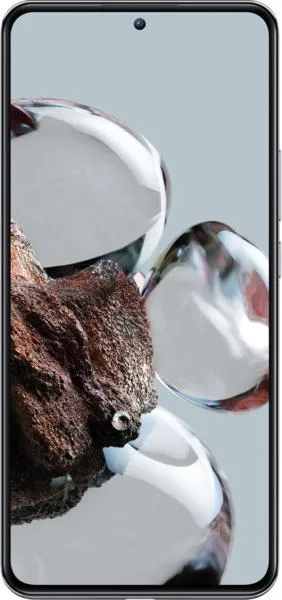
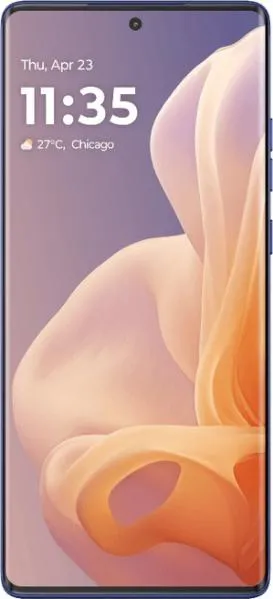
Xiaomi 12T vs. Motorola Moto G85: A Deep Dive for the Discerning Smartphone User
Hello fellow tech enthusiasts! Alex Griffin here, ready to dissect the Xiaomi 12T and the Motorola Moto G85. We'll go beyond the spec sheets to uncover what these phones really offer in terms of daily use. Let's get started!
1. Specifications Breakdown
| Feature | Xiaomi 12T | Motorola Moto G85 | Real-World Implications |
|---|---|---|---|
| Design | |||
| Dimensions (mm) | 163.1 x 75.9 x 8.6 | 161.9 x 73.1 x 7.6 | Xiaomi 12T is slightly larger; Moto G85 is marginally thinner and lighter. Negligible difference in hand feel for most users. |
| Weight (g) | 202 | 171 | Moto G85 is noticeably lighter, reducing hand fatigue during extended use. |
| Display | |||
| Type | AMOLED, 120Hz, HDR10+ | pOLED, 120Hz | Both offer smooth scrolling and vibrant colors. AMOLED on the 12T generally offers deeper blacks and higher peak brightness. |
| Resolution | 1220 x 2712 (446 ppi) | 1080 x 2400 (395 ppi) | Sharper details and text on the Xiaomi 12T due to the higher resolution. Difference noticeable in image viewing and fine text. |
| Peak Brightness | 900 nits (typical), 500 nits (peak) | 1600 nits (peak) | Moto G85 excels in direct sunlight readability, while 12T offers good overall brightness. |
| Performance | |||
| Chipset | Mediatek Dimensity 8100 Ultra (5nm) | Qualcomm Snapdragon 6s Gen 3 (6nm) | Xiaomi 12T significantly outperforms in demanding tasks, gaming, and multitasking due to a more powerful processor. |
| CPU | Octa-core (4x2.85 GHz & 4x2.0 GHz) | Octa-core (2x2.3 GHz & 6x2.0 GHz) | Xiaomi 12T offers a performance advantage with faster prime cores, translating to quicker app launches and smoother operation. |
| RAM | 8GB | 12GB(in tested version) | Moto G85's larger RAM allows for more apps to run in the background without reloading, but raw processing power favors 12T |
| Camera | |||
| Main Sensor | 108MP, Samsung HM6 | 50MP, Sony LYT-600 | Xiaomi 12T boasts higher resolution, potentially capturing more detail. Real-world image quality depends on processing and lens quality. |
| Video | 4K@30fps with HDR | 1080p@60fps | Xiaomi 12T offers higher resolution video recording with HDR. |
| Battery Life | |||
| Capacity | 5000 mAh | 5000 mAh | Similar battery capacities suggest comparable battery life, though real-world usage will vary based on software and hardware efficiency. |
2. Key Insights
- Performance Champion: The Xiaomi 12T, with its Dimensity 8100 Ultra chipset, is the clear winner in performance. Expect smoother gaming, faster app loading, and effortless multitasking.
- Display Delight: Both phones boast 120Hz refresh rates, but the Xiaomi 12T's higher resolution AMOLED display delivers a sharper, more vibrant visual experience. The Moto G85's higher peak brightness could be beneficial for outdoor use.
- Camera Considerations: The Xiaomi 12T boasts a higher megapixel count and 4K video recording. However, megapixels don't tell the whole story; real-world image quality depends heavily on software processing.
- Software and Updates: The Moto G85 ships with the latest Android 14, potentially offering longer software support than the Xiaomi 12T.
3. User Profiles and Recommendations
- Xiaomi 12T: Ideal for power users, gamers, and those who prioritize a premium display and robust performance.
- Motorola Moto G85: Suitable for budget-conscious users who value a clean software experience, long battery life, and excellent sunlight readability.
4. Buying Decision Framework
- What's your budget? The Moto G85 is generally more affordable.
- What are your performance needs? If you need a powerhouse for gaming or demanding tasks, the Xiaomi 12T is the better choice.
- How important is software support? The Moto G85, with newer Android version, might offer longer-term updates.
My Choice: The Xiaomi 12T
While the Moto G85 offers a compelling package for its price, I'd choose the Xiaomi 12T. The superior performance of the Dimensity 8100 Ultra, coupled with the sharper AMOLED display, is a winning combination for me. I prioritize a smooth, responsive user experience, and the 12T delivers that in spades. While the Moto G85's latest Android version is attractive, I'm willing to trade that for the significant performance gains and better display quality offered by the Xiaomi 12T. The slightly higher price is justified by the noticeable jump in overall user experience.
