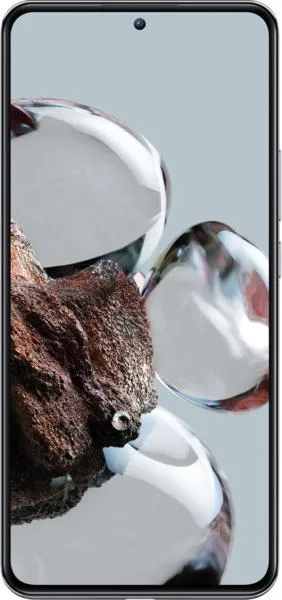
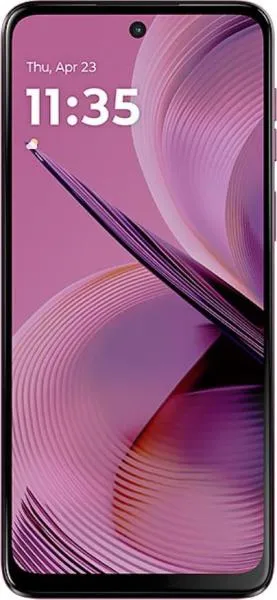
Xiaomi 12T vs. Motorola Moto G55: A Deep Dive for the Discerning Smartphone User
Hello, fellow tech explorers! Alex Griffin here, ready to dissect the Xiaomi 12T and the Motorola Moto G55. We'll go beyond the spec sheets to uncover what these phones really offer in terms of daily performance and user experience. Let's get started!
1. Specifications Breakdown
| Feature | Xiaomi 12T | Motorola Moto G55 | Real-World Implications |
|---|---|---|---|
| Design | |||
| Dimensions (mm) | 163.1 x 75.9 x 8.6 | 161.6 x 73.8 x 8.1 | 12T slightly taller and wider; both slim and pocketable. |
| Weight (g) | 202 | 179 | G55 noticeably lighter for extended single-hand use. |
| Display | |||
| Type | AMOLED, 120Hz | IPS LCD, 120Hz | 12T offers vibrant colors, deeper blacks, and better outdoor visibility. G55 is more power-efficient. |
| Resolution | 1220 x 2712 | 1080 x 2400 | 12T significantly sharper, especially for media consumption. |
| HDR | HDR10+, 500/900 nits | None | 12T delivers a superior HDR experience for compatible content. |
| Performance | |||
| Chipset | Dimensity 8100 Ultra (5nm) | Dimensity 7025 (6nm) | 12T boasts significantly faster CPU and GPU performance for demanding tasks and gaming. |
| CPU | Octa-core (4x2.85 GHz A78 & 4x2.0 GHz A55) | Octa-core (2x2.5 GHz A78 & 6x2.0 GHz A55) | 12T's higher clock speeds translate to smoother multitasking and quicker app loading. |
| RAM | 8GB | 8GB | Both offer ample RAM for smooth everyday performance. |
| Camera | |||
| Main Sensor | 108MP, Samsung HM6 | 50MP, unspecified CMOS | 12T offers higher resolution and potentially better low-light performance. Details on G55's sensor are lacking. |
| Video | 4K@30fps with HDR | 1080p@60fps | 12T capable of higher resolution video recording with HDR. |
| Battery Life | |||
| Capacity | 5000mAh | 5000mAh | Both offer similar battery capacities; real-world usage will depend on optimization. |
2. Key Insights
The Xiaomi 12T is the clear performance leader, thanks to its powerful Dimensity 8100 Ultra chipset and stunning AMOLED display. This translates to a smoother gaming experience, faster app loading, and more vibrant visuals. The 108MP camera also promises detailed photos, though real-world performance needs further testing.
The Moto G55, while less powerful, focuses on affordability and a clean Android experience. Its lighter weight and potentially longer battery life (due to the less demanding display) might appeal to users prioritizing ease of use and longevity. However, the lack of detailed camera sensor information raises concerns about its imaging capabilities.
3. User Profiles and Recommendations
Xiaomi 12T: Ideal for power users, gamers, and multimedia enthusiasts who demand top-notch performance and a vibrant display. The higher price tag is justified by the significant performance advantages.
Moto G55: Suitable for budget-conscious users who prioritize battery life, a clean Android experience, and basic functionality. It's a good option for those who primarily use their phones for communication, social media, and light web browsing.
4. Buying Decision Framework
Questions to Consider:
- What's your budget? The 12T is positioned in a higher price bracket.
- What are your primary phone usage patterns? Gaming, multimedia consumption, or basic tasks?
- How important is display quality and performance to you? The 12T excels in these areas.
My Choice: The Xiaomi 12T
As a tech enthusiast who appreciates a powerful and responsive device, I'd choose the Xiaomi 12T. The superior performance, stunning AMOLED display, and high-resolution camera are compelling. While the Moto G55 offers good value, the 12T's advantages in key areas align better with my needs and preferences for a flagship-level experience. The price difference is justified by the tangible benefits in performance, display, and potentially camera quality. The G55's lack of specific camera sensor details makes it difficult to fully assess its capabilities, further solidifying my choice of the 12T.
