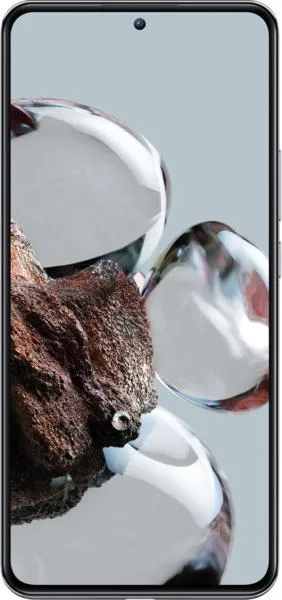
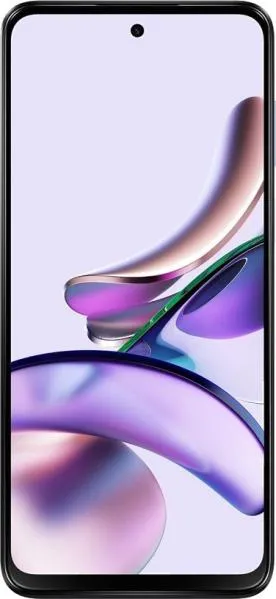
Xiaomi 12T vs. Motorola Moto G23: A Deep Dive for the Discerning Smartphone User
Hello everyone, Alex Griffin here. Today, we're dissecting two intriguing contenders in the mid-range smartphone arena: the Xiaomi 12T and the Motorola Moto G23. Let's cut through the marketing fluff and see how these devices stack up in the real world.
1. Specifications Breakdown
| Feature | Xiaomi 12T | Motorola Moto G23 | Real-World Implications |
|---|---|---|---|
| Design | |||
| Dimensions (mm) | 163.1 x 75.9 x 8.6 | 162.7 x 74.7 x 8.2 | Xiaomi 12T slightly larger; negligible difference in hand feel. |
| Weight (g) | 202 | 184.3 | Moto G23 noticeably lighter, reducing hand fatigue during extended use. |
| Display | |||
| Type | AMOLED, 120Hz | IPS LCD, 90Hz | Xiaomi 12T: vibrant colors, deeper blacks, smoother scrolling. Moto G23: good color accuracy, less power hungry. |
| Resolution | 1220 x 2712 (446 ppi) | 720 x 1600 (270 ppi) | Xiaomi 12T: significantly sharper, more detailed visuals. Moto G23: noticeable pixelation, especially with text. |
| HDR | HDR10+, 500/900 nits | - | Xiaomi 12T: superior dynamic range in supported content, brighter display. |
| Performance | |||
| Chipset | Dimensity 8100 Ultra (5nm) | Helio G85 (12nm) | Xiaomi 12T: vastly superior processing power, smoother multitasking, demanding gaming. Moto G23: basic tasks. |
| CPU | Octa-core (4x2.85 GHz A78 & 4x2.0 GHz A55) | Octa-core (2x2.0 GHz A75 & 6x1.8 GHz A55) | Xiaomi 12T: significantly faster and more efficient CPU performance. |
| GPU | Mali-G610 MC6 | Mali-G52 MC2 | Xiaomi 12T: much more powerful graphics performance, handles high-end games with ease. |
| RAM | 8GB | 4/8GB | Xiaomi 12T: ensures smooth multitasking and app switching. |
| Camera | |||
| Main Camera | 108MP, f/1.7, OIS | 50MP, f/1.8 | Xiaomi 12T: higher resolution, potentially better detail and low-light performance, Optical Image Stabilization. |
| Video | 4K@30fps with HDR | 1080p@30fps | Xiaomi 12T: superior video recording capabilities. |
| Battery Life | |||
| Capacity | 5000 mAh | 5000 mAh | Comparable battery capacity, but real-world usage will vary due to display and processor differences. |
2. Key Insights
The Xiaomi 12T demonstrably outperforms the Moto G23 across nearly every category. Its Dimensity 8100 Ultra chipset, coupled with 8GB of RAM, delivers a flagship-level experience in terms of speed and responsiveness. The stunning AMOLED display with a 120Hz refresh rate is a visual treat. The 108MP camera, complete with OIS, promises detailed photos and stable videos.
The Moto G23, while offering a clean Android experience and a large battery, focuses on affordability. Its Helio G85 processor is sufficient for basic tasks but will struggle with demanding applications or games. The lower resolution display and less powerful camera system reflect its budget-friendly positioning.
3. User Profiles and Recommendations
Xiaomi 12T: For users who prioritize performance, a premium display, and a capable camera system. Ideal for mobile gamers, content creators, and anyone who demands a smooth and responsive smartphone experience.
Moto G23: Best suited for budget-conscious users who primarily use their phones for calling, texting, social media, and light web browsing. A good option for students or as a secondary device.
4. Buying Decision Framework
- What is your budget? The Moto G23 is significantly more affordable.
- What are your primary smartphone uses? For demanding tasks, the 12T is essential. For basic usage, the G23 suffices.
- How important is display quality and camera performance? The 12T significantly outperforms the G23 in these areas.
My Choice: As a tech journalist who often pushes devices to their limits, the Xiaomi 12T is the clear winner for me. The superior performance, stunning display, and capable camera are essential for my workflow. While the Moto G23 offers excellent value for its price, the 12T's advantages in crucial areas justify the higher cost for my needs. The fluid 120Hz AMOLED display alone elevates the daily user experience significantly. I also value the future-proofing provided by the powerful Dimensity chipset.
