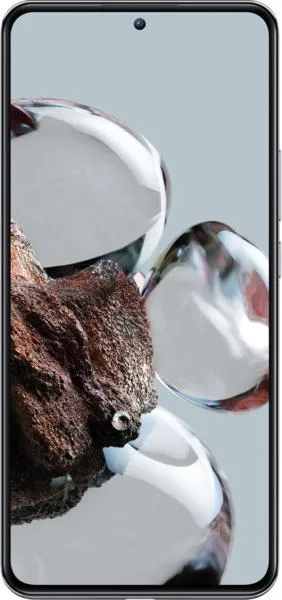
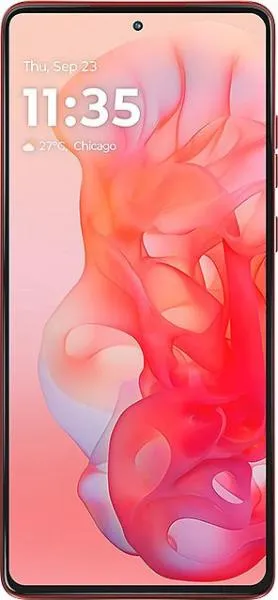
Xiaomi 12T vs. Motorola Moto G Stylus 5G (2024): A Deep Dive
Let's dissect the Xiaomi 12T and the Motorola Moto G Stylus 5G (2024) to see which phone reigns supreme. Forget the marketing fluff; we're going deep into the specs and their real-world impact.
1. Specifications Breakdown
| Feature | Xiaomi 12T | Motorola Moto G Stylus 5G (2024) | Real-World Implications |
|---|---|---|---|
| Design | |||
| Dimensions (mm) | 163.1 x 75.9 x 8.6 | 162.6 x 74.8 x 8.3 | Moto is slightly smaller, potentially more pocketable. |
| Weight (g) | 202 | 190 | Moto is noticeably lighter, reducing hand fatigue. |
| Display | |||
| Type | AMOLED | pOLED | Both offer vibrant colors and deep blacks, but AMOLED generally has slightly better brightness and outdoor visibility. |
| Size | 6.67" | 6.7" | Virtually identical screen real estate. |
| Resolution | 1220 x 2712 | 1080 x 2400 | Xiaomi boasts significantly sharper visuals due to higher pixel density. |
| Refresh Rate | 120Hz | 120Hz | Both offer smooth scrolling and animations. |
| Peak Brightness | (Unspecified) | 1200 nits | Moto's specified peak brightness suggests better sunlight readability. |
| Performance | |||
| Chipset | Dimensity 8100 Ultra | Snapdragon 6 Gen 1 | Xiaomi's Dimensity 8100 Ultra generally offers superior performance in benchmarks and demanding tasks. |
| CPU | Octa-core (4x2.85 GHz A78 & 4x2.0 GHz A55) | Octa-core (4x2.2 GHz A78 & 4x1.8 GHz A55) | Xiaomi's higher clock speeds translate to faster processing. |
| GPU | Mali-G610 MC6 | Adreno 710 | Xiaomi likely holds an edge in graphics-intensive applications and gaming. |
| RAM | 8GB | 8GB | Both offer ample RAM for multitasking. |
| Camera | |||
| Main Camera | 108MP (Samsung HM6) | 50MP (Sony LYT-700C) | Higher megapixel count on the Xiaomi doesn't guarantee better photos; sensor and processing play a crucial role. Sony sensors are often renowned for their image quality. |
| Video | 4K@30fps with HDR | 4K@30fps | Xiaomi offers HDR video recording for enhanced dynamic range. |
| Battery Life | |||
| Capacity | 5000mAh | 5000mAh | Similar battery capacities suggest comparable longevity, but real-world usage will vary. |
2. Key Insights
The Xiaomi 12T prioritizes performance and a premium display. Its Dimensity 8100 Ultra chipset, high-resolution AMOLED screen, and 120Hz refresh rate deliver a flagship-level experience. The 108MP camera, while not solely defined by megapixels, offers versatility.
The Moto G Stylus 5G (2024) caters to a different audience. Its integrated stylus opens up possibilities for note-taking, sketching, and precise interactions. While its Snapdragon 6 Gen 1 chipset isn't as powerful as the Xiaomi's, it should handle everyday tasks with ease. The lighter weight and potentially brighter display are also noteworthy advantages.
3. User Profiles and Recommendations
Xiaomi 12T: Ideal for power users, gamers, and multimedia enthusiasts who demand top-tier performance and a vibrant display.
Moto G Stylus 5G (2024): Perfect for students, artists, and productivity-focused individuals who value the stylus functionality, a lighter device, and all-day battery life. Price-conscious buyers seeking a well-rounded 5G phone with unique features will also find this appealing.
4. Buying Decision Framework
1. Is peak performance a priority? If yes, the Xiaomi 12T is the clear winner.
2. Do you need a stylus for note-taking or creative work? If yes, the Moto G Stylus 5G is your go-to device.
3. What's your budget? While both are mid-range, the Moto G Stylus is generally more affordable.
My Choice: Xiaomi 12T
While the Moto G Stylus 5G (2024) offers compelling features like the stylus and a lighter build, I'd choose the Xiaomi 12T. As a tech enthusiast, I prioritize raw performance and a sharp display. The Dimensity 8100 Ultra's superior processing power, coupled with the stunning AMOLED screen and 120Hz refresh rate, creates a more immersive and responsive experience. While I appreciate the utility of a stylus, it's not a feature I personally require. The Xiaomi 12T's performance advantages outweigh the Moto's unique features for my specific needs. Ultimately, the decision hinges on individual priorities and how each phone aligns with your usage patterns.
