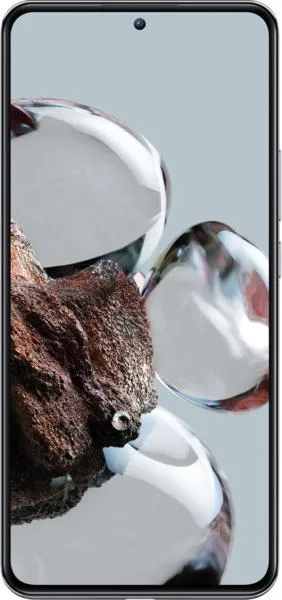
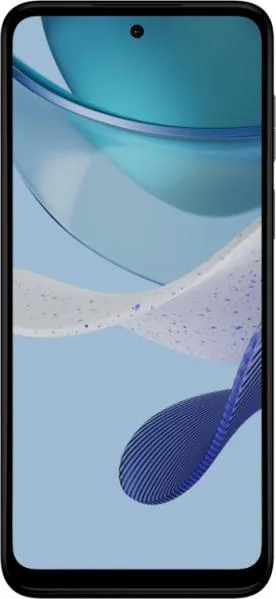
Xiaomi 12T vs. Motorola Moto G (2023): A Detailed Comparison
Let's dive into a head-to-head comparison of the Xiaomi 12T and the Motorola Moto G (2023), dissecting their specs and uncovering what they offer for different users.
1. Specifications Breakdown
| Feature | Xiaomi 12T | Motorola Moto G (2023) | Real-World Implications |
|---|---|---|---|
| Design | |||
| Dimensions (mm) | 163.1 x 75.9 x 8.6 | 164 x 75 x 8.4 | Xiaomi 12T is slightly more compact. |
| Weight (g) | 202 | 189 | Moto G is noticeably lighter, enhancing one-handed use. |
| Display | |||
| Type | AMOLED, 120Hz | IPS LCD, 120Hz | Xiaomi 12T offers deeper blacks, vibrant colors, and better outdoor visibility. Moto G's LCD is less power-hungry but less visually appealing. |
| Resolution | 1220 x 2712 (446 ppi) | 720 x 1600 (270 ppi) | Xiaomi 12T boasts significantly sharper visuals, especially noticeable in text and images. |
| HDR | HDR10+ | - | Xiaomi 12T supports HDR content for a wider dynamic range in compatible videos. |
| Performance | |||
| Chipset | MediaTek Dimensity 8100 Ultra (5 nm) | Snapdragon 480+ 5G (8 nm) | Xiaomi 12T's processor is considerably more powerful, ensuring smoother multitasking, gaming, and demanding applications. |
| CPU | Octa-core (4x2.85 GHz & 4x2.0 GHz) | Octa-core (2x2.2 GHz & 6x1.8 GHz) | Xiaomi 12T offers significantly better CPU performance. |
| GPU | Mali-G610 MC6 | Adreno 619 | Xiaomi 12T delivers a superior graphics performance for smoother gaming and faster rendering. |
| RAM | 8GB | 4GB | Xiaomi 12T's larger RAM enables seamless multitasking and app switching. |
| Camera | |||
| Main Camera | 108MP, f/1.7, OIS | 48MP, f/1.7 | Xiaomi 12T provides higher resolution and optical image stabilization for clearer photos, especially in low light. |
| Video Recording | 4K@30fps with HDR | 1080p@30fps | Xiaomi 12T offers higher resolution video recording with HDR. |
| Battery Life | |||
| Capacity | 5000 mAh | 5000 mAh | Similar battery capacities suggest comparable longevity, though real-world usage will depend on individual usage patterns. |
2. Key Insights
The Xiaomi 12T is a clear winner in terms of raw performance, display quality, and camera capabilities. Its powerful processor, high-refresh-rate AMOLED screen, and 108MP camera with OIS deliver a premium user experience.
The Moto G (2023), however, focuses on affordability. While its specs are more modest, it still offers a 120Hz display and 5G connectivity, making it a viable option for budget-conscious users.
3. User Profiles and Recommendations
Xiaomi 12T: Ideal for power users, gamers, photography enthusiasts, and anyone who values a premium display and smooth performance. It's a great choice for those who consume a lot of media or demand a device that can handle multitasking effortlessly.
Moto G (2023): Suited for casual users, budget-minded individuals, and those primarily focused on essential tasks like browsing, social media, and communication. Its lower price point makes it an attractive option for those seeking a functional 5G phone without breaking the bank.
4. Buying Decision Framework
- What's your budget? The Moto G (2023) is significantly more affordable.
- What are your primary uses? For demanding tasks, the Xiaomi 12T excels. For basic usage, the Moto G suffices.
- How important is display and camera quality? The Xiaomi 12T offers a substantial upgrade in both areas.
My Choice: I would choose the Xiaomi 12T. While more expensive, the significant leap in performance, the stunning AMOLED display, and the superior camera system are worth the investment for me. I value a smooth, responsive experience, and the 12T's powerful hardware ensures just that. Additionally, the improved camera capabilities would cater to my interest in mobile photography. While the Moto G (2023) is a commendable budget option, the 12T aligns better with my needs and priorities as a tech enthusiast.
