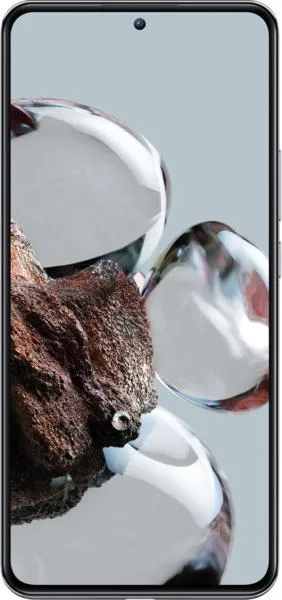
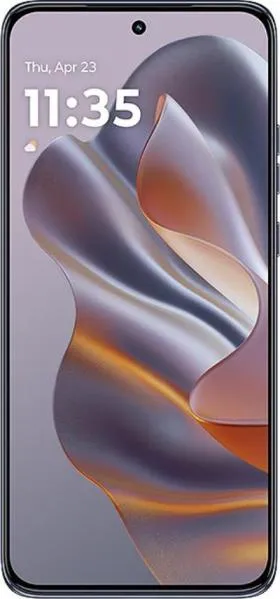
Xiaomi 12T vs. Motorola Edge 50 Neo: A Comparative Analysis
The mid-range smartphone arena is fiercely competitive, with devices constantly vying for your attention. Today, we'll dissect two contenders: the Xiaomi 12T and the Motorola Edge 50 Neo. By examining their specifications and translating them into real-world implications, we'll empower you to choose the device that best aligns with your needs.
1. Specifications Breakdown
| Feature | Xiaomi 12T | Motorola Edge 50 Neo | Real-World Implications |
|---|---|---|---|
| Design | |||
| Dimensions (mm) | 163.1 x 75.9 x 8.6 | 154.1 x 71.2 x 8.1 | Edge 50 Neo is slightly smaller and more pocketable. |
| Weight (g) | 202 | 171 | Noticeable difference in hand; Edge 50 Neo feels lighter and less bulky. |
| Display | |||
| Type | AMOLED | LTPO P-OLED | Both offer vibrant colors and deep blacks. LTPO allows for dynamic refresh rate, potentially saving battery on Edge 50 Neo |
| Size | 6.67" | 6.4" | 12T offers a larger screen for media consumption; Edge 50 Neo provides a more one-hand-friendly experience. |
| Resolution | 1220 x 2712 | 1256 x 2760 | Both are sharp and detailed; Edge 50 Neo slightly sharper due to higher pixel density. |
| Refresh Rate | 120Hz | 120Hz | Both offer smooth scrolling and animations. |
| Performance | |||
| Chipset | Dimensity 8100 Ultra (5nm) | Dimensity 7300 (4nm) | 12T boasts a slightly more powerful processor, potentially leading to better gaming and multitasking performance. Edge 50 Neo utilizes a newer chip potentially leading to better power management |
| CPU | Octa-core (4x2.85 GHz A78 & 4x2.0 GHz A55) | Octa-core (4x2.5 GHz A78 & 4x2.0 GHz A55) | Similar CPU configurations, but 12T has a higher clock speed on performance cores indicating a performance advantage. |
| RAM | 8GB | 8GB/12GB | Edge 50 Neo offers a 12GB RAM option for even smoother multitasking. |
| Camera | |||
| Main | 108MP Samsung HM6 | 50MP Sony LYT-700C | 12T boasts higher resolution, potentially capturing more detail. Sony sensor on Edge 50 Neo known for good low-light performance. |
| Video | 4K@30fps with HDR | 4K@30fps with EIS | Both can record 4K video; 12T with HDR for better dynamic range, Edge 50 Neo with EIS for smoother footage. |
| Battery Life | |||
| Capacity | 5000mAh | 4310 mAh | 12T has a larger battery capacity, potentially lasting longer on a single charge. |
2. Key Insights
- Performance: The Xiaomi 12T's Dimensity 8100 Ultra edges out the Edge 50 Neo's Dimensity 7300 in raw processing power, particularly in demanding tasks. However, the 7300 is no slouch and should handle everyday tasks with ease. The 12GB RAM option on the Edge 50 Neo could provide a significant boost for heavy multitaskers.
- Display: Both phones feature excellent displays. The 12T's larger AMOLED provides a more immersive viewing experience, while the Edge 50 Neo's LTPO P-OLED offers potential power savings due to its dynamic refresh rate technology. The choice here boils down to personal preference: larger screen or potential battery life improvements.
- Camera: The megapixel count doesn't tell the whole story. While the 12T has a 108MP sensor, the Edge 50 Neo uses a well-regarded Sony sensor known for its low-light capabilities. Real-world image quality will depend on factors beyond resolution, including image processing and lens quality.
- Battery: The Xiaomi 12T's larger 5000mAh battery is likely to provide longer endurance than the Edge 50 Neo's 4310mAh battery. However, the Edge 50 Neo's LTPO display could help offset this difference.
3. User Profiles and Recommendations
Xiaomi 12T: Ideal for power users, gamers, and those who prioritize a large, vibrant display and long battery life. The more powerful processor and larger battery make it a strong contender for demanding tasks.
Motorola Edge 50 Neo: Well-suited for users seeking a balance of performance, efficiency, and a sleek design. The potential for better battery life due to the LTPO display and a more compact form factor make it appealing for everyday use. The 12GB RAM option is a boon for multitaskers.
4. Buying Decision Framework
- What are your primary smartphone activities? Heavy gaming and media consumption favor the 12T; everyday tasks and multitasking lean towards the Edge 50 Neo (especially the 12GB version).
- How important is battery life? The 12T likely offers longer battery life based on capacity, but the Edge 50 Neo’s LTPO panel might close the gap.
- What's your budget? Consider the price difference between the two models and the RAM/storage configurations.
My Choice: The Xiaomi 12T
While the Motorola Edge 50 Neo is a compelling device, I'd choose the Xiaomi 12T. The combination of a more powerful processor, larger battery, and bigger display aligns better with my usage patterns. I prioritize performance for tasks like photo editing and occasional gaming, and I appreciate the immersive experience of a larger screen for media consumption. While the Edge 50 Neo's LTPO display is attractive, the tangible benefits of the 12T's superior processing power and battery capacity outweigh the potential power savings for me. I also value the potential for more detailed photos with the 108MP sensor, even acknowledging the Sony sensor's low-light prowess on the Edge 50 Neo.
