Xiaomi 12T vs. Motorola Edge 50 Fusion: A Deep Dive for the Discerning Smartphone User
The mid-range smartphone arena is fiercely competitive, with devices vying for your attention with compelling features and aggressive pricing. Today, we dissect two contenders: the Xiaomi 12T and the Motorola Edge 50 Fusion. Let's move beyond marketing hype and delve into the engineering realities to see which phone truly delivers.
1. Specifications Breakdown
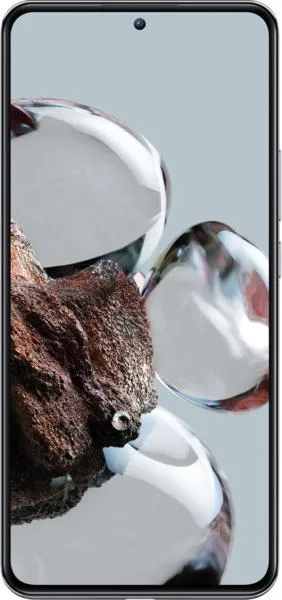
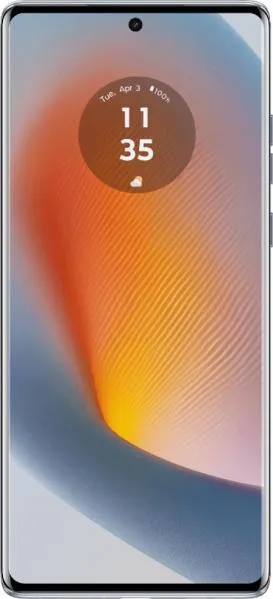
| Feature | Xiaomi 12T | Motorola Edge 50 Fusion | Real-World Implications |
|---|---|---|---|
| Design | |||
| Dimensions (mm) | 163.1 x 75.9 x 8.6 | 161.9 x 73.1 x 7.9 | Edge 50 Fusion is slightly smaller and thinner, potentially offering a more comfortable grip. |
| Weight (g) | 202 | 174.9 | Edge 50 Fusion is noticeably lighter, reducing hand fatigue during extended use. |
| Display | |||
| Type | AMOLED | pOLED | Both offer vibrant colors and deep blacks. AMOLED generally has slightly better brightness. |
| Size (inches) | 6.67 | 6.7 | Negligible size difference; both offer immersive viewing experiences. |
| Resolution | 1220 x 2712 | 1080 x 2400 | 12T boasts a sharper display with higher pixel density, resulting in crisper text and images. |
| Refresh Rate (Hz) | 120 | 120/144 (INT) | Both offer smooth scrolling and animations; Edge 50 Fusion's 144Hz option is smoother in some regions. |
| Performance | |||
| Chipset | Dimensity 8100 Ultra | Snapdragon 7s Gen 2 | Both are capable mid-range chipsets. Benchmarking would be needed for definitive performance comparison. |
| CPU | Octa-core (4x2.85 GHz Cortex-A78 & 4x2.0 GHz Cortex-A55) | Octa-core (4x2.40 GHz Cortex-A78 & 4x1.95 GHz Cortex-A55) | 12T has slightly higher clock speeds, potentially offering a performance edge in demanding tasks. |
| RAM (GB) | 8 | 8/12 | Edge 50 Fusion offers a 12GB RAM option, beneficial for heavy multitasking. |
| Camera | |||
| Main Camera (MP) | 108 | 50 | 12T boasts higher resolution, potentially capturing more detail. Real-world image quality depends on sensor and processing. |
| Battery Life | |||
| Capacity (mAh) | 5000 | 5000 | Both have large batteries, suggesting comparable all-day endurance. Actual battery life depends on usage patterns. |
2. Key Insights
The Xiaomi 12T shines with its sharper, higher-resolution display and potentially more powerful processor, promising a premium visual and performance experience. The Motorola Edge 50 Fusion counters with a lighter, more compact design, a higher refresh rate display in some regions (144Hz), and larger RAM options for smoother multitasking. The camera comparison is complex; while the 12T has a higher megapixel count, real-world image quality depends heavily on sensor quality, image processing, and software optimization.
3. User Profiles and Recommendations
Xiaomi 12T: Ideal for users prioritizing a sharp, vibrant display and robust performance for demanding tasks like gaming and content creation.
Motorola Edge 50 Fusion: Well-suited for users seeking a comfortable, lightweight phone with smooth performance for everyday tasks, social media, and casual gaming. The larger RAM options are a bonus for power users.
4. Buying Decision Framework
- Are you a stickler for display sharpness and detail? The 12T's higher resolution display will be more appealing.
- Do you prioritize a lightweight and comfortable phone for extended use? The Edge 50 Fusion's ergonomics win out.
- Is heavy multitasking a priority? The Edge 50 Fusion's 12GB RAM option offers a significant advantage.
My Choice: Xiaomi 12T
While the Motorola Edge 50 Fusion is a compelling device, I'd choose the Xiaomi 12T. The deciding factor for me is the combination of the higher resolution AMOLED display and the potentially more powerful Dimensity 8100 Ultra processor. As someone who consumes a lot of media and appreciates a fluid user experience, the 12T's superior display and performance capabilities align more closely with my needs. The slight increase in weight is a trade-off I'm willing to make for the enhanced visual and processing power. Although benchmark comparisons would be necessary to confirm the performance difference, the 12T's specifications suggest a more responsive and future-proof device for demanding applications.
