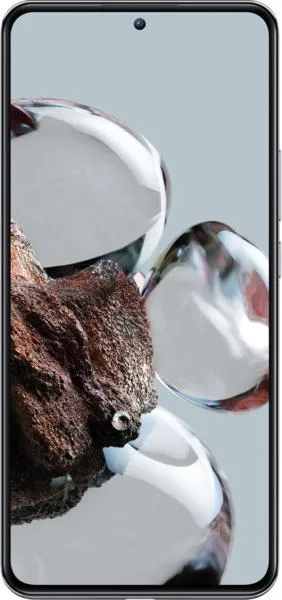
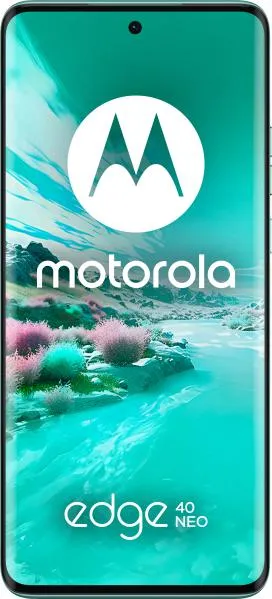
Xiaomi 12T vs. Motorola Edge 40 Neo: A Comparative Analysis
Let's dive deep into a head-to-head comparison of the Xiaomi 12T and the Motorola Edge 40 Neo, dissecting their specifications and uncovering what they truly offer in real-world usage.
1. Specifications Breakdown
| Feature | Xiaomi 12T | Motorola Edge 40 Neo | Real-World Implications |
|---|---|---|---|
| Design | |||
| Dimensions (mm) | 163.1 x 75.9 x 8.6 | 159.6 x 72 x 7.9 | Edge 40 Neo is slightly more compact and lighter, improving one-handed usability. |
| Weight (g) | 202 | 170 | Noticeably lighter feel in hand for the Edge 40 Neo. |
| Display | |||
| Type | AMOLED | pOLED | Both offer vibrant colors and deep blacks; pOLED might be slightly more power-efficient. |
| Size | 6.67" | 6.55" | Negligible difference in screen real estate. |
| Resolution | 1220 x 2712 | 1080 x 2400 | Sharper image on the 12T due to higher pixel density. |
| Refresh Rate | 120Hz | 144Hz | Smoother animations and scrolling on the Edge 40 Neo, especially in gaming. |
| Performance | |||
| Chipset | Dimensity 8100 Ultra | Dimensity 7030 | 8100 Ultra offers significantly better CPU and GPU performance. |
| CPU | Octa-core (4x2.85 GHz A78 & 4x2.0 GHz A55) | Octa-core (2x2.5 GHz A78 & 6x2.0 GHz A55) | 12T will handle demanding tasks and multitasking more efficiently. |
| RAM | 8GB | 12GB | More RAM on the Edge 40 Neo could benefit heavy multitaskers, but the 12T's chip is more powerful overall. |
| Camera | |||
| Main Sensor | 108MP Samsung HM6 | 50MP Omnivision OV50A | 12T boasts higher resolution, potentially capturing more detail. |
| Video | 4K@30fps with HDR | 4K@30fps with EIS | Both offer 4K recording; 12T has HDR, while Edge 40 Neo has EIS for smoother footage. |
| Battery Life | |||
| Capacity | 5000mAh | 5000mAh | Similar battery capacity suggests comparable longevity. |
2. Key Insights
- Performance: The Xiaomi 12T's Dimensity 8100 Ultra significantly outperforms the Edge 40 Neo's Dimensity 7030. This translates to faster app loading, smoother gaming, and better handling of demanding tasks.
- Display: While both displays are excellent, the 12T offers a sharper image thanks to its higher resolution. However, the Edge 40 Neo's 144Hz refresh rate provides a noticeably smoother visual experience, especially beneficial for gamers.
- Camera: The 12T features a higher-resolution main camera sensor (108MP vs. 50MP). In theory, this allows for capturing more detail. However, real-world image quality depends on various factors beyond resolution, including image processing. The Edge 40 Neo focuses on video stabilization (EIS) which is crucial for capturing smooth footage.
- Design and Build: The Edge 40 Neo is lighter and more compact, making it more comfortable for one-handed use.
3. User Profiles and Recommendations
- Xiaomi 12T: Ideal for users who prioritize raw performance, a sharp display, and potentially superior camera detail. Power users, mobile gamers, and content creators would appreciate the 12T's capabilities.
- Motorola Edge 40 Neo: Best suited for users who value a smooth display experience, a lightweight and compact design, and reliable battery life. Casual gamers, social media enthusiasts, and those who prioritize comfortable one-handed use might prefer the Edge 40 Neo.
4. Buying Decision Framework
- What are your performance needs? If you require top-tier processing power for demanding tasks and gaming, the 12T is the clear winner.
- How important is display smoothness? For the smoothest possible scrolling and gaming experience, the Edge 40 Neo's 144Hz refresh rate is a significant advantage.
- What is your budget? Considering the price difference (if any), which phone offers the best value for your specific needs?
My Choice: The Xiaomi 12T
While the Motorola Edge 40 Neo boasts a smoother display and a more comfortable design, I would choose the Xiaomi 12T. The significant performance advantage offered by the Dimensity 8100 Ultra is a deciding factor for me. As someone who frequently multitasks, uses demanding applications, and appreciates responsive performance, the 12T aligns better with my usage patterns. The sharper display, while not as smooth, is still excellent, and the potential for higher detail in photos is appealing. I'm willing to compromise slightly on weight and one-handed usability for the significant boost in overall performance.
