Xiaomi 12T vs. Motorola Edge 40: A Deep Dive for the Discerning Smartphone User
Hello, fellow tech enthusiasts! Alex Griffin here, your friendly neighborhood tech journalist, ready to dissect the Xiaomi 12T and the Motorola Edge 40. Let's cut through the marketing fluff and see how these mid-range contenders stack up in the real world.
1. Specifications Breakdown
| Feature | Xiaomi 12T | Motorola Edge 40 | Real-World Implications |
|---|---|---|---|
| Design | |||
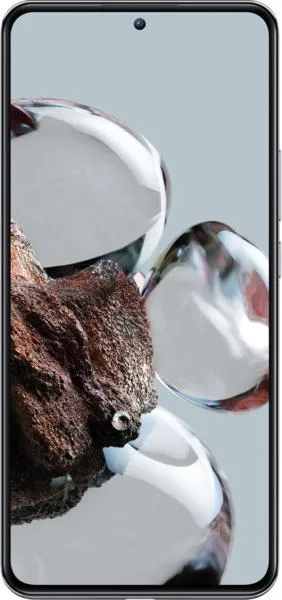
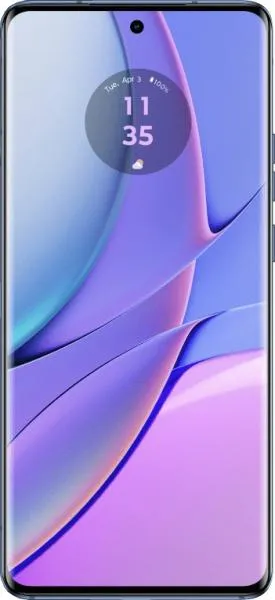
| Dimensions (mm) | 163.1 x 75.9 x 8.6 | 158.4 x 72 x 7.6 | Edge 40 is noticeably more compact and lighter, enhancing one-handed usability. |
| Weight (g) | 202 | 167 | Significant weight difference; Edge 40 feels less bulky in pockets and during extended use. |
| Display | |||
| Display Type | AMOLED, 120Hz | pOLED, 144Hz | Both offer vibrant colors and deep blacks; Edge 40's higher refresh rate results in smoother animations and scrolling, particularly noticeable in gaming. Xiaomi 12T has more screen real estate. |
| Resolution | 1220 x 2712 | 1080 x 2400 | Xiaomi 12T boasts sharper visuals due to higher pixel density; however, the difference may not be discernible in everyday use. |
| Peak Brightness | 500nits(typ), 900nits(peak) | 1200 nits | Edge 40 excels in outdoor visibility, especially under direct sunlight. |
| Performance | |||
| Chipset | Dimensity 8100 Ultra | Dimensity 8020 | Both chipsets deliver solid mid-range performance; benchmarks suggest the 8100 Ultra might have a slight edge in raw power and efficiency. |
| CPU | Octa-core (4x2.85 GHz & 4x2.0 GHz) | Octa-core (4x2.6 GHz & 4x2.0 GHz) | Comparable CPU configurations; real-world performance differences likely negligible for average users. |
| RAM | 8GB | 8GB | Both offer ample RAM for multitasking and smooth app switching. |
| Camera | |||
| Main Camera | 108MP, f/1.7 | 50MP, f/1.4 | Xiaomi 12T boasts higher resolution; Edge 40 utilizes a larger sensor and wider aperture for potentially better low-light performance. Real-world image quality will depend on processing algorithms. |
| Ultrawide | 8MP, f/2.2 | 13MP, f/2.2 | Edge 40's ultrawide offers higher resolution. |
| Battery Life | |||
| Capacity | 5000mAh | 4400mAh | Xiaomi 12T's larger battery likely translates to longer usage time on a single charge. Edge 40 is faster charging (68W). |
2. Key Insights
Design and Display: The Edge 40 is a clear winner in portability and in-hand feel. Its slim profile and lighter weight make it more comfortable for daily use. While the Xiaomi 12T has a slightly sharper display due to its higher resolution, the Edge 40's 144Hz refresh rate delivers a noticeably smoother user experience.
Performance: Both phones offer comparable performance for everyday tasks. The slight differences in benchmark scores between the Dimensity 8100 Ultra and 8020 are unlikely to be perceptible in typical usage scenarios.
Camera: The megapixel count might favor the Xiaomi 12T, but the Edge 40's wider aperture on the main camera could potentially result in superior low-light photos. This is a category where real-world testing would be crucial to determine a clear winner.
Battery: The Xiaomi 12T's larger 5000mAh battery likely provides longer endurance. However, the Edge 40 supports faster charging, mitigating downtime.
3. User Profiles and Recommendations
Xiaomi 12T: Best suited for users prioritizing battery life, a sharp display, and a high-resolution main camera. Ideal for power users, gamers, and those who consume a lot of media.
Motorola Edge 40: Ideal for users who value a compact and lightweight design, a super-smooth display, and faster charging. A great choice for those seeking a stylish and comfortable phone for everyday use.
4. Buying Decision Framework
What matters most: portability or battery life? If a slim and light phone is paramount, the Edge 40 wins. If all-day battery life is a necessity, the Xiaomi 12T is the better choice.
Are you a heavy gamer or media consumer? The Edge 40's 144Hz display offers a smoother experience for gaming and media consumption. The Xiaomi 12T has more screen real estate, which some may prefer.
What's your budget? Considering the price difference, if any, which phone offers the best value for your specific needs?
My Choice: The Motorola Edge 40
For me, the Motorola Edge 40 edges out the Xiaomi 12T. I prioritize a comfortable in-hand feel and a smooth display experience above raw specs. The Edge 40's slimmer profile, lighter weight, and incredibly fluid 144Hz refresh rate make it a winner in my book. While the Xiaomi 12T boasts a larger battery, the Edge 40's faster charging makes the slightly smaller battery less of a concern for me. Ultimately, the Edge 40 strikes a better balance of design, performance, and features for my personal preferences and usage patterns.
