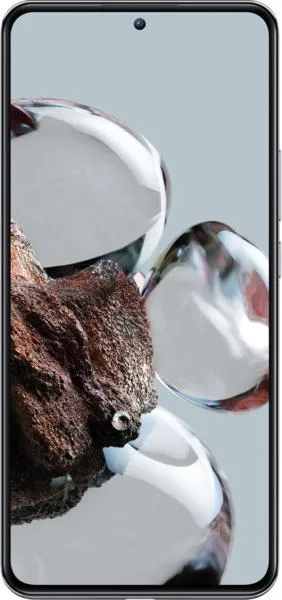
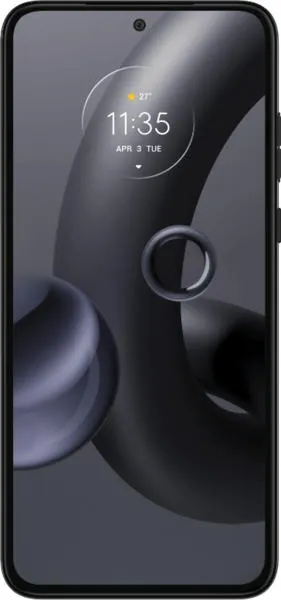
Xiaomi 12T vs. Motorola Edge 30 Neo: A Deep Dive for the Discerning Smartphone User
The mid-range smartphone arena is fiercely competitive, with devices constantly vying for your attention. Today, we dissect two contenders: the Xiaomi 12T and the Motorola Edge 30 Neo. We'll go beyond the spec sheet, translating technical jargon into real-world implications to help you choose the perfect fit.
1. Specifications Breakdown
| Feature | Xiaomi 12T | Motorola Edge 30 Neo | Real-World Implications |
|---|---|---|---|
| Design | |||
| Dimensions (mm) | 163.1 x 75.9 x 8.6 | 152.9 x 71.2 x 7.8 | Edge 30 Neo is noticeably smaller and lighter, improving one-handed use. |
| Weight (g) | 202 | 155 | Significant weight difference; Edge 30 Neo is more pocketable. |
| Display | |||
| Type | AMOLED, 120Hz | pOLED, 120Hz | Both offer smooth scrolling and vibrant colors; AMOLED generally has deeper blacks. |
| Size (inches) | 6.67 | 6.28 | 12T offers a larger screen for media consumption. |
| Resolution | 1220 x 2712 | 1080 x 2400 | 12T boasts sharper visuals due to higher resolution. |
| Performance | |||
| Chipset | Dimensity 8100 Ultra (5nm) | Snapdragon 695 5G (6nm) | 12T's Dimensity 8100 Ultra generally provides significantly better performance in benchmarks and demanding tasks. |
| CPU | Octa-core (4x2.85 GHz A78 & 4x2.0 GHz A55) | Octa-core (2x2.2 GHz Kryo 660 & 6x1.7 GHz Kryo 660) | 12T's CPU configuration suggests superior multi-core performance. |
| GPU | Mali-G610 MC6 | Adreno 619 | 12T likely offers better gaming and graphics performance. |
| RAM | 8GB | 8GB | Both offer ample RAM for multitasking. |
| Camera | |||
| Main Sensor | 108MP, Samsung HM6 | 64MP, OmniVision OV64B | 12T has a higher resolution main sensor, potentially capturing more detail. |
| Video | 4K@30fps with HDR | 1080p@120fps | 12T offers higher resolution video recording; Edge 30 Neo excels in slow-motion. |
| Battery Life | |||
| Capacity | 5000mAh | 4020mAh | 12T likely provides longer battery life due to larger capacity. |
2. Key Insights
The Xiaomi 12T flexes its muscles with a superior processor, delivering a noticeable performance advantage for demanding tasks and gaming. Its higher-resolution display and larger battery also cater to power users. However, its size and weight might not appeal to everyone.
The Motorola Edge 30 Neo prioritizes portability and style. While its performance is respectable for everyday use, it's not in the same league as the 12T. Its strengths lie in its compact form factor, lighter weight, and vibrant color options.
3. User Profiles and Recommendations
Xiaomi 12T: Ideal for users who prioritize performance, a large screen for media consumption, and long battery life. Gamers, content creators, and multitaskers will appreciate its raw power.
Motorola Edge 30 Neo: Perfect for users who value a compact and lightweight phone that's easy to handle. Its stylish design and decent performance make it a good choice for casual users and those focused on aesthetics.
4. Buying Decision Framework
What's your performance priority? Heavy gaming or multitasking? The 12T is the clear winner. Primarily social media, browsing, and casual photography? The Edge 30 Neo suffices.
How important is portability? Do you prefer a phone that easily slips into your pocket and is comfortable for one-handed use? The Edge 30 Neo excels here.
What's your budget? Considering the price difference, does the 12T's performance premium justify the extra cost?
My Choice: The Xiaomi 12T
While I appreciate the Motorola Edge 30 Neo's sleek design and portability, I lean towards the Xiaomi 12T. As a tech journalist, I often push my devices to their limits, and the 12T's superior performance, larger battery, and sharper display are crucial for my workflow. The extra weight is a minor trade-off for the significant performance gains and longevity the 12T promises. I value having headroom for demanding tasks and future-proofing my device, making the 12T the more compelling choice for my needs.
