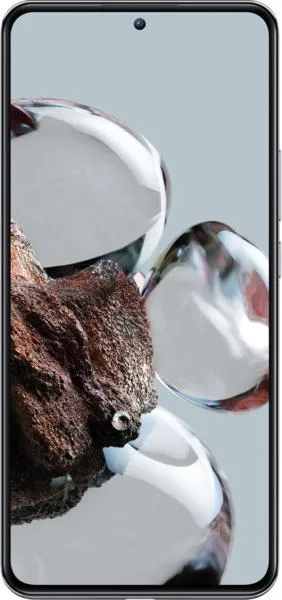
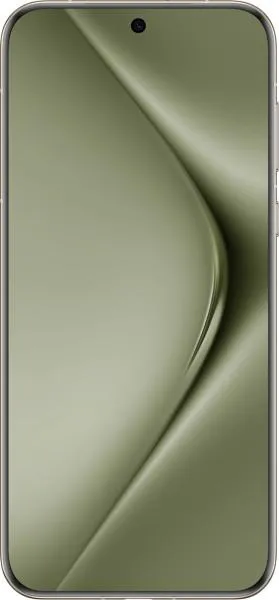
Xiaomi 12T vs. Huawei Pura 70 Ultra: A Deep Dive
Let's dissect the Xiaomi 12T and the Huawei Pura 70 Ultra, two compelling smartphones with distinct strengths. My goal is to help you understand not just their specs, but how those specs translate into real-world experiences.
1. Specifications Breakdown
| Feature | Xiaomi 12T | Huawei Pura 70 Ultra | Real-World Implications |
|---|---|---|---|
| Design | |||
| Dimensions (mm) | 163.1 x 75.9 x 8.6 | 162.6 x 75.1 x 8.4 | Pura 70 Ultra slightly smaller, negligible difference |
| Weight (g) | 202 | 226 | 12T noticeably lighter for extended use |
| Display | |||
| Size (inches) | 6.67 | 6.8 | Pura 70 Ultra offers a slightly larger viewing area |
| Resolution (px) | 1220 x 2712 | 1260 x 2844 | Both sharp; Pura 70 Ultra marginally sharper |
| Type | AMOLED | LTPO OLED | Pura 70 Ultra's LTPO allows for dynamic refresh rate, saving battery |
| Refresh Rate (Hz) | 120 | 120 | Smooth scrolling and animations on both |
| Peak Brightness (nits) | 500 (typ), 900 (peak) | 2500 (peak) | Pura 70 Ultra significantly brighter outdoors |
| Performance | |||
| Chipset | Dimensity 8100 Ultra | Kirin 9010 | Both powerful, but Kirin 9010 potentially offers higher peak performance |
| CPU | Octa-core (Cortex-A78 & A55) | Octa-core (Taishan & Cortex-A510) | Both handle demanding tasks well; architectural differences might favor specific workloads |
| RAM (GB) | 8 | 16 | Pura 70 Ultra's doubled RAM allows for more aggressive multitasking |
| Camera | |||
| Main Camera (MP) | 108 | 50 | 12T higher megapixel count; Pura 70 Ultra utilizes a larger 1-inch sensor, potentially better low-light performance |
| Sensor Size | 1/1.67\" | 1\" | Pura 70 Ultra's larger sensor captures more light, improving image quality |
| Ultrawide (MP) | 8 | 40 | 12T lower resolution; Pura 70 Ultra offers significantly higher resolution ultrawide |
| Telephoto (MP) | N/A | 50 | Pura 70 Ultra offers superior zoom capabilities |
| Battery Life | |||
| Capacity (mAh) | 5000 | 5200 | Pura 70 Ultra slightly larger battery |
| Charging | 120W HyperCharge | Unknown | 12T boasts incredibly fast charging; Pura 70 Ultra charging speed unspecified |
| Price | Medium | High | Significant price difference, 12T offers better value |
2. Key Insights
- Display: The Pura 70 Ultra's LTPO OLED panel and drastically higher peak brightness are major advantages for outdoor visibility and battery efficiency. While the 12T's AMOLED display is excellent, the Pura 70 Ultra provides a tangible upgrade.
- Performance: Both chipsets deliver flagship-level performance, but the Kirin 9010 in the Pura 70 Ultra, combined with 16GB of RAM, likely edges out the 12T in demanding tasks and sustained performance.
- Camera: The Pura 70 Ultra boasts a superior camera system thanks to its large 1-inch main sensor and a high-resolution ultrawide lens. While the 12T's 108MP sensor offers high resolution, the Pura 70 Ultra's sensor size and advanced features likely result in better overall image quality, especially in low light. The dedicated telephoto lens gives the Pura 70 Ultra a clear advantage in zoom capabilities.
- Battery & Charging: While the Pura 70 Ultra has a slightly larger battery, the 12T's 120W HyperCharge is a game-changer, delivering incredibly fast top-ups.
3. User Profiles and Recommendations
- Xiaomi 12T: Best for budget-conscious users who prioritize value, fast charging, and a great overall experience. Ideal for social media, gaming, and everyday tasks.
- Huawei Pura 70 Ultra: Best for users who demand the absolute best in display, camera, and performance, regardless of price. Perfect for power users, photographers, and content creators.
4. Buying Decision Framework
- What's your budget? The 12T offers exceptional value, while the Pura 70 Ultra comes at a premium.
- Are camera and display quality your top priorities? If so, the Pura 70 Ultra's advancements in these areas are worth considering.
- How important is fast charging? The 12T's 120W HyperCharge significantly reduces downtime.
My Choice: While I admire the Pura 70 Ultra's cutting-edge technology, I would choose the Xiaomi 12T. Its blend of performance, fast charging, and a more affordable price makes it the more compelling option for my needs. The Pura 70 Ultra's superior camera and display are tempting, but the price jump doesn't justify the difference for my personal usage. I value the 12T's speed, efficiency, and overall value proposition. Ultimately, the "best" phone depends on individual priorities and budget constraints.
