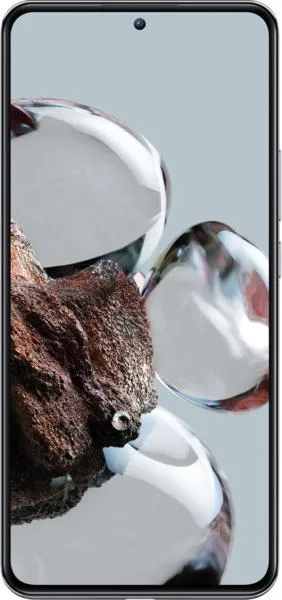
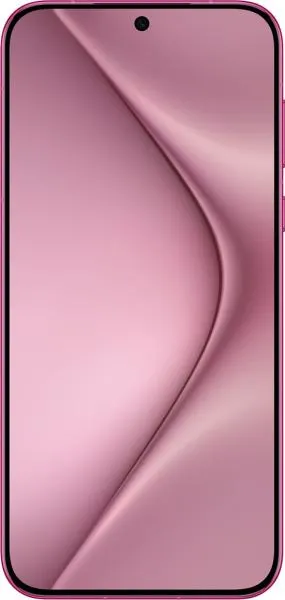
Xiaomi 12T vs. Huawei Pura 70: A Deep Dive for the Discerning Smartphone User
Hello, fellow tech explorers! Alex Griffin here, ready to dissect the Xiaomi 12T and the Huawei Pura 70. We'll go beyond the spec sheets to uncover what these phones really offer in terms of daily use. Let's get started!
1. Specifications Breakdown
| Feature | Xiaomi 12T | Huawei Pura 70 | Real-World Implications | |||||
|---|---|---|---|---|---|---|---|---|
| Design | ||||||||
| Dimensions (mm) | 163.1 x 75.9 x 8.6 | 157.6 x 74.3 x 8 | Pura 70 slightly smaller and thinner, potentially more pocketable. | |||||
| Weight (g) | 202 | 207 | Negligible difference in weight. | |||||
| Display | ||||||||
| Type | AMOLED | LTPO OLED | Both offer vibrant colors and deep blacks. LTPO allows for dynamic refresh rate, saving battery. | |||||
| Size (inches) | 6.67 | 6.6 | Virtually identical screen real estate. | |||||
| Resolution | 1220 x 2712 | 1256 x 2760 | Both are sharp and detailed; Pura 70 slightly sharper. | |||||
| Refresh Rate (Hz) | 120 | 120 | Smooth scrolling and animations on both. | |||||
| Peak Brightness | 900 nits (peak) | 2500 nits (peak) | Pura 70 significantly brighter for excellent outdoor visibility. | |||||
| Performance | ||||||||
| Chipset | Dimensity 8100 Ultra | Kirin 9000S1 | Both are powerful, but Kirin's real-world performance needs further testing. | |||||
| CPU | Octa-core (Cortex A78/A55) | Octa-core | Specific core configuration for Kirin unclear, hindering detailed comparison. | |||||
| RAM (GB) | 8 | 12 | Pura 70 has more RAM for better multitasking and future-proofing. | GPU | Mali-G610 MC6 | Maleoon 910 | Mali GPU generally well-regarded, Maleoon 910 is an unknown quantity. Real-world gaming performance will be crucial. | |
| Camera | ||||||||
| Main Camera (MP) | 108 MP, Samsung HM6 | 50 MP, Omnivision OV50H | Megapixels aren't everything; sensor size and processing matter more. Xiaomi's larger sensor promising, but Huawei's f/1.4 aperture could excel in low light. | |||||
| Battery Life | ||||||||
| Capacity (mAh) | 5000 | 4900 | Negligible difference; real-world usage will determine battery life. | |||||
| Charging | 120W Fast Charging | No data | Xiaomi's 120W charging is incredibly fast. | |||||
| Software | Android 12, up to 14 | Unknown | Xiaomi has a clear advantage with established Android updates. Huawei's OS and app ecosystem remain uncertain. | |||||
| Price | Medium | Medium | Exact pricing will be crucial for final value assessment. |
2. Key Insights
Display: The Pura 70 boasts a significantly brighter display, ideal for outdoor use. Its LTPO panel enables dynamic refresh rate adjustment, potentially improving battery life. Xiaomi's AMOLED display still offers vibrant colors and a fast 120Hz refresh rate.
Performance: Both chipsets aim for high performance. The Kirin 9000S1 is newer, but its real-world performance remains to be seen. The Xiaomi 12T's Dimensity 8100 Ultra has a proven track record of solid performance. The Pura 70's 12GB RAM provides a significant multitasking advantage.
Camera: While the Xiaomi 12T boasts a higher megapixel count, the Huawei Pura 70 uses a larger sensor with a wider f/1.4 aperture potentially capturing more light in challenging conditions. Real-world image quality comparisons will be essential.
Software: Xiaomi's advantage lies in its established Android ecosystem with guaranteed updates. Huawei's software situation is less clear, lacking information about the OS and app availability. This is a major consideration.
3. User Profiles and Recommendations
Xiaomi 12T: Suited for users seeking a well-rounded phone with a proven track record in performance, a great display, and fast charging. Ideal for gamers, content consumers, and those prioritizing a reliable software experience.
Huawei Pura 70: Potentially a strong contender for users prioritizing an exceptionally bright display and ample RAM for multitasking. Its camera could be a dark horse, but the uncertain software situation is a significant concern. Best suited for those willing to take a chance on Huawei's ecosystem.
4. Buying Decision Framework
- Is a guaranteed Android experience with app access crucial? If yes, the Xiaomi 12T is the safer bet.
- Is outdoor visibility a top priority? The Pura 70's exceptional brightness is a game-changer in sunlight.
- How important is having the absolute latest hardware? The Pura 70 uses a newer chipset and more RAM, but with unknown real-world performance.
My Choice: The Xiaomi 12T
While the Huawei Pura 70 intrigues with its bright display and powerful hardware on paper, the lack of clarity surrounding its operating system and app ecosystem is a dealbreaker for me. The Xiaomi 12T offers a more reliable and predictable user experience with proven performance, a vibrant display, incredibly fast charging, and a clear upgrade path with Android updates. For me, the peace of mind and access to the full Android app ecosystem outweigh the potential advantages of the Pura 70.
