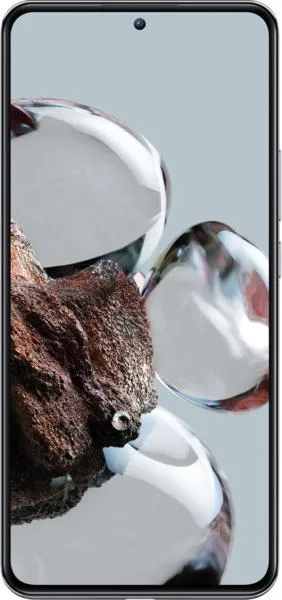
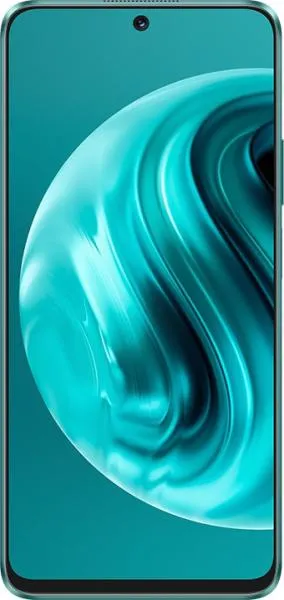
Xiaomi 12T vs. Huawei nova 12i: A Deep Dive for the Discerning Smartphone User
Hello fellow tech enthusiasts! Alex Griffin here, ready to dissect the Xiaomi 12T and the Huawei nova 12i. We'll go beyond the spec sheets to uncover what these phones truly offer in the real world. Let's get started!
1. Specifications Breakdown
| Feature | Xiaomi 12T | Huawei nova 12i | Real-World Implications | |
|---|---|---|---|---|
| Design | ||||
| Dimensions (mm) | 163.1 x 75.9 x 8.6 | 163.3 x 74.7 x 8.4 | Near identical size and feel in hand. | |
| Weight (g) | 202 | 199 | Negligible weight difference. | |
| Display | ||||
| Type | AMOLED, 120Hz | IPS LCD, 90Hz | Xiaomi offers richer blacks, smoother scrolling, and potentially better outdoor visibility. | |
| Resolution | 1220 x 2712 | 1080 x 2388 | Sharper, more detailed visuals on the Xiaomi (446 ppi vs 391 ppi). | |
| HDR | HDR10+, 500/900 nits | - | Superior dynamic range and brighter highlights for content consumption on the Xiaomi. | |
| Performance | ||||
| Chipset | Dimensity 8100 Ultra (5nm) | Snapdragon 680 4G (6nm) | Significantly faster processing and graphics performance on the Xiaomi for demanding tasks and gaming. | |
| CPU | Octa-core (4x2.85 GHz A78 & 4x2.0 GHz A55) | Octa-core (4x2.4 GHz A73 & 4x1.9 GHz A53) | Noticeably smoother multitasking and app loading on the Xiaomi. | |
| RAM | 8GB | 8GB | Both phones offer ample RAM for everyday use. | |
| Camera | ||||
| Main Sensor | 108MP, Samsung HM6 | 108MP, Samsung HM6 | Similar main sensor resolution, but image quality will depend on processing and lens quality. | |
| Video | Up to 4K @ 30fps, HDR | Up to 1080p @ 30fps | Xiaomi offers higher resolution and HDR video recording. | |
| Battery Life | ||||
| Capacity | 5000mAh | 5000mAh | Similar battery capacity, but real-world usage will vary due to chipset efficiency and display tech. |
2. Key Insights
The Xiaomi 12T is the clear performance champion, thanks to its powerful Dimensity 8100 Ultra chipset and superior AMOLED display. This translates to a smoother, more responsive user experience, especially when gaming or running demanding applications. The 120Hz display further enhances this fluidity, making scrolling and animations feel incredibly smooth. The camera system, while sharing the same primary sensor resolution with the nova 12i, benefits from Xiaomi's advanced image processing and offers 4K HDR video recording.
The Huawei nova 12i, while less powerful, offers a compelling value proposition. Its Snapdragon 680 is sufficient for everyday tasks like browsing, social media, and light gaming. The key trade-offs are the IPS LCD display with a lower refresh rate and the less capable video recording capabilities. However, the nova 12i still boasts a large battery and a high-resolution main camera sensor.
3. User Profiles and Recommendations
Xiaomi 12T: Ideal for power users, gamers, and multimedia enthusiasts who prioritize performance, a vibrant display, and high-quality content creation.
Huawei nova 12i: Suited for budget-conscious users who prioritize battery life, a large screen, and casual photography for everyday use. Those who value a seamless software experience with Google services should be aware of Huawei's current limitations in this area.
4. Buying Decision Framework
- What is your budget? The nova 12i is generally more affordable.
- Is performance a top priority? The Xiaomi 12T significantly outperforms the nova 12i.
- Do you consume a lot of media or play demanding games? The Xiaomi 12T's superior display and performance will be more enjoyable.
My Choice: The Xiaomi 12T
If it were my money, I'd opt for the Xiaomi 12T. While more expensive, the significant leap in performance, the beautiful 120Hz AMOLED display, and the superior camera capabilities make it a far more compelling device for my needs. I value a smooth and responsive user experience, especially for gaming and multitasking, and the 12T delivers that in spades. The added benefit of 4K HDR video recording further solidifies its position as the better overall package. The nova 12i is a decent phone for the price, but the 12T offers a tangible upgrade in key areas that significantly enhance daily usage.
