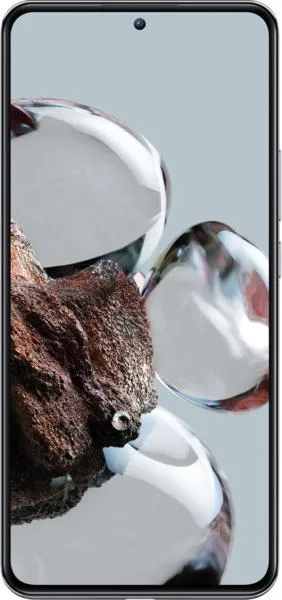
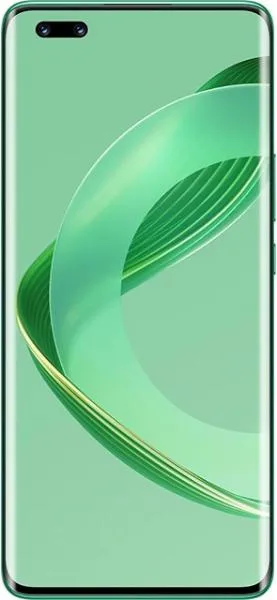
Xiaomi 12T vs. Huawei nova 11 Pro: A Deep Dive
Let's dissect the Xiaomi 12T and Huawei nova 11 Pro, two compelling mid-range contenders, to see which phone reigns supreme. We'll go beyond the spec sheet to uncover what these numbers really mean for you.
1. Specifications Breakdown
| Feature | Xiaomi 12T | Huawei nova 11 Pro | Real-World Implications |
|---|---|---|---|
| Design | |||
| Dimensions (mm) | 163.1 x 75.9 x 8.6 | 164.3 x 74.4 x 7.9 | Nova 11 Pro is slightly taller, narrower, and thinner. Negligible difference in hand feel, but Xiaomi 12T might feel slightly bulkier. |
| Weight (g) | 202 | 188 | Nova 11 Pro is noticeably lighter, reducing hand fatigue during extended use. |
| Display | |||
| Size (inches) | 6.67 | 6.78 | Nova 11 Pro offers a marginally larger screen, providing a slightly more immersive experience. |
| Resolution | 1220 x 2712 | 1200 x 2652 | Xiaomi 12T boasts a slightly sharper display due to higher pixel density. Difference is subtle but may be noticeable in text and fine details. |
| Type | AMOLED | OLED | Both offer vibrant colors and deep blacks. Xiaomi 12T's AMOLED might offer slightly better power efficiency. |
| Refresh Rate (Hz) | 120 | 120 | Both deliver smooth scrolling and animations, enhancing responsiveness and gaming. |
| Performance | |||
| Chipset | Dimensity 8100 Ultra | Snapdragon 778G 4G | Xiaomi 12T's Dimensity 8100 Ultra generally offers superior CPU and GPU performance, leading to faster app loading, smoother multitasking, and better gaming. |
| RAM (GB) | 8 | 8 (varies) | Both offer ample RAM for smooth multitasking. |
| Camera | |||
| Main Camera (MP) | 108 | 50 | Xiaomi 12T's higher megapixel count potentially offers more detail in photos, particularly in good lighting. |
| Selfie Camera (MP) | 20 | 60 | Nova 11 Pro's higher resolution selfie camera likely produces more detailed self-portraits. |
| Battery Life | |||
| Capacity (mAh) | 5000 | 4500 | Xiaomi 12T's larger battery capacity suggests longer usage time on a single charge. |
2. Key Insights
Performance: The Xiaomi 12T significantly outpaces the Nova 11 Pro in raw processing power thanks to the Dimensity 8100 Ultra. This translates to a noticeably smoother and faster experience, especially for demanding tasks like gaming and video editing.
Camera: While megapixels aren't everything, the Xiaomi 12T's 108MP main sensor has the potential to capture more detail. However, real-world image quality depends on factors beyond resolution, including image processing. The Nova 11 Pro shines in the selfie department with its high-resolution 60MP front camera.
Battery: The Xiaomi 12T's larger battery combined with the potentially more power-efficient AMOLED display gives it an edge in longevity.
Software and Ecosystem: A crucial difference not fully captured in the specs is the operating system. The Xiaomi 12T runs on Android with access to Google Mobile Services (GMS), while the Huawei Nova 11 Pro uses Huawei Mobile Services (HMS). This impacts app availability and overall user experience.
3. User Profiles and Recommendations
Xiaomi 12T: Ideal for power users, gamers, and those who prioritize performance and battery life. The availability of GMS also makes it a more versatile choice for most users.
Huawei nova 11 Pro: Suited for users who value a lightweight design, a strong selfie camera, and are comfortable navigating the HMS ecosystem.
4. Buying Decision Framework
Are Google apps essential to you? If yes, the Xiaomi 12T is the clear choice due to its full Android experience with GMS.
Is top-tier performance a priority? For demanding tasks, the Xiaomi 12T's Dimensity 8100 Ultra provides a significant advantage.
How important is battery life? If all-day usage on a single charge is crucial, the Xiaomi 12T's larger battery is likely to last longer.
My Choice: The Xiaomi 12T
As a tech journalist focused on practical performance, I'd choose the Xiaomi 12T. Its superior processor, larger battery, and full Android experience with GMS offer a more compelling overall package for my needs. While the Nova 11 Pro boasts a sleek design and impressive selfie camera, the performance gap and HMS limitations are significant factors for me. The Xiaomi 12T provides a more future-proof and versatile experience that aligns better with my usage patterns.
