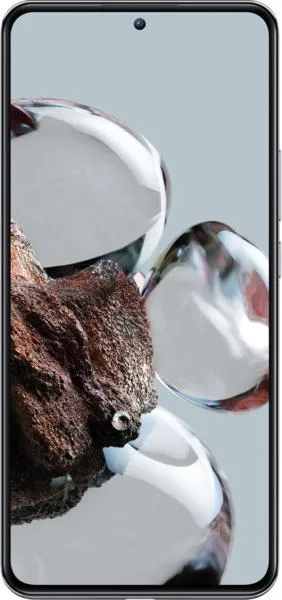
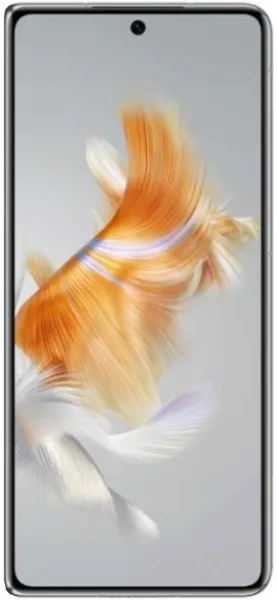
Let's dive into a comparative analysis of the Xiaomi 12T and the Huawei Mate X3, two compelling smartphones with distinct strengths.
1. Specifications Breakdown
| Feature | Xiaomi 12T | Huawei Mate X3 | Real-World Implications | |
|---|---|---|---|---|
| Design | ||||
| Dimensions (mm) | 163.1 x 75.9 x 8.6 | 156.9 x 141.5 x 5.3 (Unfolded), 156.9 x 72.4 x 11.1 (Folded) | Mate X3's foldable design offers portability when closed and a larger screen when open, but it's thicker and potentially more fragile. | |
| Weight (g) | 202 | 239 | Xiaomi 12T is noticeably lighter for everyday use. | |
| Foldable | No | Yes | Mate X3 offers a unique, expansive screen experience but with added complexity and potential durability concerns. | |
| Display | ||||
| Size (inches) | 6.67 | 7.85 (Unfolded), 6.4 (Folded) | Mate X3 boasts a significantly larger unfolded display, enhancing media consumption and multitasking. | |
| Type | AMOLED | Foldable OLED | Xiaomi 12T's AMOLED delivers vibrant colors and deep blacks. Mate X3's foldable OLED offers similar visual quality but with a crease. | |
| Refresh Rate (Hz) | 120 | 120 | Both phones offer smooth scrolling and animations. | |
| Resolution (px) | 1220 x 2712 | 2224 x 2496 (Unfolded), 1080 x 2504 (Folded) | Mate X3 has a higher resolution unfolded, resulting in sharper visuals. Xiaomi 12T's resolution is higher than the Mate X3's folded display. | |
| Performance | ||||
| Chipset | Dimensity 8100 Ultra | Snapdragon 8+ Gen 1 4G | Mate X3's Snapdragon 8+ Gen 1 generally offers better raw performance but lacks 5G connectivity. | |
| CPU | Octa-core | Octa-core | Both phones provide strong processing power for demanding tasks. | |
| GPU | Mali-G610 MC6 | Adreno 730 | Mate X3 likely edges out in graphics performance, benefiting gaming and visually intensive applications. | |
| RAM (GB) | 8 | 8/12 | Mate X3 offers a 12GB RAM option for even more demanding multitasking. | |
| Camera | ||||
| Main Camera (MP) | 108 | 50 | Xiaomi 12T boasts a higher megapixel count but sensor size and processing also play a crucial role in image quality. | |
| Battery Life | ||||
| Capacity (mAh) | 5000 | 4800 | Xiaomi 12T has a slightly larger battery capacity, potentially offering longer usage time. |
2. Key Insights
Xiaomi 12T: This phone prioritizes performance and value. Its Dimensity 8100 Ultra chipset delivers excellent speed, the 120Hz AMOLED display is visually appealing, and the 108MP camera offers impressive versatility. It also boasts a larger battery.
Huawei Mate X3: This phone is a statement piece with its innovative foldable design. The large, unfolded OLED display provides a tablet-like experience. While powerful, the lack of 5G and Google Mobile Services might be a deal-breaker for some users. The camera system, while featuring Leica lenses, may not outperform the Xiaomi 12T in all scenarios due to the lower resolution main sensor.
3. User Profiles and Recommendations
Xiaomi 12T: Ideal for users seeking a powerful, well-rounded smartphone at a more affordable price. It caters to those who prioritize performance, battery life, and a great display for everyday tasks, multimedia consumption, and mobile gaming.
Huawei Mate X3: Best suited for early adopters and users who value cutting-edge technology and a unique, expansive screen experience. It's a strong choice for productivity on the go, immersive media consumption, and those willing to compromise on certain features for the foldable form factor.
4. Buying Decision Framework
- Is a foldable design a must-have? If yes, the Mate X3 is the only option.
- Is 5G connectivity essential? If yes, the Xiaomi 12T is the better choice.
- What's your budget? The Xiaomi 12T offers excellent value in the mid-range segment, while the Mate X3 is a premium, flagship device.
My Choice: Xiaomi 12T
While the Mate X3's foldable design is undeniably cool, the Xiaomi 12T better suits my needs and priorities. As a tech journalist, 5G connectivity is crucial for me to stay connected and quickly upload content. The Xiaomi 12T's powerful processor, excellent display, long battery life, and strong camera system all packaged in a more affordable and lighter device make it a more practical and versatile choice for my daily workflow. I also appreciate the readily available Google Mobile Services, which are essential for many apps I rely on. While the Mate X3 is a technological marvel, the lack of 5G and the significantly higher price point make the Xiaomi 12T the clear winner for me.
