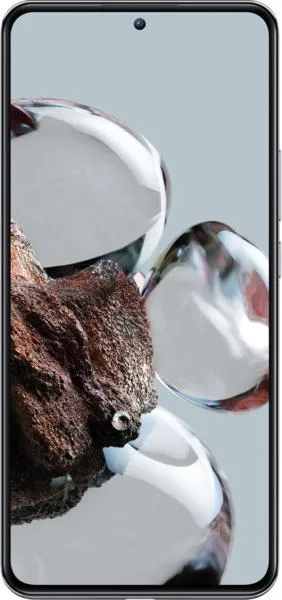
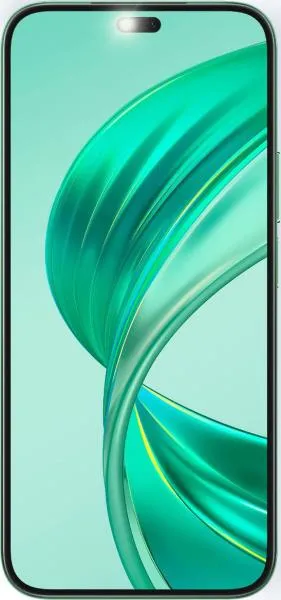
Xiaomi 12T vs. Honor X8b: A Deep Dive for the Discerning Smartphone User
Hello fellow tech enthusiasts! Today, we're dissecting two intriguing mid-range contenders: the Xiaomi 12T and the Honor X8b. Let's cut through the marketing fluff and delve into the nitty-gritty details to see which phone truly delivers.
1. Specifications Breakdown
| Feature | Xiaomi 12T | Honor X8b | Real-World Implications |
|---|---|---|---|
| Design | |||
| Dimensions (mm) | 163.1 x 75.9 x 8.6 | 161.1 x 74.6 x 6.8 | X8b is slightly smaller and noticeably thinner. 12T feels more substantial in hand. |
| Weight (g) | 202 | 166 | X8b is significantly lighter, reducing hand fatigue during extended use. |
| Display | |||
| Size (inches) | 6.67 | 6.70 | Negligible difference in screen real estate. |
| Resolution | 1220 x 2712 | 1080 x 2412 | 12T boasts a sharper, more detailed display due to higher pixel density (446 vs. 394 PPI). |
| Type | AMOLED, 120Hz, HDR10+ | AMOLED, 90Hz | Both offer vibrant colors and deep blacks. 12T's higher refresh rate delivers smoother scrolling. |
| Peak Brightness (nits) | 900 (typ), 1200 (peak) | 1200 (HBM), 2000 (peak) | X8b can get significantly brighter outdoors. |
| Performance | |||
| Chipset | Dimensity 8100 Ultra (5nm) | Snapdragon 680 4G (6nm) | 12T's processor is significantly more powerful, resulting in faster app loading and multitasking. |
| CPU | Octa-core (up to 2.85 GHz) | Octa-core (up to 2.4 GHz) | 12T offers superior processing power for demanding tasks and gaming. |
| GPU | Mali-G610 MC6 | Adreno 610 | 12T provides a smoother gaming experience and better graphics rendering. |
| RAM | 8GB | 6GB/8GB | Both offer ample RAM for everyday tasks; 8GB on the 12T provides more headroom for multitasking. |
| Camera | |||
| Main | 108MP, f/1.7, OIS | 108MP, f/1.9 | Both have high-resolution sensors. 12T's OIS provides better low-light and video stability. |
| Selfie | 20MP, f/2.24 | 16MP, f/2.45 | 12T likely offers better selfie quality due to higher resolution and potentially better sensor. |
| Video | 4K@30fps with HDR | 1080p@30fps | 12T significantly outperforms in video recording capabilities. |
| Battery Life | |||
| Capacity | 5000 mAh | 4500 mAh | 12T likely offers longer battery life due to larger capacity and potentially better optimization. |
2. Key Insights
The Xiaomi 12T is the clear performance champion, thanks to its powerful Dimensity 8100 Ultra chipset. This translates to a noticeably smoother user experience, especially for gaming and demanding applications. Its sharper display with a 120Hz refresh rate further enhances this advantage. The 12T also boasts superior camera capabilities, particularly in video recording and low-light photography, thanks to OIS.
The Honor X8b's strengths lie in its lighter, slimmer design and potentially brighter display, which could be beneficial for outdoor use. It's also likely to be more affordable. However, it lags significantly in performance, camera features, and potentially battery life.
3. User Profiles and Recommendations
Xiaomi 12T: Ideal for users who prioritize performance, a smooth display, and a capable camera. Gamers, power users, and content creators will appreciate its capabilities.
Honor X8b: Suitable for budget-conscious users who prioritize a lightweight and slim design. Casual users who primarily use their phones for social media, browsing, and light tasks might find it sufficient.
4. Buying Decision Framework
- What is your budget? The Honor X8b is likely the more affordable option.
- What are your primary phone usage patterns? For demanding tasks and gaming, the 12T is superior. For casual use, the X8b might suffice.
- Which features matter most to you? Prioritize performance and camera? Choose the 12T. Prioritize a lightweight design and affordability? Consider the X8b.
My Choice: The Xiaomi 12T
If I were choosing between these two, I'd go for the Xiaomi 12T. While the Honor X8b offers a compelling price point and sleek design, I value the superior performance, smoother display, and more versatile camera system of the 12T. The difference in chipset and the presence of OIS are significant factors for me. I'm willing to pay a premium for the noticeably better user experience and future-proofing offered by the 12T's more powerful hardware. The slight increase in size and weight is a trade-off I'm happy to make for the substantial gain in performance and capabilities.
