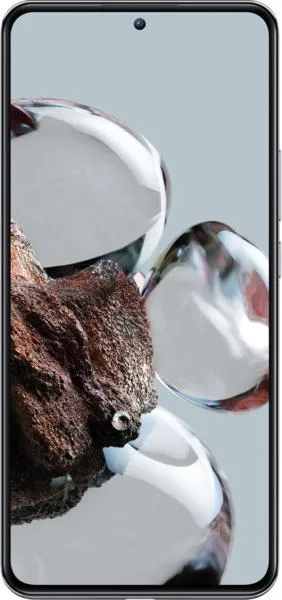
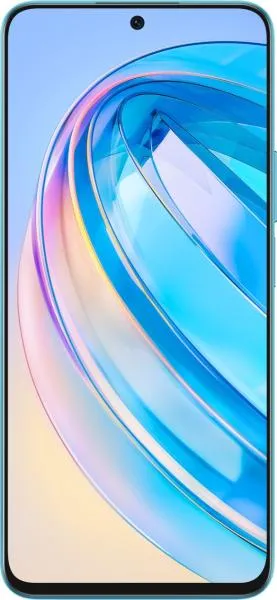
Xiaomi 12T vs. Honor X8a: A Comparative Deep Dive
Choosing the right smartphone involves more than just comparing numbers on a spec sheet. It's about understanding how those numbers translate into real-world performance and user experience. Let's dissect the Xiaomi 12T and Honor X8a, two compelling mid-range contenders, to see which one emerges as the champion.
1. Specifications Breakdown
| Feature | Xiaomi 12T | Honor X8a | Real-World Implications |
|---|---|---|---|
| Design | |||
| Dimensions (mm) | 163.1 x 75.9 x 8.6 | 162.9 x 74.5 x 7.5 | X8a is slightly more compact and thinner. |
| Weight (g) | 202 | 179 | X8a is noticeably lighter, improving one-handed use. |
| Build Materials | Glass front/back, aluminum frame | Plastic back, aluminum frame | 12T feels more premium; X8a might be more durable against drops. |
| Display | |||
| Type | AMOLED | IPS LCD | 12T offers deeper blacks, vibrant colors, and better outdoor visibility. |
| Size | 6.67" | 6.7" | Negligible size difference. |
| Resolution | 1220 x 2712 | 1080 x 2388 | 12T boasts sharper visuals due to higher pixel density (446 ppi vs. 391 ppi). |
| Refresh Rate | 120Hz | 90Hz | 12T provides smoother scrolling and animations. |
| Performance | |||
| Chipset | Dimensity 8100-Ultra | Helio G88 | 12T significantly outperforms in processing power, enabling seamless multitasking and demanding games. |
| CPU | Octa-core (4x2.85 GHz A78 & 4x2.0 GHz A55) | Octa-core (2x2.0 GHz A75 & 6x1.8 GHz A55) | 12T's superior CPU architecture and clock speeds result in much faster and more responsive performance. |
| GPU | Mali-G610 MC6 | Mali-G52 MC2 | 12T offers a substantial advantage in graphics performance, ideal for gaming and media consumption. |
| RAM | 8GB | 6/8GB | Both offer ample RAM for everyday tasks, but 8GB on the 12T provides more headroom for future-proofing. |
| Camera | |||
| Main Camera | 108MP Samsung HM6 | 100MP | 12T likely produces better image quality due to a larger sensor and advanced features. |
| Video Recording | 4K@30fps, HDR | 1080p@30fps | 12T offers higher resolution video recording with HDR. |
| Battery Life | |||
| Capacity | 5000mAh | 4500mAh | 12T likely offers longer battery life due to a larger capacity and more power-efficient chipset. |
2. Key Insights
The Xiaomi 12T is the clear powerhouse here. Its Dimensity 8100-Ultra chipset, coupled with a vibrant 120Hz AMOLED display, delivers a flagship-level experience. The 108MP camera promises detailed photos, and the 5000mAh battery ensures all-day endurance.
The Honor X8a, while less powerful, focuses on affordability and a lightweight design. Its 90Hz IPS LCD is still smooth, and the 100MP main camera sounds impressive on paper. However, the Helio G88 processor will struggle with demanding tasks compared to the 12T.
3. User Profiles and Recommendations
Xiaomi 12T: Ideal for power users, gamers, multimedia enthusiasts, and anyone who prioritizes performance and a premium display.
Honor X8a: Suitable for budget-conscious users who prioritize a lightweight phone for everyday tasks like social media, browsing, and casual photography. It's a good option for those seeking a large screen without breaking the bank.
4. Buying Decision Framework
- What is your budget? The Honor X8a is significantly more affordable.
- What are your primary use cases? For demanding tasks, the 12T is a must. For basic usage, the X8a suffices.
- Do you prioritize display quality and performance or battery life and affordability? The 12T excels in the former, while the X8a balances the latter.
My Choice: I would choose the Xiaomi 12T. As a tech journalist, I demand top-tier performance and a display that can showcase content beautifully. The 12T's powerful chipset, vibrant AMOLED screen, and capable camera system align perfectly with my needs. While the Honor X8a offers excellent value, the 12T's superior user experience justifies the higher price for my usage pattern. The significant difference in processing power alone would make the 12T a more future-proof investment for me.
