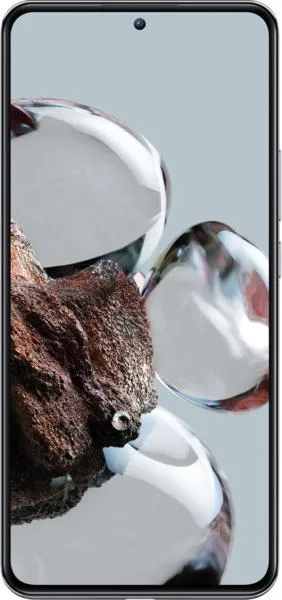
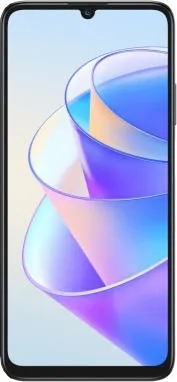
Xiaomi 12T vs. Honor X7a: A Deep Dive for the Discerning Smartphone Buyer
Hello fellow tech enthusiasts! Alex Griffin here, ready to dissect the Xiaomi 12T and Honor X7a. We'll go beyond the spec sheets to uncover what these phones truly offer in real-world use. Let's get started!
1. Specifications Breakdown
| Feature | Xiaomi 12T | Honor X7a | Real-World Implications |
|---|---|---|---|
| Design | |||
| Dimensions (mm) | 163.1 x 75.9 x 8.6 | 167.5 x 76.9 x 8.3 | 12T slightly more compact |
| Weight (g) | 202 | 196 | Negligible difference in hand |
| Build Materials | Glass front, plastic frame | Plastic back, plastic frame | 12T feels more premium |
| Display | |||
| Type | AMOLED, 120Hz | TFT LCD | 12T: Smoother scrolling, vibrant colors, deeper blacks |
| Size | 6.67" | 6.75" | X7a marginally larger screen |
| Resolution | 1220 x 2712 | 720 x 1600 | 12T significantly sharper, more detailed visuals |
| PPI | 446 | 260 | Noticeable difference in clarity |
| Performance | |||
| Chipset | Dimensity 8100 Ultra | Helio G37 | 12T vastly more powerful, handles demanding tasks and games with ease |
| CPU | Octa-core (4x2.85 GHz A78 & 4x2.0 GHz A55) | Octa-core (4x2.3 GHz A53 & 4x1.7 GHz A53) | 12T: Superior multi-tasking, faster app loading |
| GPU | Mali-G610 MC6 | PowerVR GE8320 | 12T: Much better gaming performance, smoother graphics |
| RAM | 8GB | 4/6GB | 12T: Smoother multitasking, less prone to slowdowns |
| Camera | |||
| Main Camera | 108MP, f/1.7 | 50MP, f/1.8 | 12T: Potentially better detail, low-light performance needs real-world testing |
| Ultrawide | 8MP | 5MP | 12T: Slightly wider field of view |
| Macro | 2MP | 2MP | Comparable macro capabilities |
| Selfie | 20MP | 8MP | 12T: Higher resolution selfies |
| Video | 4K@30fps, 1080p@240fps | 1080p@30fps | 12T: Superior video recording capabilities |
| Battery Life | |||
| Capacity | 5000mAh | 6000mAh | X7a: Longer battery life on paper, but real-world usage depends on optimization |
| Charging | Fast Charging | Standard Charging | 12T: Significantly faster charging speeds |
2. Key Insights
The Xiaomi 12T is a clear winner in terms of performance, display, and overall user experience. Its powerful Dimensity 8100 Ultra chipset, coupled with the 120Hz AMOLED display, delivers a flagship-level experience. The Honor X7a focuses on battery life and affordability. Its massive 6000mAh battery should provide exceptional longevity, but the lower-resolution display and less powerful processor result in compromises.
3. User Profiles and Recommendations
- Xiaomi 12T: Ideal for power users, gamers, and those who prioritize a premium experience. It excels in demanding tasks, multimedia consumption, and content creation. If you value a smooth, responsive phone with a vibrant display, the 12T is the better choice.
- Honor X7a: Suited for budget-conscious users who prioritize battery life above all else. It's a good option for basic tasks like calling, texting, and browsing social media. Students or individuals who need a long-lasting phone for light usage would find the X7a appealing.
4. Buying Decision Framework
- What is your budget? The Honor X7a is significantly more affordable.
- What are your primary use cases? The 12T excels in performance-intensive tasks, while the X7a prioritizes battery life.
- How important is display quality? The 12T's AMOLED display offers a far superior visual experience.
My Choice: I would choose the Xiaomi 12T. While the Honor X7a offers impressive battery life, I prioritize a fluid user experience and a vibrant display. The 12T's superior performance, stunning AMOLED screen, and fast charging capabilities outweigh the X7a's battery advantage for my usage. The price difference is justifiable for the significant leap in quality and overall user experience. I often push my phone with multitasking, photography, and occasional gaming, making the 12T a better fit for my needs.
