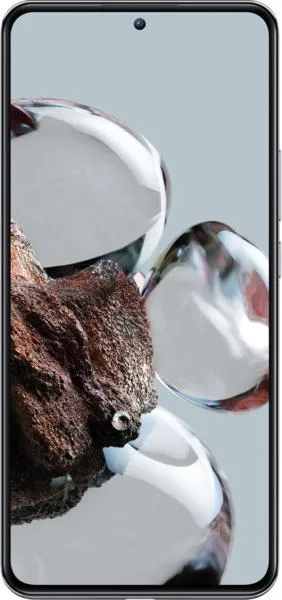
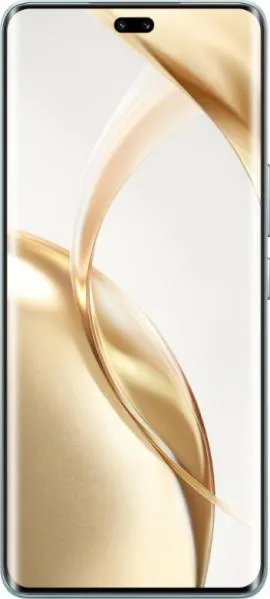
Let's dive into a comparative analysis of the Xiaomi 12T and the Honor 200 Pro, dissecting their specifications and uncovering what they truly offer in real-world usage.
1. Specifications Breakdown
| Feature | Xiaomi 12T | Honor 200 Pro | Real-World Implications |
|---|---|---|---|
| Design | |||
| Dimensions | 163.1 x 75.9 x 8.6 mm, 202g | 163.3 x 75.2 x 8.2mm, 199g | Honor 200 Pro is slightly thinner and lighter, potentially offering a more comfortable in-hand feel. |
| Build Materials | Glass front, plastic frame | Glass front, (likely) glass back | Honor potentially more premium feel with a glass back; Durability differences require real-world testing |
| Display | |||
| Type | AMOLED, 120Hz | OLED, 120Hz | Both offer smooth scrolling and responsive gaming experiences. OLED generally offers deeper blacks and better power efficiency. |
| Size | 6.67" | 6.78" | Negligible difference in screen real estate. |
| Resolution | 1220 x 2712 pixels (446 ppi) | 1224 x 2700 (437 ppi) | Virtually identical sharpness; imperceptible difference in daily use. |
| Peak Brightness | 900 nits (peak) | 4000 nits (peak) | Honor 200 Pro offers significantly better outdoor visibility in bright sunlight. |
| Performance | |||
| Chipset | Dimensity 8100 Ultra (5nm) | Snapdragon 8s Gen 3 (4nm) | Honor boasts a newer, potentially more powerful processor, promising smoother multitasking and demanding gaming performance. |
| CPU | Octa-core (4x2.85 GHz A78 & 4x2.0 GHz A55) | Octa-core (1x3.0 GHz X4 & 4x2.8 GHz A720 & 3x2.0 GHz A520) | Honor's CPU configuration, with a prime core at 3.0Ghz suggests a performance advantage. Requires benchmarking for confirmation. |
| RAM | 8GB | 12GB | Honor's larger RAM capacity allows for more apps to run in the background without reloading, enhancing multitasking. |
| Camera | |||
| Main Sensor | 108MP, Samsung HM6 | 50MP, OmniVision OVH9000 | Xiaomi's higher megapixel count doesn't guarantee better image quality. Sensor size, processing, and aperture play crucial roles. |
| Video | 4K@30fps with HDR | 4K@30fps with OIS, EIS | Both capable of 4K video recording. Honor features both Optical (OIS) and Electronic (EIS) stabilization for smoother videos. |
| Battery Life | |||
| Capacity | 5000 mAh | 5200 mAh | Honor's slightly larger battery capacity suggests potentially longer usage time. Real-world battery life depends on usage patterns. |
2. Key Insights
- Performance: The Honor 200 Pro, with its newer Snapdragon 8s Gen 3 chipset and larger RAM, likely delivers a noticeable performance boost over the Xiaomi 12T, especially in demanding tasks and gaming.
- Display: While both offer 120Hz refresh rates, the Honor 200 Pro's significantly higher peak brightness makes it a clear winner for outdoor usability.
- Camera: It's difficult to definitively declare a winner without real-world image comparisons. While the Xiaomi 12T has a higher resolution main sensor, the Honor 200 Pro leverages a larger sensor and superior video stabilization.
- Software and Updates: The Honor 200 Pro, launching with Android 14, has a longer software update lifecycle compared to the Xiaomi 12T which launched with Android 12. This translates to longer-term security and feature updates for the Honor.
3. User Profiles and Recommendations
- Xiaomi 12T: Suitable for users seeking a well-rounded phone with a good balance of performance, display quality, and battery life at a more affordable price point.
- Honor 200 Pro: Ideal for users who prioritize top-tier performance, a brighter display for outdoor use, the latest Android version, and longer software support, and are willing to pay a premium.
4. Buying Decision Framework
- What's your budget? The Xiaomi 12T offers excellent value for its price, while the Honor 200 Pro commands a higher price for its superior specs.
- Is peak performance your priority? If gaming or heavy multitasking is crucial, the Honor 200 Pro's more powerful processor and larger RAM make it the better choice.
- How important is software update longevity? If you want a phone that receives software updates for a longer period, the Honor 200 Pro, launching with Android 14, is the winner.
My Choice: I would choose the Honor 200 Pro. The combination of the more powerful Snapdragon 8s Gen 3 processor, larger RAM, brighter display, and longer software update lifecycle are compelling. While the Xiaomi 12T offers great value, I prioritize performance, future-proofing through software updates, and a superior outdoor viewing experience. The higher price of the Honor 200 Pro is justified for these advantages, in my opinion.
