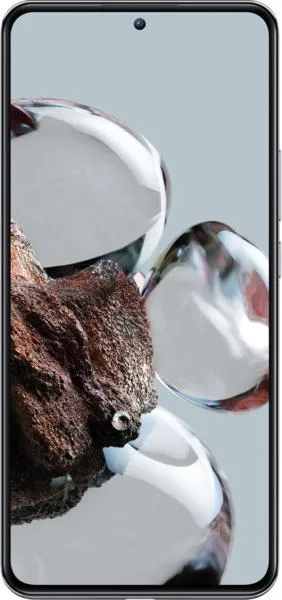
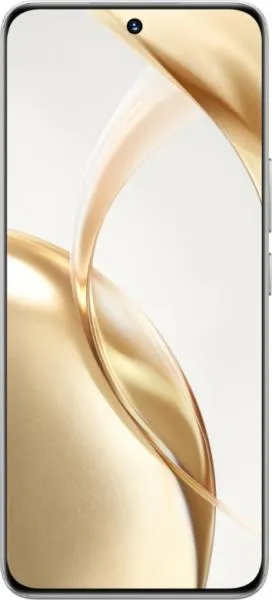
Xiaomi 12T vs. Honor 200: A Deep Dive for the Discerning Smartphone User
The mid-range smartphone arena is fiercely competitive, with devices vying for your attention with compelling features and aggressive pricing. Today, we dissect two contenders: the Xiaomi 12T and the Honor 200. Let's move beyond the marketing hype and delve into the engineering realities to determine which phone truly delivers.
1. Specifications Breakdown
| Feature | Xiaomi 12T | Honor 200 | Real-World Implications |
|---|---|---|---|
| Design | |||
| Dimensions (mm) | 163.1 x 75.9 x 8.6 | 161.5 x 74.6 x 7.7 | Honor 200 slightly smaller and thinner |
| Weight (g) | 202 | 187 | Honor 200 noticeably lighter in hand |
| Display | |||
| Type | AMOLED | OLED | Both offer vibrant colors and deep blacks; subtle differences in power consumption and peak brightness |
| Size (inches) | 6.67 | 6.7 | Negligible difference in screen real estate |
| Resolution | 1220 x 2712 | 1200 x 2664 | Xiaomi 12T slightly sharper, but imperceptible to most users |
| Refresh Rate (Hz) | 120 | 120 | Both provide smooth scrolling and animations |
| Peak Brightness (nits) | 900 (peak) | 4000 (peak) | Honor 200 significantly brighter outdoors |
| Performance | |||
| Chipset | Dimensity 8100 Ultra | Snapdragon 7 Gen 3 | Honor 200 boasts a newer, potentially more efficient chip |
| CPU | Octa-core (4x2.85 GHz A78 & 4x2.0 GHz A55) | Octa-core (1x2.63 GHz A715 & 4x2.4 GHz A715 & 3x1.8 GHz A510) | Both offer strong multi-core performance; architectural differences may favor Honor 200 in sustained tasks |
| RAM (GB) | 8 | 12 | Honor 200 offers more headroom for multitasking and future-proofing |
| Camera | |||
| Main Camera (MP) | 108 | 50 | Xiaomi 12T boasts higher resolution; Honor 200 uses a larger sensor(Sony IMX906), potentially better low-light performance |
| DxOMark Score | 115 | 130 | Honor 200 scores significantly higher in overall camera quality |
| Battery Life | |||
| Capacity (mAh) | 5000 | 5200 | Honor 200 has a slightly larger battery |
2. Key Insights
The Xiaomi 12T excels in raw display sharpness and potentially faster peak CPU speeds thanks to the Cortex-A78 cores. However, the Honor 200 pulls ahead with its newer, more efficient Snapdragon chipset, significantly brighter display, larger RAM, superior DxOMark camera rating, and slightly larger battery. The Honor 200 also benefits from a more recent Android version out of the box (Android 14). The difference in sensor size between the main cameras suggests the Honor 200 might capture better low-light images despite the lower megapixel count.
3. User Profiles and Recommendations
Xiaomi 12T: Ideal for users prioritizing a slightly sharper display and who are comfortable with a slightly heavier device.
Honor 200: Best suited for users who value a brighter display for outdoor use, smoother multitasking due to larger RAM, a superior camera experience, and the latest Android OS. The lighter weight is a bonus for extended use.
4. Buying Decision Framework
- Are you a heavy multitasker or mobile gamer? The Honor 200’s 12GB RAM provides a significant advantage.
- Is outdoor visibility crucial? The Honor 200's brighter display wins hands down.
- Is camera quality your top priority? The Honor 200's higher DxOMark score and advanced camera features make it the clear winner.
My Choice: The Honor 200
While the Xiaomi 12T offers a slightly sharper display, the Honor 200's advantages in key areas like performance, camera, battery life, display brightness, and software make it the more compelling device for me. The newer Snapdragon chipset, coupled with the ample 12GB RAM, promises a smoother and more future-proof experience. The significantly brighter OLED display is a major plus for outdoor usability. Ultimately, the Honor 200 provides a more well-rounded and compelling package for the majority of users. The improved camera system, validated by the DxOMark score, seals the deal. I prioritize a fluid user experience, excellent camera quality, and a device that's ready for the future, and the Honor 200 delivers on all fronts.
