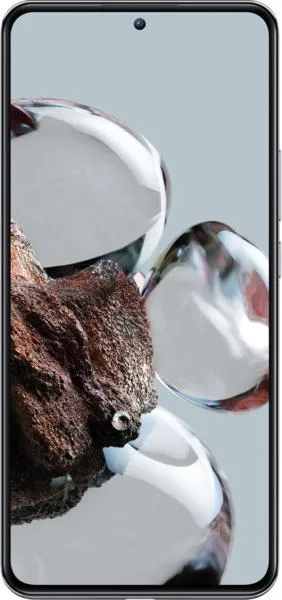
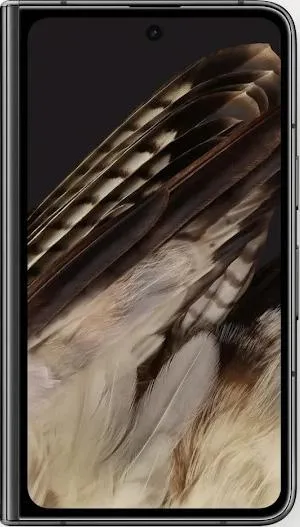
Xiaomi 12T vs. Google Pixel Fold: A Detailed Comparison
Let's dive into a head-to-head comparison of the Xiaomi 12T and the Google Pixel Fold, two smartphones targeting different user needs with distinct strengths.
1. Specifications Breakdown
| Feature | Xiaomi 12T | Google Pixel Fold | Real-World Implications |
|---|---|---|---|
| Design | |||
| Dimensions (mm) | 163.1 x 75.9 x 8.6 | 139.7 x 158.7 x 5.8 (folded) | Pixel Fold significantly more compact when folded, pocketability advantage. 12T thinner and lighter when unfolded. |
| Weight (g) | 202 | 283 | 12T noticeably lighter for one-handed use. Fold's weight reflects its complex hinge mechanism and larger battery. |
| Foldable | No | Yes | Fold offers a larger screen in a smaller form factor, transforming user experience. |
| Display | |||
| Size (inches) | 6.67 | 7.6 (unfolded), 5.8 (folded) | Fold offers a tablet-like experience when unfolded, 12T a standard large screen size. Folded Pixel offers a more typical phone screen size. |
| Resolution (px) | 1220 x 2712 | 1840 x 2208 (unfolded), 1080 x 2092 (folded) | Both sharp, but Fold's larger unfolded display provides more screen real estate. |
| Refresh Rate (Hz) | 120 | 120 | Both offer smooth scrolling and animations. |
| Display Type | AMOLED | Foldable OLED | Fold's foldable display technology allows for unique usage scenarios. Durability and crease visibility are key considerations. |
| Performance | |||
| Chipset | Dimensity 8100 Ultra | Google Tensor G2 | Tensor G2 generally more powerful, optimized for AI and machine learning tasks. 8100 Ultra excels in GPU performance. |
| CPU | Octa-core | Octa-core | Both offer strong multi-core performance, but Tensor G2 likely has an edge in single-core performance due to Cortex-X1 cores. |
| RAM (GB) | 8 | 12 | Fold's larger RAM allows for smoother multitasking and more demanding applications. |
| Camera | |||
| Rear Camera (MP) | 108 MP Main | 48 MP Main | 12T boasts higher megapixel count on main sensor. Pixel likely compensates with superior computational photography. |
| DxOMark Score | 115 | 133 | Pixel Fold scores significantly higher, suggesting overall better image quality in various conditions. |
| Battery Life | |||
| Capacity (mAh) | 5000 | 4821 | Similar battery capacities, but real-world battery life depends heavily on usage patterns, especially with the Fold's larger display. |
2. Key Insights
Xiaomi 12T: This phone prioritizes performance and value. Its powerful Dimensity chipset, high refresh rate display, and 108MP camera offer a compelling package for a mid-range price. It's a solid choice for users who prioritize speed, gaming, and multimedia consumption.
Google Pixel Fold: This phone is a groundbreaking foldable device offering a unique blend of portability and productivity. While potentially more expensive, it excels in software integration, AI capabilities, and camera performance, catering to users who value innovation and a premium experience. The crease in the folding display is a trade-off to consider.
3. User Profiles and Recommendations
Xiaomi 12T: Ideal for budget-conscious users, gamers, and multimedia enthusiasts who prioritize raw performance and a large, vibrant display.
Google Pixel Fold: Best suited for early adopters, professionals, and multitaskers who value a portable device that can transform into a tablet for enhanced productivity and entertainment on the go.
4. Buying Decision Framework
- What is your budget? The 12T offers excellent value for its price, while the Fold commands a premium.
- Is a foldable form factor important to you? The Fold's unique design offers versatility that a traditional smartphone can't match.
- Which features do you prioritize most? Consider whether raw performance (12T) or software experience and camera quality (Fold) are more critical to your needs.
My Choice: Google Pixel Fold
While the Xiaomi 12T is an excellent device for the price, I would choose the Google Pixel Fold. The foldable form factor genuinely intrigues me, offering a glimpse into the future of mobile devices. The ability to seamlessly transition between a phone and a mini-tablet is a game-changer for productivity and content consumption. While the price is a significant consideration, the Pixel Fold's superior camera, software integration, and the overall experience offered by Google's ecosystem would justify the premium for me. I am willing to embrace the cutting-edge technology and accept the potential trade-offs that come with a first-generation foldable device. Specifically, the Tensor G2's AI capabilities, coupled with Google's software prowess, promise a unique and intuitive user experience that I find incredibly appealing.
