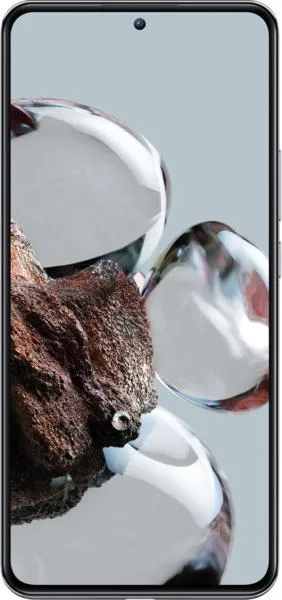
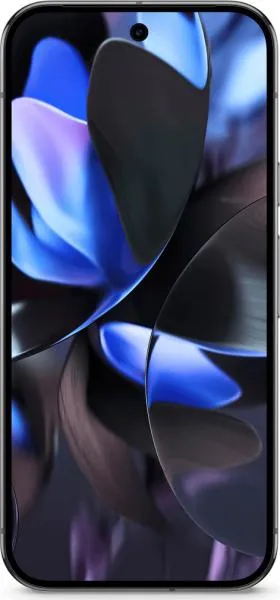
Xiaomi 12T vs. Google Pixel 9 Pro XL: A Deep Dive
Let's dissect the Xiaomi 12T and the Google Pixel 9 Pro XL, two compelling smartphones with distinct strengths. We'll go beyond the spec sheet to understand what these differences mean for you, the user.
1. Specifications Breakdown
| Feature | Xiaomi 12T | Google Pixel 9 Pro XL | Real-World Implications |
|---|---|---|---|
| Design | |||
| Dimensions (mm) | 163.1 x 75.9 x 8.6 | 162.8 x 76.6 x 8.5 | Pixel slightly smaller, negligible difference in hand. |
| Weight (g) | 202 | 221 | Pixel noticeably heavier; may impact comfort during extended use. |
| Display | |||
| Size (inches) | 6.67 | 6.8 | Pixel offers slightly larger viewing area. |
| Resolution (px) | 1220 x 2712 | 1344 x 2992 | Pixel boasts sharper visuals due to higher pixel density. |
| Panel Type | AMOLED | LTPO OLED | Pixel's LTPO panel allows for more granular refresh rate control, potentially saving battery. |
| Refresh Rate (Hz) | 120 | 120 | Both offer smooth scrolling and animations. |
| Peak Brightness (nits) | 900 (peak) | 3000 (peak) | Pixel significantly brighter outdoors. |
| Performance | |||
| Chipset | Dimensity 8100 Ultra | Google Tensor G4 | Tensor G4 likely more powerful, especially in AI tasks; Dimensity 8100 Ultra known for efficiency. |
| CPU | Octa-core (Cortex-A78 & A55) | Octa-core (Cortex-X4, A720 & A520) | Tensor G4's newer architecture potentially delivers superior performance. |
| RAM (GB) | 8 | 16 | Pixel's doubled RAM enables smoother multitasking and app switching. |
| Camera | |||
| Main Camera (MP) | 108 | 50 | Pixel's larger sensor likely captures more light and detail despite lower resolution. |
| Ultrawide (MP) | 8 | 48 | Comparable ultrawide capabilities. |
| Telephoto (MP) | N/A | 48 | Pixel offers optical zoom, a significant advantage. |
| DXOMark Score | 115 | 158 | Pixel scores significantly higher, indicating superior overall camera quality. |
| Battery Life | |||
| Capacity (mAh) | 5000 | 5060 | Negligible difference in battery capacity. Real-world usage will depend on optimization. |
2. Key Insights
- Performance: The Pixel 9 Pro XL, with its Tensor G4 chip and 16GB RAM, is the clear performance champion. It's designed for demanding tasks and future-proofing. The Xiaomi 12T, while powerful thanks to the Dimensity 8100 Ultra, targets a different user – one who prioritizes efficiency.
- Display: Both phones offer excellent displays. However, the Pixel 9 Pro XL's LTPO panel allows for dynamic refresh rate adjustment, potentially saving battery. Its higher peak brightness also makes it more usable in direct sunlight.
- Camera: This is where the Pixel truly shines. Its computational photography prowess, combined with superior hardware, delivers exceptional image quality. The Xiaomi 12T offers a capable camera system, but it doesn't reach the Pixel's level of sophistication.
- Price: The Xiaomi 12T sits in the mid-range price bracket, offering excellent value for its performance. The Pixel 9 Pro XL commands a flagship price, reflecting its premium features and cutting-edge technology.
3. User Profiles and Recommendations
- Xiaomi 12T: Ideal for users seeking a well-rounded, affordable phone with a great display and solid performance. Suitable for everyday tasks, media consumption, and casual gaming.
- Google Pixel 9 Pro XL: Perfect for power users, photography enthusiasts, and those who demand the absolute best in mobile technology.
4. Buying Decision Framework
- What's your budget? If price is a major concern, the Xiaomi 12T offers exceptional value.
- Are you a heavy user or a casual user? Power users will appreciate the Pixel's extra performance and RAM.
- How important is camera quality? If photography is a priority, the Pixel is the undisputed winner.
My Choice: As a tech journalist who values performance, a fluid user experience, and cutting-edge camera technology, I would choose the Google Pixel 9 Pro XL. While the price is higher, the significant advantages in performance, camera capabilities, and the future-proofed nature of the device justify the investment for my needs. The LTPO display and extra RAM solidify its position as a top-tier flagship. While the Xiaomi 12T is a compelling option for its price, the Pixel aligns more closely with my usage patterns and priorities.
