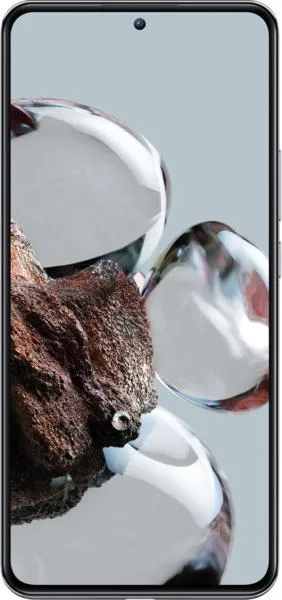
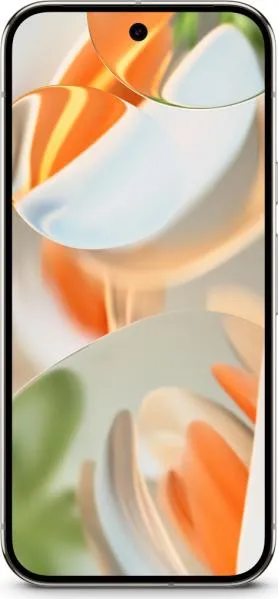
Xiaomi 12T vs. Google Pixel 9 Pro: A Deep Dive
Let's dissect the Xiaomi 12T and Google Pixel 9 Pro, two compelling smartphones with distinct strengths. We'll go beyond the spec sheet to uncover what these differences truly mean for you.
1. Specifications Breakdown
| Feature | Xiaomi 12T | Google Pixel 9 Pro | Real-World Implications | |
|---|---|---|---|---|
| Design | ||||
| Dimensions (mm) | 163.1 x 75.9 x 8.6 | 152.8 x 72 x 8.5 | Pixel 9 Pro is slightly more compact and pocketable. | |
| Weight (g) | 202 | 199 | Negligible difference in hand feel. | |
| Build Materials | Not specified | Not specified | Durability and premium feel are undetermined without further information. | |
| Display | ||||
| Size (inches) | 6.67 | 6.3 | 12T offers a larger screen for media consumption; Pixel 9 Pro is more one-hand friendly. | |
| Resolution | 1220 x 2712 | 1280 x 2856 | Pixel 9 Pro boasts a sharper display with higher pixel density (495 vs. 446 ppi). | |
| Refresh Rate | 120Hz | 120Hz | Both offer smooth scrolling and animations. | |
| Panel Type | AMOLED | LTPO OLED | Pixel's LTPO panel allows for variable refresh rate, potentially saving battery. | |
| Peak Brightness | 900 nits (peak) | 3000 nits (peak) | Pixel 9 Pro will be significantly brighter outdoors. | |
| Performance | ||||
| Chipset | Dimensity 8100 Ultra | Google Tensor G4 | Tensor G4, being newer, likely offers superior AI processing and overall performance. | |
| CPU | Octa-core | Octa-core | Tensor G4's newer architecture (Cortex-X4, A720) should provide a performance edge. | |
| RAM | 8GB | 16GB | Pixel 9 Pro's doubled RAM enables superior multitasking and app retention. | |
| Camera | ||||
| Main Sensor | 108MP, Samsung HM6 | 50MP, Samsung GNK | Pixel traditionally excels in image processing despite lower megapixel count. | |
| Ultrawide | 8MP | 48MP with Macro | Pixel 9 Pro offers higher resolution ultrawide with macro capability. | |
| Telephoto | No | 48MP with OIS | Pixel 9 Pro includes a dedicated telephoto lens with optical image stabilization. | |
| Video | 4K@30fps | 8K@30fps | Pixel 9 Pro offers higher resolution video recording. | |
| Battery Life | ||||
| Capacity | 5000mAh | 4700mAh | 12T has a slightly larger battery. Real-world battery life depends on optimization. |
2. Key Insights
- Performance: While the Dimensity 8100 Ultra is no slouch, the newer Tensor G4 with its advanced architecture and significantly larger RAM in the Pixel 9 Pro promises a noticeable performance advantage, especially for demanding tasks and future-proofing.
- Camera: Megapixels aren't everything. Google's computational photography prowess historically delivers exceptional image quality. While the Xiaomi 12T boasts a 108MP sensor, the Pixel 9 Pro's superior hardware (telephoto lens, high-resolution ultrawide with macro) combined with Google's software magic likely results in better overall image and video quality.
- Display: The Pixel 9 Pro's LTPO OLED display offers dynamic refresh rate adjustment for power efficiency and a significantly higher peak brightness for excellent outdoor visibility. The Xiaomi 12T's AMOLED screen is still excellent, but lacks the advanced features of the Pixel.
3. User Profiles and Recommendations
- Xiaomi 12T: Best suited for budget-conscious users prioritizing a large display for media consumption and solid performance for everyday tasks. Gamers on a tighter budget will also appreciate the 120Hz AMOLED display.
- Google Pixel 9 Pro: Ideal for power users, photography enthusiasts, and those seeking the latest and greatest in Android innovation. The Pixel prioritizes a premium user experience with top-tier performance, cutting-edge camera technology, and a stunning display.
4. Buying Decision Framework
- What's your budget? The Pixel 9 Pro sits in a higher price bracket. Is the premium justified for your needs?
- Are camera capabilities a top priority? If so, the Pixel 9 Pro's advanced camera system and Google's image processing are hard to beat.
- Do you value future-proofing and raw performance? The Pixel 9 Pro's newer chipset and ample RAM offer greater longevity and smoother performance in demanding tasks.
My Choice: Google Pixel 9 Pro
While the Xiaomi 12T offers excellent value, I would choose the Google Pixel 9 Pro. The deciding factors for me are the superior camera system, the future-proof performance offered by the Tensor G4 and larger RAM, and the brighter, more advanced LTPO display. Although the Pixel 9 Pro commands a higher price, the overall user experience, longevity, and consistent software updates justify the investment in my opinion. I prioritize image quality, smooth performance, and staying at the forefront of mobile technology. The Pixel 9 Pro aligns perfectly with these priorities.
