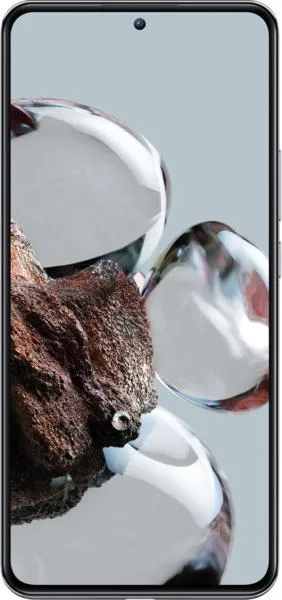
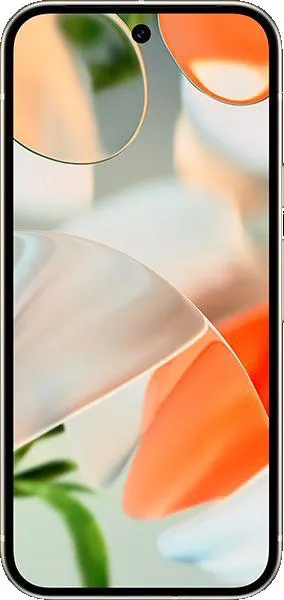
Xiaomi 12T vs. Google Pixel 9: A Deep Dive for the Discerning Smartphone User
The mid-range smartphone arena is fiercely competitive, with devices vying for your attention with compelling features and aggressive pricing. Today, we dissect two contenders: the Xiaomi 12T and the Google Pixel 9. Let's move beyond the marketing hype and delve into the engineering realities to see which phone truly delivers.
1. Specifications Breakdown
| Feature | Xiaomi 12T | Google Pixel 9 | Real-World Implications |
|---|---|---|---|
| Design | |||
| Dimensions (mm) | 163.1 x 75.9 x 8.6 | 152.8 x 72 x 8.5 | Pixel 9 is noticeably more compact, easier for one-handed use. |
| Weight (g) | 202 | 198 | Negligible difference in weight. |
| Display | |||
| Display Type | AMOLED | OLED | Both offer vibrant colors and deep blacks; OLED generally consumes less power. |
| Display Size (inches) | 6.67 | 6.3 | 12T offers a larger screen for media consumption, Pixel 9 for portability. |
| Resolution | 1220 x 2712 | 1080 x 2424 | 12T boasts a sharper display (higher pixel density). |
| Refresh Rate (Hz) | 120 | 120 | Both deliver smooth scrolling and animations. |
| Performance | |||
| Chipset | Dimensity 8100 Ultra | Google Tensor G4 | Tensor G4 likely has an edge in AI processing; Dimensity 8100 Ultra could be stronger in raw CPU performance. |
| CPU | Octa-core (4x2.85 GHz A78 & 4x2.0 GHz A55) | Octa-core (1x3.1 GHz X4 & 3x2.6 GHz A720 & 4x1.92 GHz A520) | G4's newer architecture and higher clock speeds potentially offer a performance advantage. |
| RAM (GB) | 8 | 12 | Pixel 9's extra RAM allows for better multitasking and app switching. |
| Camera | |||
| Main Camera (MP) | 108 | 50 | 12T boasts higher resolution; Pixel 9 likely compensates with computational photography prowess. |
| DxOMark Score | 115 | 154 | Pixel 9 significantly outperforms the 12T in overall image quality according to DxOMark. |
| Battery Life | |||
| Battery Capacity (mAh) | 5000 | 4700 | 12T has a slightly larger battery capacity, suggesting potentially longer battery life. |
2. Key Insights
- Performance Powerhouse vs. AI Champion: The Pixel 9, with its Tensor G4 chip and ample RAM, leans towards AI-driven tasks, photography, and smooth overall performance. The Xiaomi 12T, while powerful, might show its age in certain demanding applications but could excel in sustained performance thanks to its Dimensity chip.
- Display Dilemma: Do you prioritize screen real estate or pocketability? The 12T's larger, sharper display is ideal for media consumption, while the Pixel 9's more compact size is perfect for one-handed use.
- Camera Conundrum: Megapixels aren't everything. While the 12T boasts a 108MP sensor, the Pixel 9's lower resolution sensor, coupled with Google's advanced image processing algorithms, is likely to produce superior image quality in various scenarios, as evidenced by the DxOMark scores.
3. User Profiles and Recommendations
- Xiaomi 12T: Best suited for users who prioritize a large, vibrant display for media consumption, gaming, and multitasking on a budget. The long battery life is a bonus for power users.
- Google Pixel 9: Ideal for users who value a compact, premium phone with a focus on photography, AI capabilities, and seamless software integration. The clean Android experience and guaranteed updates are major selling points.
4. Buying Decision Framework
- What is your budget? The Xiaomi 12T generally falls into a lower price bracket than the Pixel 9.
- What are your primary use cases? Media consumption, gaming, and all-day battery life lean towards the 12T; photography, AI-powered features, and a pure Android experience point towards the Pixel 9.
- How important is software support and future updates? Pixel phones receive guaranteed updates for longer than most Android devices, including the 12T.
My Choice: As a tech journalist who values a clean software experience, consistent performance, and cutting-edge camera technology, I would choose the Google Pixel 9. The Tensor G4's AI capabilities, the promise of longer software updates, and the superior camera performance are compelling. While the Xiaomi 12T offers a tempting larger display and longer battery life, the Pixel 9's overall package aligns better with my priorities. The slightly higher price is justified for the advanced features and user experience it delivers.
