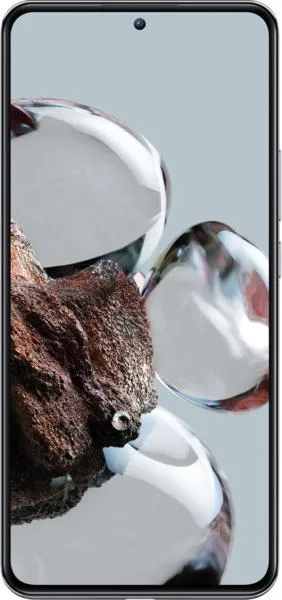
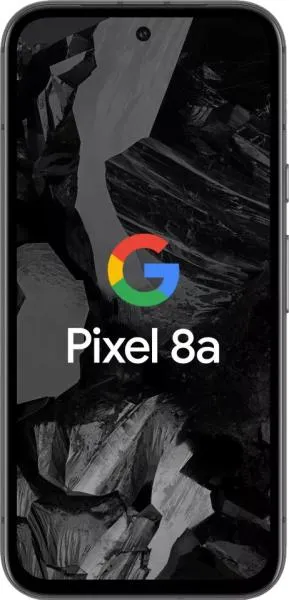
Xiaomi 12T vs. Google Pixel 8a: A Deep Dive for the Discerning Smartphone User
The mid-range smartphone arena is fiercely competitive, with devices vying for your attention with compelling features and aggressive pricing. Today, we dissect two contenders: the Xiaomi 12T and the Google Pixel 8a. We'll go beyond the spec sheet, translating raw numbers into real-world experiences to help you decide which phone fits your needs.
1. Specifications Breakdown
| Feature | Xiaomi 12T | Google Pixel 8a | Real-World Implications |
|---|---|---|---|
| Design | |||
| Dimensions (mm) | 163.1 x 75.9 x 8.6 | 152.1 x 72.7 x 8.9 | Pixel 8a is noticeably smaller and slightly thicker. 12T's larger footprint might feel less comfortable for one-handed use. |
| Weight (g) | 202 | 188 | Pixel 8a is lighter, reducing hand fatigue during extended use. |
| Display | |||
| Size (inches) | 6.67 | 6.1 | 12T offers a significantly larger screen for immersive media consumption and multitasking. Pixel 8a is more pocketable. |
| Resolution | 1220 x 2712 | 1080 x 2400 | 12T boasts sharper visuals due to higher pixel density (446 ppi vs. 430 ppi). |
| Type | AMOLED | OLED | Both offer vibrant colors and deep blacks. AMOLED generally consumes less power in displaying darker content, and brighter whites. |
| Refresh Rate | 120Hz | 120Hz | Both deliver smooth scrolling and animations, enhancing responsiveness. |
| Performance | |||
| Chipset | Dimensity 8100 Ultra | Google Tensor G3 | Tensor G3, being newer, is likely to offer better AI processing and overall performance, though the 8100 Ultra is no slouch. |
| CPU | Octa-core | Nona-core | Both offer ample processing power for demanding tasks. Tensor G3's specialized cores may provide advantages in specific workloads. |
| RAM | 8GB | 8GB | Both have sufficient RAM for smooth multitasking. |
| Camera | |||
| Main Sensor | 108MP (Samsung HM6) | 64MP (Sony IMX787) | 12T boasts higher resolution, potentially capturing more detail. Pixel 8a leverages Google's computational photography prowess. |
| DxOMark Score | 115 | 136 | Pixel 8a scores significantly higher in DxOMark, indicating superior overall image quality. |
| Battery Life | |||
| Capacity (mAh) | 5000 | 4492 | 12T has a larger battery, suggesting potentially longer usage time. Real-world battery life depends on usage patterns. |
2. Key Insights
- Performance: While the Xiaomi 12T offers a powerful Dimensity chip, the Google Pixel 8a's Tensor G3, coupled with Google's software optimization, likely delivers a smoother, more intelligent user experience, particularly in AI-driven tasks.
- Camera: The Pixel 8a, despite having a lower resolution main sensor, is expected to produce superior images thanks to Google's advanced image processing algorithms. Expect better low-light performance and dynamic range from the Pixel.
- Display: The Xiaomi 12T's larger, higher-resolution AMOLED display provides a more immersive visual experience for media consumption and gaming. The Pixel 8a's OLED display is excellent, but smaller.
- Battery: The Xiaomi 12T's larger battery capacity suggests longer endurance, but real-world performance varies. Google's battery optimization could make the Pixel 8a competitive.
3. User Profiles and Recommendations
- Xiaomi 12T: Ideal for users prioritizing a large, vibrant display for multimedia, gaming, and multitasking. Its robust battery is also appealing for power users.
- Google Pixel 8a: Best suited for users who value a clean Android experience, exceptional camera performance, and compact form factor. Google's software updates and AI features are a major draw.
4. Buying Decision Framework
- What matters most? Prioritize your needs: camera, display size, software experience, battery life.
- What's your budget? Consider the price difference and value proposition of each device.
- How important is software support? Pixel phones generally receive longer and more frequent updates.
My Choice: I would choose the Google Pixel 8a. While the Xiaomi 12T impresses with its display and battery, I prioritize a refined software experience, consistent updates, and top-tier camera performance. The Pixel 8a's Tensor G3 chip, promising advancements in AI and machine learning, further solidifies my choice. It aligns with my preference for a device that seamlessly integrates intelligent features into daily workflows, offering a blend of performance and practicality. The compact form factor is also a plus for me.
