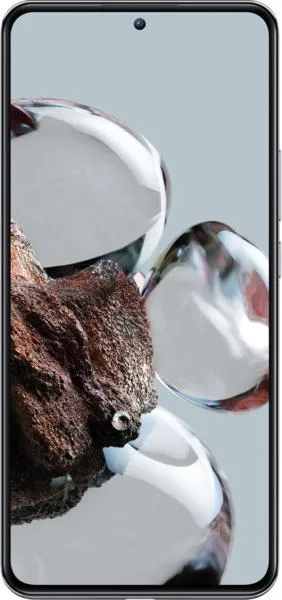
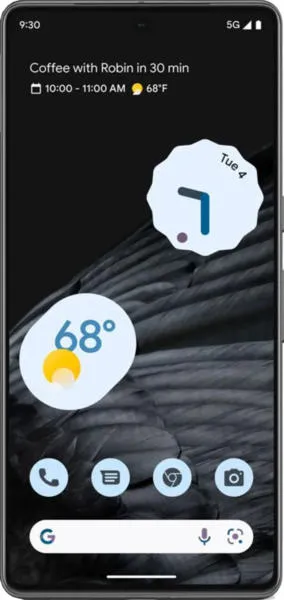
Xiaomi 12T vs. Google Pixel 7 Pro: A Real-World Comparison
The mid-range smartphone arena is fiercely competitive, and two contenders vying for your attention are the Xiaomi 12T and the Google Pixel 7 Pro. While both offer compelling features, understanding their nuanced differences is crucial for choosing the right device. Let's dive into a detailed comparison, translating technical specifications into practical, everyday experiences.
1. Specifications Breakdown
| Feature | Xiaomi 12T | Google Pixel 7 Pro | Real-World Implications |
|---|---|---|---|
| Design | |||
| Dimensions (mm) | 163.1 x 75.9 x 8.6 | 162.9 x 76.6 x 8.9 | Pixel 7 Pro slightly wider, thicker |
| Weight (g) | 202 | 212 | Negligible difference in hand |
| Display | |||
| Display Type | AMOLED, 120Hz | LTPO AMOLED, 120Hz | Both offer smooth scrolling, Pixel 7 Pro more power efficient due to LTPO |
| Resolution | 1220 x 2712 | 1440 x 3120 | Pixel 7 Pro sharper, more detailed visuals |
| Peak Brightness | 900 nits (peak) | 1500 nits (peak) | Pixel 7 Pro significantly brighter outdoors |
| Performance | |||
| Chipset | Dimensity 8100 Ultra | Google Tensor G2 | Tensor G2 boasts AI enhancements, Dimensity 8100 Ultra strong general performance |
| RAM | 8GB | 12GB | Pixel 7 Pro better for multitasking, demanding apps |
| Camera | |||
| Main Camera | 108MP, f/1.7 | 50MP, f/1.85 | Pixel 7 Pro known for superior image processing, despite lower megapixel count |
| Telephoto | None | 48MP, 5x Optical Zoom | Pixel 7 Pro offers significant zoom capabilities |
| DxOMark Score | 115 | 147 | Pixel 7 Pro objectively scores higher for overall camera quality |
| Battery Life | |||
| Capacity | 5000mAh | 5000mAh | Similar battery capacity, but real-world usage may vary due to display and processor differences |
2. Key Insights
- Display: The Pixel 7 Pro's LTPO AMOLED display allows for a variable refresh rate, optimizing battery consumption. Its higher resolution and peak brightness deliver a superior visual experience. The Xiaomi 12T's AMOLED screen is still excellent, providing vibrant colors and smooth scrolling.
- Performance: The Tensor G2 chip in the Pixel 7 Pro excels in AI-powered tasks like voice recognition and image processing. The Dimensity 8100 Ultra is a powerhouse for gaming and everyday applications, but might lack the specialized AI capabilities. The extra RAM in the Pixel aids in heavy multitasking.
- Camera: While the Xiaomi 12T boasts a higher megapixel count, the Pixel 7 Pro's computational photography prowess shines through. Google's image processing algorithms consistently produce stunning photos and videos, particularly in challenging lighting conditions. The dedicated telephoto lens on the Pixel provides a significant advantage for zoom photography.
- Battery: Both phones have the same battery capacity. However, the Pixel 7 Pro's LTPO display can dynamically adjust its refresh rate, leading to potentially better battery life in real-world use.
3. User Profiles and Recommendations
- Xiaomi 12T: Best for users seeking a well-rounded phone with a great display, strong performance, and fast charging at a competitive price. Ideal for gamers, multimedia consumers, and those prioritizing value.
- Google Pixel 7 Pro: Best for users who prioritize camera quality, software experience, and AI features. Excellent for photography enthusiasts, those heavily reliant on Google services, and those who want the latest Android updates.
4. Buying Decision Framework
- What is your budget? The Xiaomi 12T generally comes at a lower price point.
- Is camera quality your top priority? If so, the Pixel 7 Pro is the clear winner.
- Do you value the purest Android experience with timely updates? The Pixel, being a Google phone, guarantees this.
My Choice: Google Pixel 7 Pro
While the Xiaomi 12T offers excellent value, I would choose the Google Pixel 7 Pro. As a tech journalist, having a top-tier camera is essential for documenting events and capturing high-quality images for articles. The Pixel's superior camera system, combined with the clean Android experience and guaranteed updates, outweighs the price difference for my needs. Furthermore, the Tensor G2's AI capabilities intrigue me from a technological perspective. While I appreciate the 12T's strong performance, the Pixel's overall package aligns more closely with my priorities.
