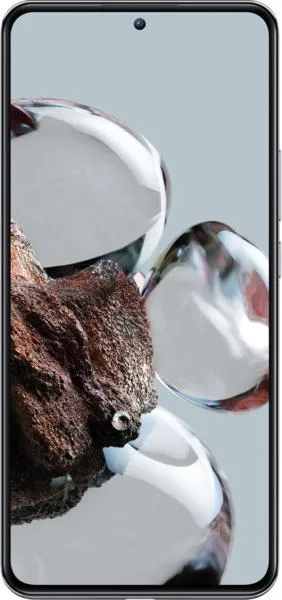
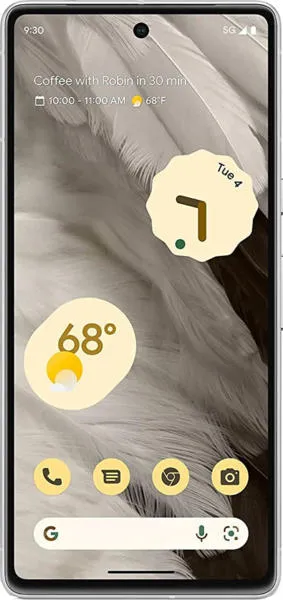
Xiaomi 12T vs. Google Pixel 7: A Tech Journalist's Deep Dive
Hello, fellow tech enthusiasts! Today, we're dissecting two compelling contenders in the mid-range smartphone arena: the Xiaomi 12T and the Google Pixel 7. Let's cut through the marketing fluff and delve into the nitty-gritty details to see which phone truly shines.
1. Specifications Breakdown
| Feature | Xiaomi 12T | Google Pixel 7 | Real-World Implications |
|---|---|---|---|
| Design | |||
| Dimensions (mm) | 163.1 x 75.9 x 8.6 | 155.6 x 73.2 x 8.7 | Pixel 7 is slightly smaller and more pocketable. |
| Weight (g) | 202 | 197 | Negligible difference in hand feel. |
| Display | |||
| Size (inches) | 6.67 | 6.3 | 12T offers a larger screen for media consumption. |
| Resolution (px) | 1220 x 2712 | 1080 x 2400 | 12T boasts sharper visuals due to higher pixel density. |
| Refresh Rate (Hz) | 120 | 90 | 12T's higher refresh rate results in smoother scrolling and animations. |
| Display Type | AMOLED, HDR10+ | AMOLED, HDR10+ | Both offer vibrant colors and excellent contrast. |
| Performance | |||
| Chipset | MediaTek Dimensity 8100 Ultra (5 nm) | Google Tensor G2 (5 nm) | Both offer powerful performance, but Tensor G2 excels in AI and machine learning tasks. |
| CPU | Octa-core (4x2.85 GHz A78 & 4x2.0 GHz A55) | Octa-core (2x2.85 GHz X1 & ...) | Tensor G2's unique core configuration may offer advantages in specific workloads. |
| GPU | Mali-G610 MC6 | Mali-G710 MP7 | G710 generally provides better gaming performance. |
| RAM (GB) | 8 | 8 | Ample RAM for multitasking on both devices. |
| Camera | |||
| Rear Camera | 108MP (Main), 8MP (Ultrawide), 2MP (Macro) | 50MP (Main), 12MP (Ultrawide) | Pixel 7 leverages Google's computational photography prowess for potentially superior image quality despite lower megapixel count. |
| Front Camera | 20MP | 10.8MP | 12T has a higher resolution selfie camera. |
| DxOMark Score | 115 | 140 | Pixel 7 significantly outperforms in DxOMark rankings, indicating superior overall camera quality. |
| Battery Life | |||
| Capacity (mAh) | 5000 | 4355 | 12T offers a larger battery capacity, suggesting longer endurance. |
2. Key Insights
- Display: The Xiaomi 12T's higher resolution and refresh rate deliver a noticeably smoother and sharper visual experience. While the Pixel 7's display is excellent, the 12T edges out in this category.
- Performance: Both phones pack a punch, but their strengths lie in different areas. The Dimensity 8100 Ultra provides robust general performance, while the Tensor G2 excels in AI-driven tasks, photography processing, and potentially optimized gaming thanks to its unique architecture and tighter software/hardware integration.
- Camera: Despite the 12T's impressive 108MP sensor, the Pixel 7's camera system, powered by Google's computational photography algorithms, consistently delivers exceptional image quality, particularly in challenging lighting conditions. The Pixel 7's superior DxOMark score reflects this advantage.
- Battery: The Xiaomi 12T's significantly larger battery likely translates to longer usage time between charges, a crucial factor for power users.
3. User Profiles and Recommendations
- Xiaomi 12T: Ideal for users prioritizing a large, vibrant display with a high refresh rate, long battery life, and solid all-around performance. Great for media consumption, gaming, and users who demand extended battery endurance.
- Google Pixel 7: Best suited for users who value a premium camera experience, a clean Android experience with timely updates, and the benefits of Google's AI integration. Excellent for photography enthusiasts, those seeking a smooth user experience, and anyone who prioritizes software updates.
4. Buying Decision Framework
Questions to Consider:
- What matters most? Prioritize your needs: stunning visuals and long battery life (12T) or a top-tier camera and pure Android experience (Pixel 7).
- What's your budget? Compare prices in your region to determine the best value proposition.
- What's your photography style? Casual shooters might appreciate the 12T's versatility, but serious photographers will likely favor the Pixel 7's consistent excellence.
My Choice: The Google Pixel 7
While the Xiaomi 12T offers compelling features like a larger, faster display and a bigger battery, the Pixel 7's superior camera and clean Android experience win me over. As a tech journalist, I constantly capture photos and videos, and the Pixel 7's consistent image quality, even in challenging situations, is invaluable. Furthermore, the promise of timely software updates and Google's seamless AI integration make the Pixel 7 a more compelling long-term investment for me. The slightly smaller battery is a trade-off I'm willing to make for the significant advantages in other areas.
