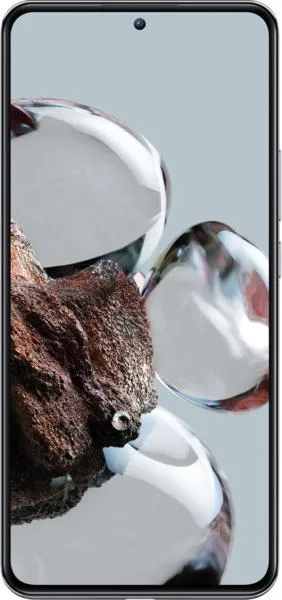
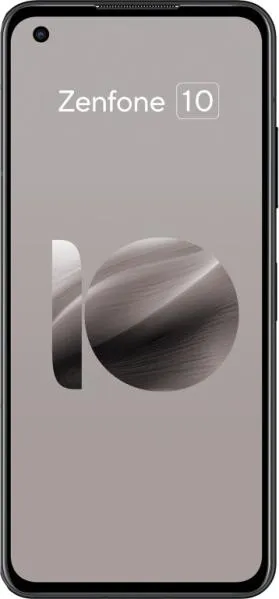
Xiaomi 12T vs. Asus Zenfone 10: A Detailed Comparison
Let's dive into a comprehensive comparison of the Xiaomi 12T and the Asus Zenfone 10, dissecting their technical specifications and translating them into real-world implications for you.
1. Specifications Breakdown
| Feature | Xiaomi 12T | Asus Zenfone 10 | Real-World Implications |
|---|---|---|---|
| Design | |||
| Dimensions (mm) | 163.1 x 75.9 x 8.6 | 146.5 x 68.1 x 9.4 | Zenfone 10 significantly more compact, easier for one-handed use and pocket portability. |
| Weight (g) | 202 | 172 | Zenfone 10 noticeably lighter, reducing hand fatigue during extended use. |
| Display | |||
| Size (inches) | 6.67 | 5.92 | 12T offers a larger screen for immersive media consumption; Zenfone 10 prioritizes one-handed usability. |
| Resolution | 1220 x 2712 | 1080 x 2400 | Both sharp, but 12T slightly higher pixel density due to larger size. |
| Refresh Rate (Hz) | 120 | 144 | Zenfone 10 smoother animations and scrolling; noticeable in gaming and fast-paced UI interactions. |
| Performance | |||
| Chipset | Dimensity 8100 Ultra | Snapdragon 8 Gen 2 | Zenfone 10 significantly faster CPU and GPU, better for demanding tasks and gaming. |
| RAM (GB) | 8 | 8/16 | Zenfone 10 offers a 16GB option for enhanced multitasking and future-proofing. |
| Camera | |||
| Main Camera (MP) | 108 | 50 | 12T higher resolution; Zenfone 10 utilizes a larger sensor (Sony IMX766) for potentially better low-light performance and dynamic range. |
| Video | 4K@30fps | 8K@24fps | Zenfone 10 capable of higher resolution video recording. |
| Battery Life | |||
| Capacity (mAh) | 5000 | 4300 | 12T larger battery capacity suggests longer usage time. Real-world battery life depends on usage patterns. |
2. Key Insights
- Performance: The Zenfone 10's Snapdragon 8 Gen 2 is a clear winner, delivering flagship-level performance for demanding apps and games. The 12T's Dimensity 8100 Ultra is no slouch, but it's a step behind in raw power.
- Size and Portability: The Zenfone 10 embraces a compact form factor ideal for one-handed use. The 12T offers a more immersive large screen experience but compromises portability.
- Display: While both displays are excellent, the Zenfone 10's 144Hz refresh rate provides a noticeable advantage in fluidity. The 12T's higher resolution offers a slight edge in sharpness, but the difference is minimal in everyday use.
- Camera: The megapixel count might favor the 12T, but the Zenfone 10's Sony IMX766 sensor and gimbal stabilization could deliver superior image quality, especially in challenging conditions. Real-world camera comparisons are necessary for a definitive conclusion.
3. User Profiles and Recommendations
- Xiaomi 12T: Users prioritizing a large, vibrant display for media consumption, casual gaming, and all-day battery life. Budget-conscious users seeking solid performance without breaking the bank.
- Asus Zenfone 10: Users who value a compact, powerful phone for demanding tasks, gaming, and smooth user experience. Photography enthusiasts who prioritize image quality and stabilization over resolution. Users who prefer one-handed operation.
4. Buying Decision Framework
- Do you prioritize one-handed usability and portability? If yes, the Zenfone 10 is the clear choice.
- Is top-tier performance for gaming and demanding applications crucial? Zenfone 10's Snapdragon 8 Gen 2 wins out.
- What's your budget? The 12T generally offers better value in terms of price-to-performance ratio for the base model. The Zenfone 10's higher RAM and storage options come at a premium.
My Choice: Asus Zenfone 10
While the Xiaomi 12T offers excellent value, I would choose the Asus Zenfone 10. Its compact size, flagship performance, impressive camera system (on paper), and incredibly smooth 144Hz display are compelling. I prioritize one-handed usability and a fluid user experience, making the Zenfone 10 a better fit for my personal needs. The higher price is justified for the significant jump in performance and features. The potential for superior image quality from the Zenfone 10, thanks to the Sony IMX766 sensor, is another key factor influencing my decision. While real-world testing is needed to confirm, the combination of hardware and software suggests a compelling camera experience.
