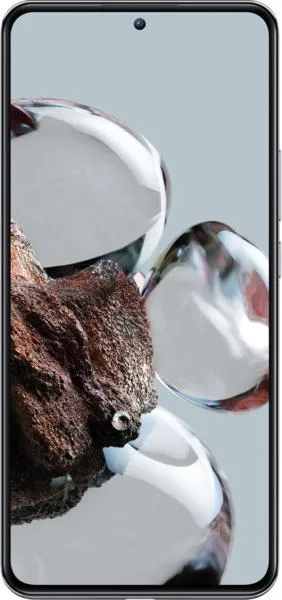
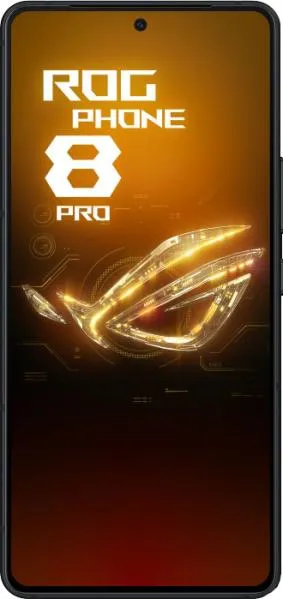
Xiaomi 12T vs. Asus ROG Phone 8 Pro: A Deep Dive for the Discerning User
Hello fellow tech enthusiasts! Today, we're dissecting two intriguing smartphones: the Xiaomi 12T and the Asus ROG Phone 8 Pro. We'll go beyond the spec sheets to uncover what these devices offer in real-world scenarios. Buckle up, as we embark on a journey of discovery, fueled by engineering curiosity and a passion for user experience.
1. Specifications Breakdown
| Feature | Xiaomi 12T | Asus ROG Phone 8 Pro | Real-World Implications |
|---|---|---|---|
| Design | |||
| Dimensions (mm) | 163.1 x 75.9 x 8.6 | 163.8 x 76.8 x 8.9 | ROG Phone 8 Pro is slightly larger and thicker. |
| Weight (g) | 202 | 225 | ROG Phone 8 Pro is noticeably heavier, potentially impacting one-handed use. |
| Display | |||
| Size (inches) | 6.67 | 6.78 | Negligible difference in screen real estate. |
| Resolution | 1220 x 2712 | 1080 x 2400 | Xiaomi 12T boasts sharper visuals due to higher pixel density (446 ppi vs. 388 ppi). |
| Refresh Rate (Hz) | 120 | 165 | ROG Phone 8 Pro offers ultra-smooth animations and responsiveness, especially beneficial for gaming. |
| Display Type | AMOLED | LTPO AMOLED | ROG Phone 8 Pro's LTPO panel allows for dynamic refresh rate adjustment, potentially saving battery. |
| Peak Brightness | 900 nits (peak) | 2500 nits (peak) | ROG Phone 8 Pro excels in outdoor visibility. |
| Performance | |||
| Chipset | Dimensity 8100 Ultra | Snapdragon 8 Gen 3 | ROG Phone 8 Pro features a newer, more powerful processor, promising superior performance in demanding tasks and games. |
| CPU | Octa-core | Octa-core | Both phones offer multi-core processing, but the architecture differs, impacting performance nuances. |
| RAM (GB) | 8 | 16/24 | ROG Phone 8 Pro provides significantly more RAM for seamless multitasking and demanding applications. |
| Camera | |||
| Main Camera (MP) | 108 | 50 | Xiaomi 12T emphasizes high resolution, while ROG Phone 8 Pro likely prioritizes sensor quality and processing. |
| Video Recording | 4K@30fps | 8K@24fps | ROG Phone 8 Pro supports higher resolution video recording. |
| Battery Life | |||
| Capacity (mAh) | 5000 | 6000 | ROG Phone 8 Pro offers a larger battery, potentially translating to longer usage time. |
2. Key Insights
The Xiaomi 12T shines with its crisp display, fast charging, and competitive price point. It's a well-rounded device for everyday users who value a good screen and reliable performance. However, its processor, while capable, might show its age sooner compared to the ROG Phone 8 Pro.
The Asus ROG Phone 8 Pro is a gaming powerhouse with top-tier specs designed for extreme performance. Its superior processor, high refresh rate display, and abundant RAM ensure smooth gameplay and effortless multitasking. The larger battery also caters to extended gaming sessions. The trade-off is a higher price tag and a bulkier design that might not appeal to everyone. While the main camera boasts a lower megapixel count, Sony IMX sensors are generally known for excellent image quality, suggesting a focus on overall imaging performance rather than sheer resolution numbers.
3. User Profiles and Recommendations
Xiaomi 12T: Suitable for users who prioritize a sharp display, fast charging, and value for money. Ideal for everyday tasks, media consumption, and casual gaming.
Asus ROG Phone 8 Pro: Designed for hardcore mobile gamers and power users who demand the absolute best performance. Also a good fit for content creators who need a device capable of handling demanding applications.
4. Buying Decision Framework
- What is your primary use case? Everyday tasks vs. demanding gaming and content creation.
- What is your budget? The Xiaomi 12T offers better value for money, while the ROG Phone 8 Pro comes at a premium.
- How important is portability and one-handed use? The ROG Phone 8 Pro is larger and heavier.
My Choice: Asus ROG Phone 8 Pro
While both phones are impressive, I'd choose the Asus ROG Phone 8 Pro. As a tech journalist who often pushes devices to their limits, I value raw performance and future-proofing. The Snapdragon 8 Gen 3, coupled with ample RAM and a high refresh rate display, ensures a smooth and responsive experience even with the most demanding tasks. The larger battery also provides peace of mind for extended use. While the price is higher, the longevity and capabilities of the ROG Phone 8 Pro justify the investment for my needs. The Xiaomi 12T is an excellent device, but the ROG Phone 8 Pro better aligns with my power-user requirements. Ultimately, the "best" phone depends on individual needs and priorities.
