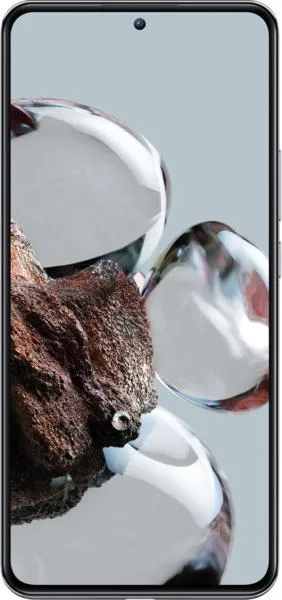
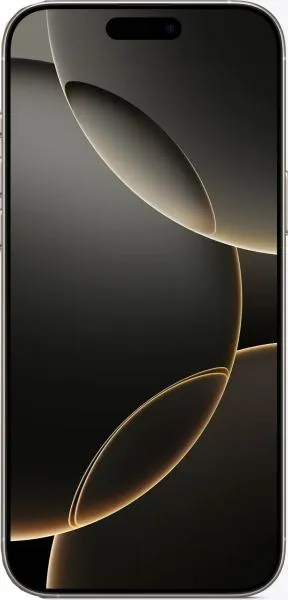
Let's dive into a comprehensive comparison of the Xiaomi 12T and the Apple iPhone 16 Pro Max, dissecting their technical specifications and translating them into real-world implications for you.
1. Specifications Breakdown
| Feature | Xiaomi 12T | Apple iPhone 16 Pro Max | Real-World Implications |
|---|---|---|---|
| Design | |||
| Dimensions (mm) | 163.1 x 75.9 x 8.6 | 163 x 77.6 x 8.3 | 16 Pro Max slightly wider, but thinner. Negligible difference in hand feel. |
| Weight (g) | 202 | 227 | 16 Pro Max noticeably heavier in prolonged use. |
| Build Materials | Glass front/back, aluminum frame | Glass front/back, stainless steel frame | 16 Pro Max potentially more durable due to stainless steel. |
| Display | |||
| Display Type | AMOLED | LTPO Super Retina XDR OLED | Both offer vibrant colors and deep blacks; LTPO allows for dynamic refresh rate, saving battery. |
| Display Size (inches) | 6.67 | 6.9 | 16 Pro Max offers a larger screen for immersive content. |
| Resolution | 1220 x 2712 | 1320 x 2868 | Both are sharp; 16 Pro Max slightly sharper due to higher pixel density. |
| Refresh Rate (Hz) | 120 | 120 | Both offer smooth scrolling and animations. |
| Peak Brightness (nits) | 900 (peak) | 2000 (HBM) | 16 Pro Max significantly brighter outdoors. |
| Performance | |||
| Chipset | Mediatek Dimensity 8100 Ultra | Apple A18 Pro | A18 Pro expected to significantly outperform Dimensity 8100 Ultra in benchmarks and demanding tasks. |
| CPU | Octa-core (4x2.85 GHz Cortex-A78 & 4x2.0 GHz Cortex-A55) | Hexa-core (2x4.05 GHz + 4x2.42 GHz) | A18 Pro's architecture and higher clock speeds likely result in faster processing. |
| GPU | Mali-G610 MC6 | Apple GPU (6-core) | Apple's custom GPU typically leads in graphics performance, beneficial for gaming and video editing. |
| RAM (GB) | 8 | 8 | Sufficient RAM for multitasking on both devices. |
| Camera | |||
| Main Camera (MP) | 108 | 48 | Megapixels don't tell the whole story; sensor size and processing are crucial. Expect superior image quality from the 16 Pro Max despite lower MP count. |
| DxOMark Score | 115 | 157 | Significantly higher DxOMark score indicates superior overall camera performance on the 16 Pro Max. |
| Video Recording | 4K@30fps with HDR | 4K@120fps with HDR, Dolby Vision | 16 Pro Max offers higher frame rates and Dolby Vision recording for professional-grade video. |
| Battery Life | |||
| Battery Capacity (mAh) | 5000 | 4685 | While the 12T has a larger battery, Apple's optimization could result in comparable or even better battery life on the 16 Pro Max. |
| Charging | 120W Fast Charging | Fast Charging (specs not provided) | 12T boasts incredibly fast wired charging; 16 Pro Max charging speeds unknown but likely slower. |
2. Key Insights
- Performance: The iPhone 16 Pro Max, with its A18 Pro chip, will likely deliver a significant performance advantage over the Xiaomi 12T. This translates to smoother multitasking, faster app loading, and superior gaming capabilities.
- Camera: While the Xiaomi 12T boasts a 108MP main sensor, the iPhone 16 Pro Max is expected to produce superior image quality overall, particularly in low-light conditions and video recording, thanks to its advanced sensor technology, computational photography, and Dolby Vision support. The significantly higher DxOMark score confirms this expectation.
- Display: Both phones feature excellent displays. However, the iPhone 16 Pro Max's LTPO panel enables dynamic refresh rate adjustment, optimizing battery life. Its higher peak brightness will make it more usable in direct sunlight.
- Battery Life: This is a closer contest. The Xiaomi 12T has a larger battery capacity, but Apple's silicon and software optimization are renowned. Real-world battery life will likely depend heavily on individual usage patterns. The 12T's 120W fast charging is a significant advantage for quickly topping up the battery.
- Software and Ecosystem: The iPhone runs on iOS, known for its simplicity and seamless integration with other Apple devices. The Xiaomi 12T runs on Android, offering more customization options and flexibility.
3. User Profiles and Recommendations
- Xiaomi 12T: Best suited for budget-conscious users who prioritize fast charging, a large AMOLED display, and solid performance for everyday tasks. Gamers on a budget will also find its performance adequate for many titles.
- Apple iPhone 16 Pro Max: Ideal for users who demand the absolute best performance, camera quality, and seamless integration within the Apple ecosystem. Professionals who rely on their phones for demanding tasks like video editing or photography will appreciate its capabilities.
4. Buying Decision Framework
- What is your budget? The Xiaomi 12T offers excellent value for its price, while the iPhone 16 Pro Max sits at the premium end of the market.
- What are your performance needs? For demanding tasks and gaming, the iPhone 16 Pro Max will likely provide a superior experience. For everyday use, the Xiaomi 12T is more than sufficient.
- Which operating system do you prefer? iOS offers simplicity and a tightly controlled ecosystem, while Android offers more customization.
My Choice: If budget were no object, I'd choose the iPhone 16 Pro Max. As a tech journalist, I need a device with top-tier performance, a reliable camera for capturing events, and a long-lasting battery. The A18 Pro chip, the advanced camera system with Dolby Vision recording, and the expected battery optimization make the 16 Pro Max the better tool for my needs. While I appreciate the Xiaomi 12T's value proposition and incredibly fast charging, the 16 Pro Max's overall performance and camera prowess are decisive factors for me.
