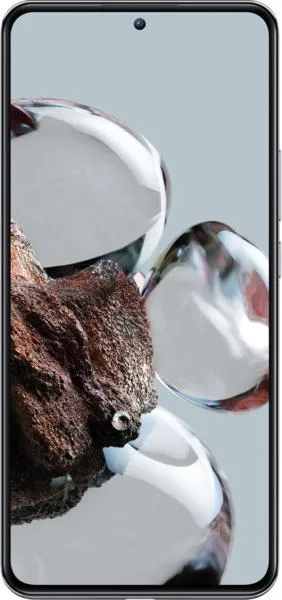
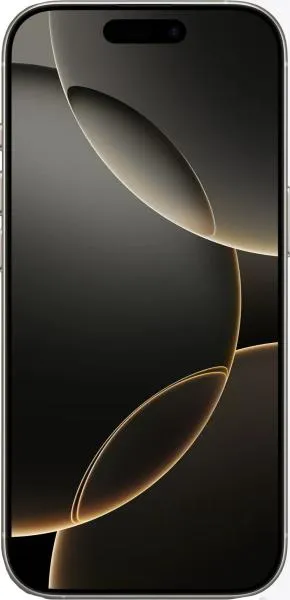
Xiaomi 12T vs. Apple iPhone 16 Pro: A Deep Dive for the Discerning User
The smartphone landscape is a battlefield of specs and features, and choosing the right device can feel overwhelming. Today, we'll dissect two contenders – the Xiaomi 12T and the Apple iPhone 16 Pro – cutting through the marketing jargon to uncover what truly matters: real-world performance and user experience.
1. Specifications Breakdown
| Feature | Xiaomi 12T | Apple iPhone 16 Pro | Real-World Implications |
|---|---|---|---|
| Design | |||
| Dimensions (mm) | 163.1 x 75.9 x 8.6 | 149.6 x 71.5 x 8.3 | iPhone 16 Pro is noticeably smaller and slightly thinner, improving one-handed use. |
| Weight (g) | 202 | 199 | Negligible weight difference. |
| Build Materials | Glass front/back, plastic frame | Glass front/stainless steel frame | iPhone 16 Pro's stainless steel frame offers greater durability and a premium feel. |
| Display | |||
| Size (inches) | 6.67 | 6.3 | Xiaomi 12T offers a larger screen for more immersive media consumption. |
| Resolution (px) | 1220 x 2712 | 1206 x 2622 | Both displays are sharp; Xiaomi 12T is slightly taller and more pixel-dense. |
| Refresh Rate (Hz) | 120 | 120 | Both offer smooth scrolling and animations. |
| Panel Type | AMOLED | LTPO OLED | iPhone's LTPO panel allows for dynamic refresh rate adjustment, saving battery. |
| Peak Brightness (nits) | 900 (peak) | 2000 (peak) | iPhone 16 Pro offers significantly higher peak brightness for better outdoor visibility. |
| Performance | |||
| Chipset | Dimensity 8100 Ultra | Apple A18 Pro | A18 Pro is expected to significantly outperform the Dimensity 8100 Ultra in benchmarks and demanding tasks. |
| CPU | Octa-core (2.85 GHz) | Hexa-core (4.05 GHz) | A18 Pro's higher clock speeds suggest superior single-core performance. |
| GPU | Mali-G610 MC6 | Apple GPU (6-core) | Apple's custom GPU typically delivers leading graphics performance. |
| RAM (GB) | 8 | 8 | Both have ample RAM for multitasking. |
| Camera | |||
| Main Camera (MP) | 108 | 48 | Xiaomi 12T boasts higher megapixels, but sensor size and processing play a crucial role in image quality. |
| Ultrawide (MP) | 8 | 48 | iPhone 16 Pro's ultrawide likely offers superior resolution and detail. |
| Telephoto (MP) | N/A | 12 | iPhone 16 Pro includes a dedicated telephoto lens for optical zoom. |
| Battery Life | |||
| Capacity (mAh) | 5000 | 3582 | Xiaomi 12T has a significantly larger battery, potentially leading to longer usage time. |
2. Key Insights
- Performance: The iPhone 16 Pro, with its cutting-edge A18 Pro chip, is poised to deliver a significant performance advantage, especially in demanding tasks and gaming. The Xiaomi 12T, while capable, targets a different user with its focus on efficiency and value.
- Display: Both phones offer excellent displays. The Xiaomi 12T's larger screen is ideal for media consumption, while the iPhone 16 Pro's LTPO panel and higher peak brightness provide better power efficiency and outdoor visibility.
- Camera: While megapixel counts differ, real-world image quality will depend on factors beyond resolution. Apple's computational photography prowess and the iPhone 16 Pro's advanced sensor technology could provide an edge in overall image quality and versatility. Xiaomi's 108MP sensor could potentially capture more detail in ideal lighting conditions.
- Battery: The Xiaomi 12T's larger battery capacity suggests longer endurance. However, the iPhone 16 Pro's power-efficient A18 Pro chip and LTPO display could narrow the gap in real-world usage.
3. User Profiles and Recommendations
- Xiaomi 12T: Best suited for budget-conscious users who prioritize a large display, long battery life, and solid performance for everyday tasks. Excellent for media consumption, social media, and casual gaming.
- Apple iPhone 16 Pro: Ideal for power users, photographers, and videographers who demand top-tier performance, a premium design, and the latest advancements in mobile technology.
4. Buying Decision Framework
- What is your budget? The Xiaomi 12T offers excellent value, while the iPhone 16 Pro commands a premium price.
- What are your performance needs? If you need the absolute best performance for demanding applications, the iPhone 16 Pro is the clear winner. For everyday tasks, the Xiaomi 12T is more than sufficient.
- What features are most important to you? Prioritize a large display and battery life? Choose the Xiaomi 12T. Value a more compact design, advanced camera features, and a seamless ecosystem? The iPhone 16 Pro is the better choice.
My Choice: As a tech journalist who values performance and a refined user experience, I would choose the iPhone 16 Pro. While the Xiaomi 12T offers compelling value, the iPhone 16 Pro's superior performance, advanced camera system, and the tightly integrated iOS ecosystem are more aligned with my needs. The potential for higher quality photos and videos, coupled with the smooth performance provided by the A18 Pro chip, outweighs the benefits of the Xiaomi 12T's larger battery and lower price for my specific use case. The iPhone 16 Pro's stainless steel frame also offers a more premium and durable feel, which I appreciate.
