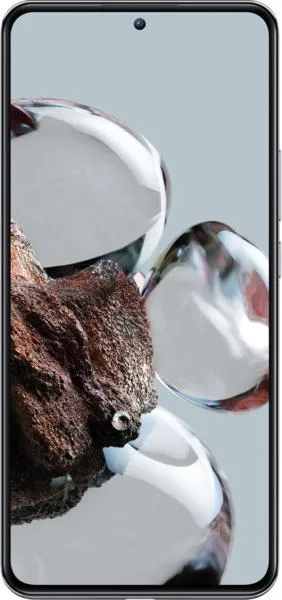
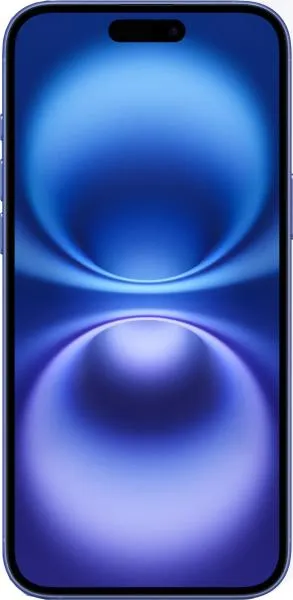
Xiaomi 12T vs. Apple iPhone 16 Plus: A Deep Dive for the Discerning Smartphone User
Hello fellow tech explorers! Today, we're diving deep into a compelling comparison: the Xiaomi 12T versus the Apple iPhone 16 Plus. Both phones occupy the "medium price" range, but cater to different needs and priorities. Let's dissect their specs and uncover what truly sets them apart.
1. Specifications Breakdown
| Feature | Xiaomi 12T | Apple iPhone 16 Plus | Real-World Implications |
|---|---|---|---|
| Design | |||
| Dimensions (mm) | 163.1 x 75.9 x 8.6 | 160.9 x 77.8 x 7.8 | iPhone 16 Plus slightly shorter and thinner. Negligible difference in daily use. |
| Weight (g) | 202 | 199 | Xiaomi marginally heavier, but unlikely to be noticeable. |
| Display | |||
| Type | AMOLED, 120Hz | Super Retina XDR OLED | Both offer vibrant colors and deep blacks. 120Hz on Xiaomi provides smoother scrolling and animations. |
| Size (inches) | 6.67 | 6.7 | Virtually identical screen real estate. |
| Resolution (px) | 1220 x 2712 | 1290 x 2796 | Both sharp and detailed; iPhone slightly higher resolution, but difference is imperceptible. |
| Peak Brightness | 900 nits (peak) | 2000 nits (HBM) | iPhone significantly brighter outdoors. |
| Performance | |||
| Chipset | MediaTek Dimensity 8100 Ultra (5 nm) | Apple A18 (3 nm) | A18 expected to deliver significantly better CPU and GPU performance. |
| CPU | Octa-core (4x2.85 GHz & 4x2.0 GHz) | Hexa-core (2x4.04 GHz + 4x2.20 GHz) | A18's higher clock speeds suggest superior multi-core performance. |
| RAM | 8GB | 8GB | Comparable RAM, but iOS optimizes memory usage differently. |
| Camera | |||
| Main Sensor | 108MP, Samsung HM6 | 48MP, Sony IMX904 | Megapixels don't tell the whole story; image processing crucial. Expect iPhone to excel in low light. |
| Video | 4K@30fps with HDR | 4K@60fps with HDR, Dolby Vision | iPhone offers higher resolution and frame rate video recording with Dolby Vision for enhanced dynamics. |
| Battery Life | |||
| Capacity (mAh) | 5000 | 4674 | Xiaomi has a larger battery, suggesting potentially longer battery life. |
2. Key Insights
- Performance Powerhouse: The iPhone 16 Plus, with its A18 chip, will likely dominate in raw performance, especially in demanding tasks like gaming and video editing.
- Smooth Operator: Xiaomi 12T's 120Hz display delivers a noticeably smoother user experience for everyday tasks like scrolling and browsing.
- Visual Feast: While both displays are excellent, the iPhone's superior peak brightness ensures exceptional outdoor visibility.
- Camera Prowess: iPhone traditionally excels in camera performance, particularly in challenging lighting conditions. While the Xiaomi boasts a higher megapixel count, Apple's computational photography usually delivers superior results.
- Battery Endurance: The Xiaomi's larger battery capacity suggests a potential advantage in longevity, but real-world usage will vary.
3. User Profiles and Recommendations
- Xiaomi 12T: Ideal for users prioritizing a smooth display, potentially longer battery life, and a more affordable price point. Suitable for media consumption, social media, and everyday tasks.
- iPhone 16 Plus: Best suited for users demanding top-tier performance, a vibrant display with excellent outdoor visibility, and a premium camera experience. Ideal for power users, gamers, and content creators.
4. Buying Decision Framework
- What is your budget? The Xiaomi 12T offers excellent value for its price, while the iPhone commands a premium.
- What are your performance needs? For demanding tasks, the iPhone 16 Plus is the clear winner. For everyday use, the Xiaomi's performance is more than adequate.
- Which ecosystem do you prefer? Consider your existing devices and services when choosing between Android and iOS.
My Choice: The iPhone 16 Plus
While the Xiaomi 12T offers a compelling package, I would personally choose the iPhone 16 Plus. The A18 chip's expected performance leap, coupled with Apple's consistent excellence in camera quality and software optimization, make it a more future-proof investment for my needs. I prioritize a device that can handle demanding tasks with ease and capture stunning photos and videos. While the higher price tag is a factor, the long-term value proposition of the iPhone 16 Plus aligns better with my usage patterns.
